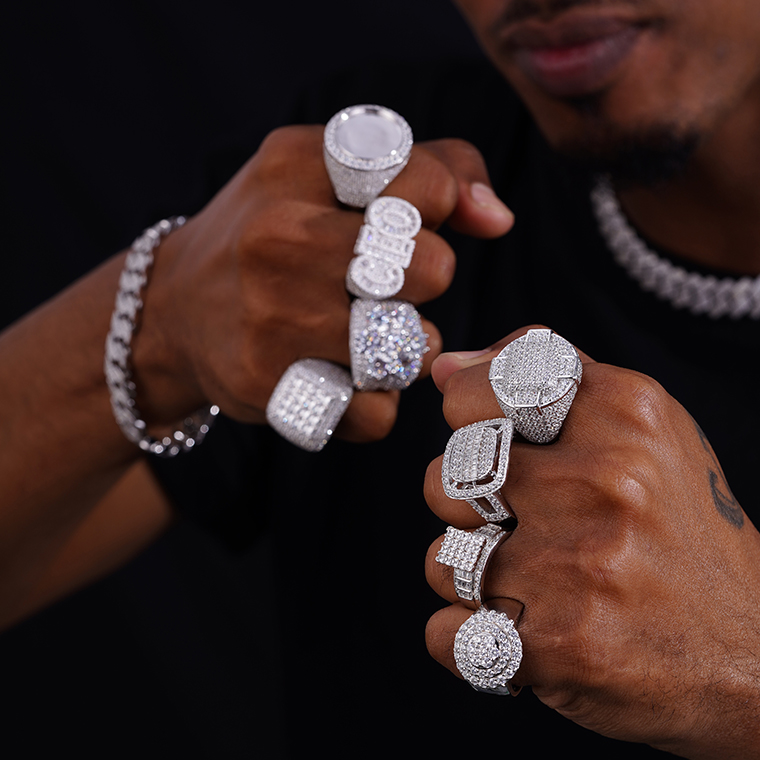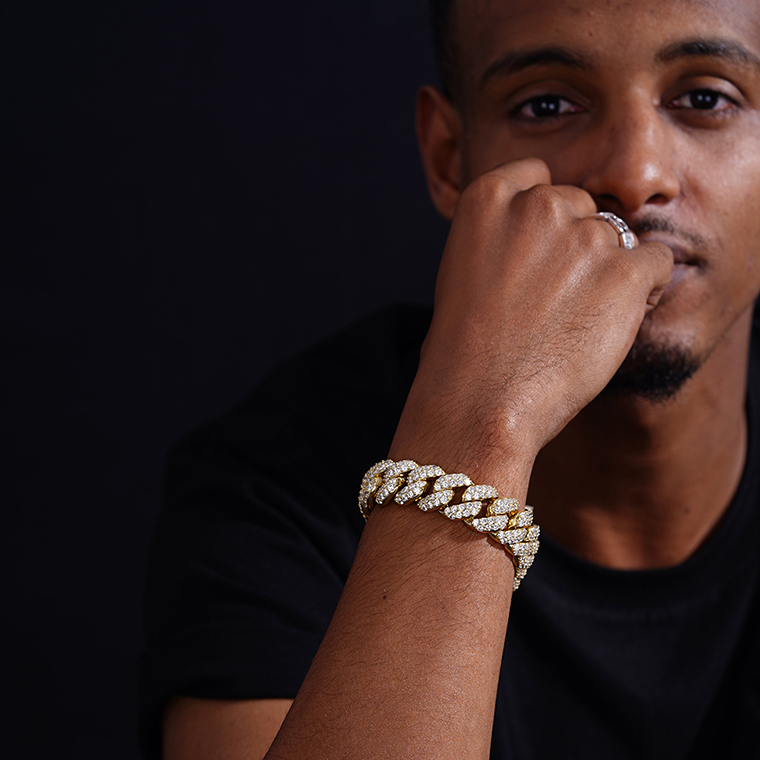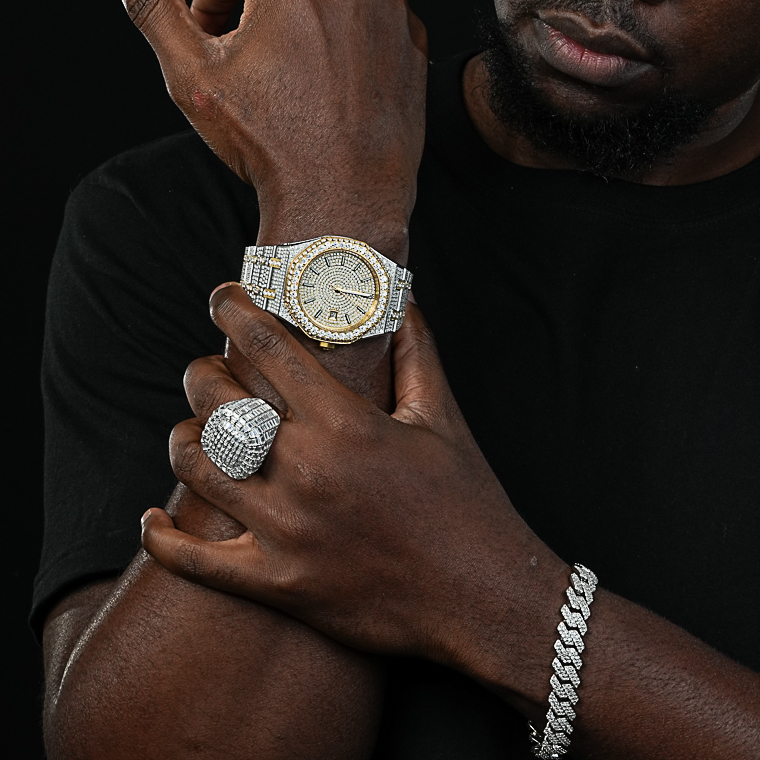





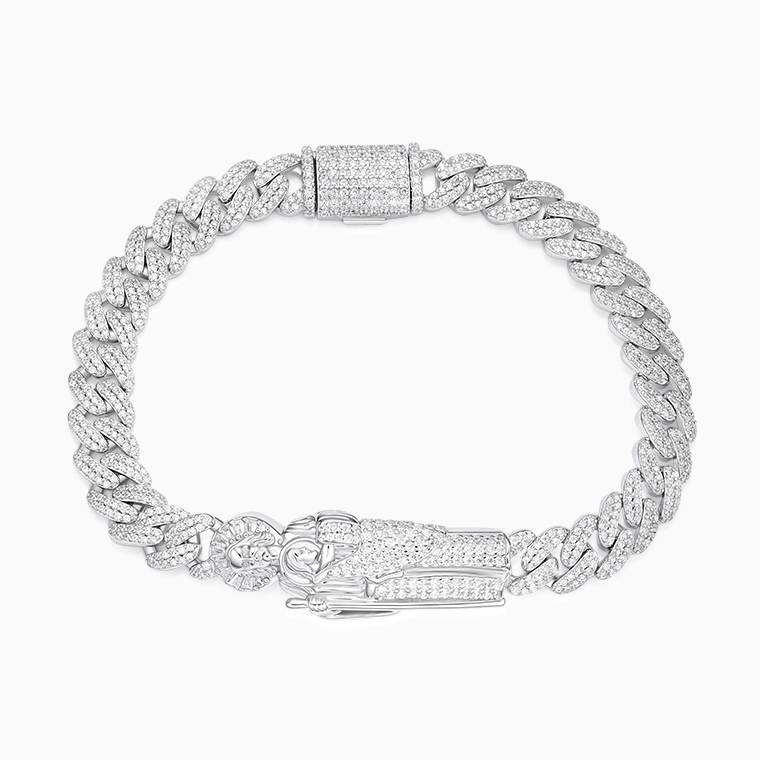
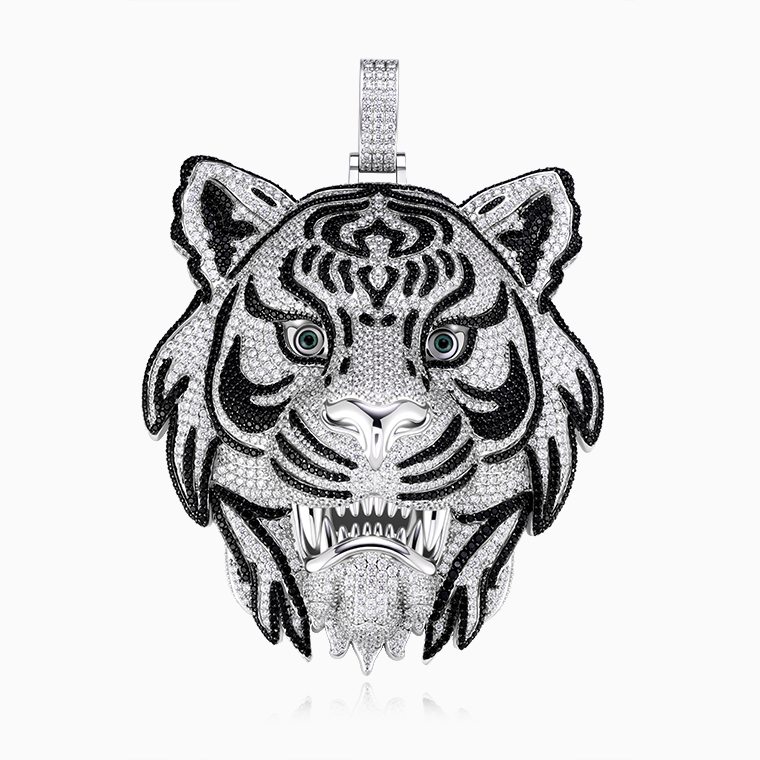

A manufacturer may be able to adjust the product’s shape, dimensions, metal, stones, finish, chain connection, packaging, and presentation materials. The quality of the final result depends on how these choices work together.
For brands, wholesalers, online jewelry stores, and streetwear companies, understanding what can be customized makes the development process more productive. It also helps buyers prepare a clearer brief and compare quotations more accurately.
Shining Star Jewelry supports custom hip hop jewelry projects through design development, CAD modeling, wax printing, sampling, stone setting, polishing, plating, quality inspection, packaging, and wholesale production coordination.
Custom Jewelry Starts with the Design Concept
A custom project can begin with many different types of references:- a finished CAD file;
- a hand-drawn sketch;
- a brand logo;
- a character illustration;
- a product photograph;
- a mood board;
- an existing piece that needs modification;
- or a short written description.
A logo that works on clothing may need adjustments when it becomes a pendant. Thin lines need enough metal to survive production. Small enclosed spaces may need to be opened slightly so the lettering remains readable. A character illustration may need deeper modeling so its face and features remain recognizable at jewelry scale.
Shining Star’s design team uses professional tools including Rhino, Matrix, JewelCAD, and ZBrush. These tools support both precise jewelry construction and more sculptural development for characters, animals, symbols, and three-dimensional motifs.
The purpose of this stage is not to change the identity of the brand. It is to make the identity work as jewelry.
Shape and Dimensions Can Be Customized
Almost every visible dimension of a hip hop jewelry piece can influence its commercial position.For a pendant, the buyer may customize:
- height and width;
- thickness;
- relief depth;
- outline;
- bail size;
- reverse construction;
- border width;
- stone coverage;
- and the relationship between the pendant and its chain.
A custom hip hop jewelry manufacturer should help the buyer understand how a dimension change affects the rest of the product. Enlarging a pendant may require a stronger bail, revised stone sizes, a different reverse structure, and a new weight calculation.
Shining Star reviews these relationships during CAD development and sample preparation. The buyer can evaluate the design from front, side, and reverse views before approving the physical sample.
Metals and Base Materials Can Be Selected
The base metal is one of the most important customization decisions because it affects weight, cost, product positioning, and customer expectations.Shining Star works with materials including brass and 925 sterling silver for suitable projects. Different metals may be appropriate for different product lines.
Brass can help brands develop bold, visually substantial fashion jewelry at a more accessible production cost. It is often considered for large pendants, statement rings, and decorative chains where the surface finish creates much of the visible effect.
925 sterling silver can support a more premium product position. It may be suitable for custom logo pendants, moissanite pieces, character jewelry, and products where the material itself forms part of the selling story.
The choice should be written clearly in the production specification. A gold-colored product may have a brass or sterling silver base, so the surface appearance alone does not identify the material.
Buyers should ask the manufacturer to separate the base metal, plating color, plating requirements, and protective finish in the quotation.
Stones and Stone Layouts Can Be Customized
Hip hop jewelry often depends on stone coverage for its visual impact. Buyers can customize more than the choice between moissanite and CZ.Possible decisions include:
- stone type;
- stone shape;
- stone size;
- stone color;
- stone grade;
- total coverage;
- center-stone placement;
- border stones;
- polished areas;
- and the relationship between large and small stones.
The design also needs a practical stone map. Full coverage may look attractive in a rendering but reduce the readability of a logo or character. Selective stone placement can preserve important details while still creating a strong iced-out appearance.
Shining Star’s team can review stone placement during CAD development. Stone seats, prongs, metal borders, and polishing access need to be considered together before sampling.
Surface Finishes and Colors Can Be Changed
The same jewelry shape can create a different product impression through surface treatment.Common customization options may include:
- yellow gold color;
- white or silver color;
- rose gold color;
- polished metal;
- matte or brushed sections;
- contrast areas;
- engraving;
- enamel;
- and protective coatings.
The buyer should provide a reference for the desired finish rather than relying only on a color name. “Gold” does not fully describe the tone, surface quality, or plating standard.
For repeat orders, the approved sample and finish reference should be retained. This makes it easier to compare a future batch with the original product.
Logos, Names, and Lettering Can Be Developed
Custom lettering is one of the most common requests in hip hop jewelry.A brand may want its logo on a pendant, ring, bracelet clasp, chain plate, or earring. A retailer may need nameplate jewelry. A music or streetwear business may want a recognizable wordmark as part of a merchandise collection.
Lettering needs to be reviewed at the intended finished size. A typeface that looks clear on a large screen may become difficult to read on a small ring or earring.
The manufacturer may need to adjust stroke width, spacing, relief height, or enclosed areas while preserving the overall identity.
Shining Star’s modeling capabilities support this type of development. Buyers can review multiple CAD views and then evaluate the lettering on a physical wax or resin model before metal production.
Chains, Bails, Clasps, and Connections Can Be Customized
A pendant should be developed with its chain.The bail opening must fit the chain body and end fitting. Its position affects the pendant’s hanging angle. A larger pendant may need a stronger connection. A chain’s link width, clasp, length, and flexibility all influence how the completed product looks and feels.
Buyers can also customize:
- Cuban chain width;
- tennis chain stone size;
- link shape;
- chain length;
- clasp type;
- safety features;
- pendant bail;
- connector plates;
- and matching bracelet or earring components.
Shining Star can evaluate these connections as part of the design and sample process.
Packaging and Product Presentation Can Be Customized
Customization may continue after the jewelry is finished.Brands can discuss packaging formats, logo placement, inserts, boxes, pouches, labels, and product presentation requirements. The packaging should protect the item while supporting the way the brand sells it.
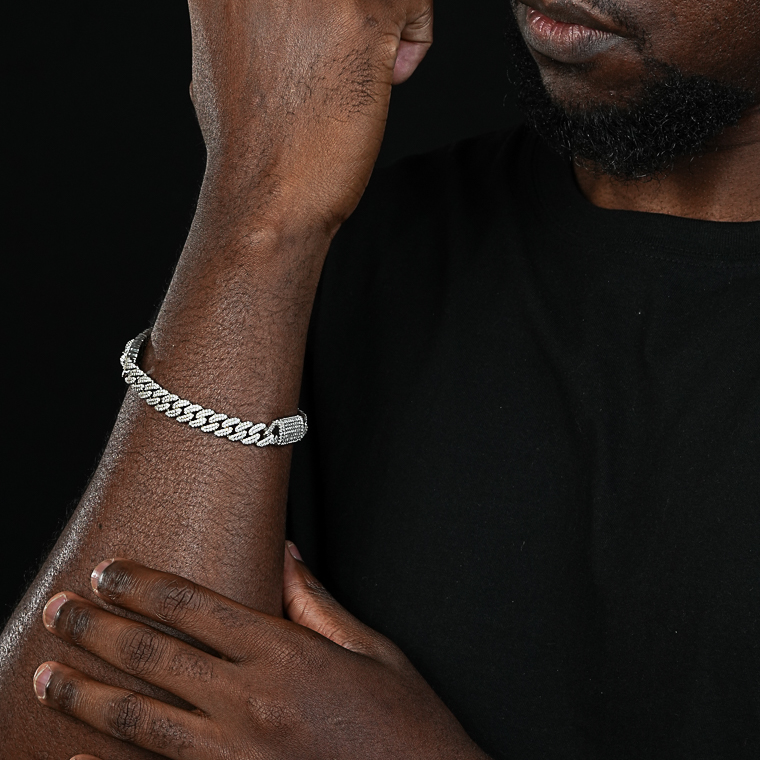
Ecommerce sellers may also need professional product content. Shining Star can provide product images and videos for selected products, including white background images and model-style photographs. These assets help online sellers show the jewelry from the front, side, reverse, and worn perspective.
For a new brand, photography support can reduce the work required to prepare product listings and wholesale presentations.
Quality Requirements Should Be Customized Too
Different jewelry products require different inspection priorities.A custom ring may need attention to size, interior finishing, stone security, and edges. A bracelet may require checks on link movement, clasp operation, weight, and tensile performance. A pendant may require review of the bail, balance, reverse construction, and stone layout.
Shining Star’s company materials describe inspection resources including material composition analysis, plating-thickness measurement, tensile testing, salt-spray testing, and stone-setting security testing.
The buyer should agree on which checks apply to the actual product. Quality expectations should be connected to measurable specifications, sample references, and acceptable tolerances.
What Buyers Should Send for a Custom Quote
A useful inquiry does not need to be complicated, but it should contain enough information for the manufacturer to understand the project.Send:
- reference images or design files;
- intended product type;
- approximate dimensions;
- preferred metal;
- stone preference;
- finish or color;
- chain or clasp requirements;
- expected quantity;
- packaging needs;
- target market;
- and desired launch date.
A clear brief helps separate design development, sample costs, production pricing, packaging, and shipping.
Developing Custom Hip Hop Jewelry with Shining Star
A professional hip hop jewelry manufacturer can customize much more than the logo. The complete product can be developed around a brand’s audience, price position, visual identity, wearing requirements, and sales channel.Shining Star Jewelry supports brands and wholesalers from the first design discussion through CAD, wax printing, sampling, stone setting, polishing, plating, quality inspection, packaging, product photography, and wholesale production.
To start a project, send your reference design, target dimensions, preferred material, stone choice, estimated quantity, and any chain or packaging requirements. The more clearly the product goals are explained, the easier it is to develop a sample that gives the brand a reliable foundation for production.