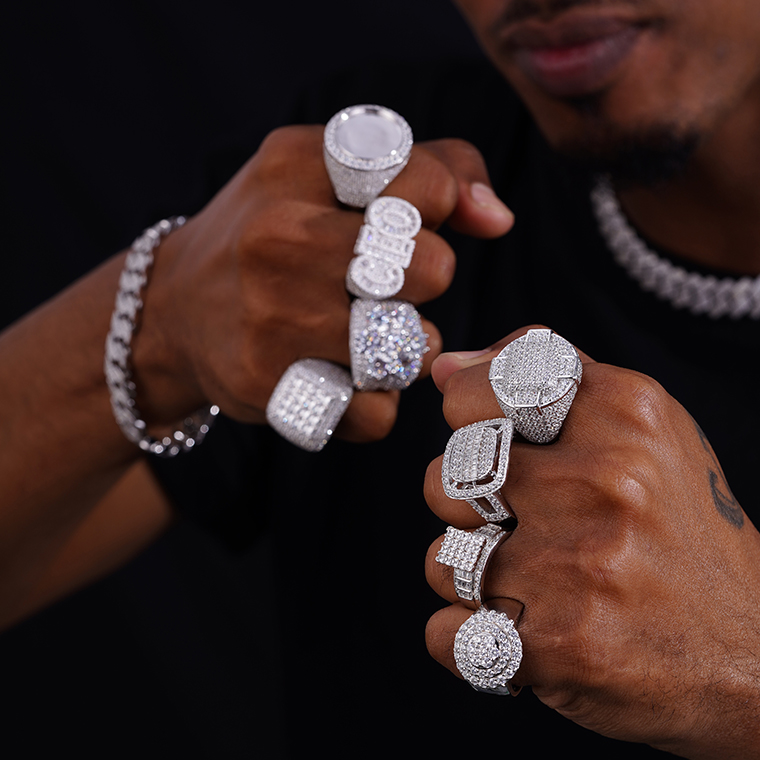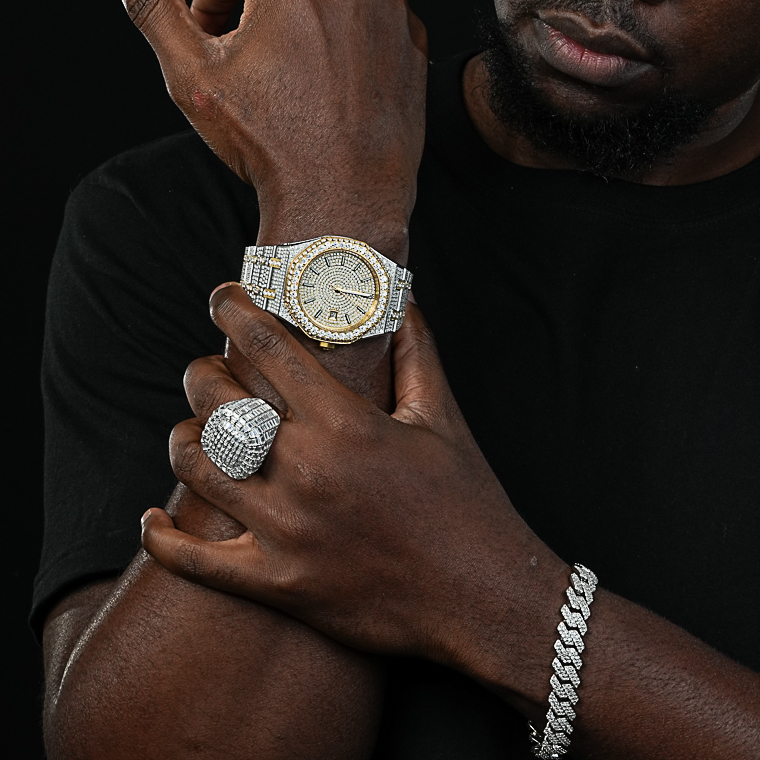






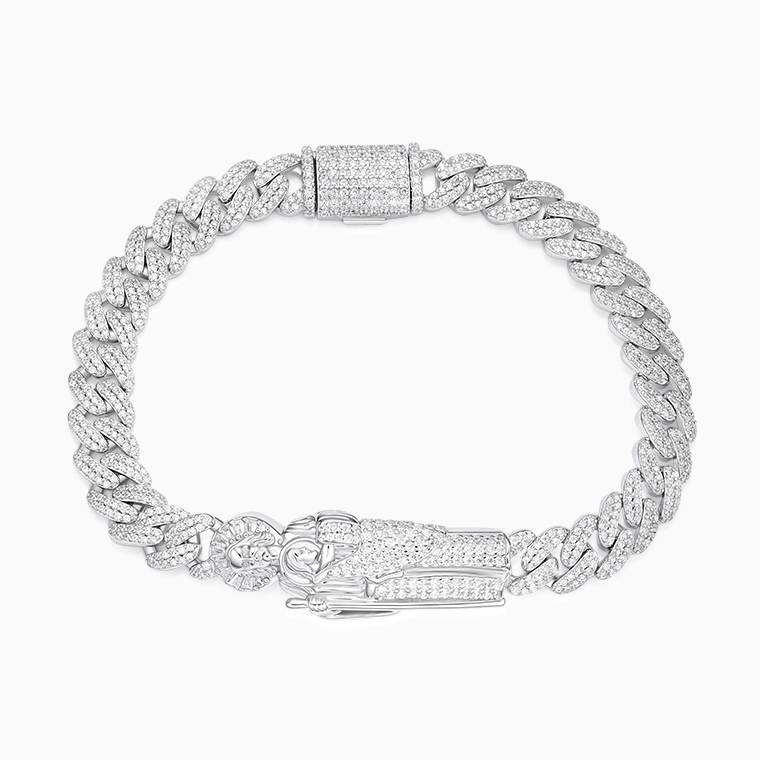
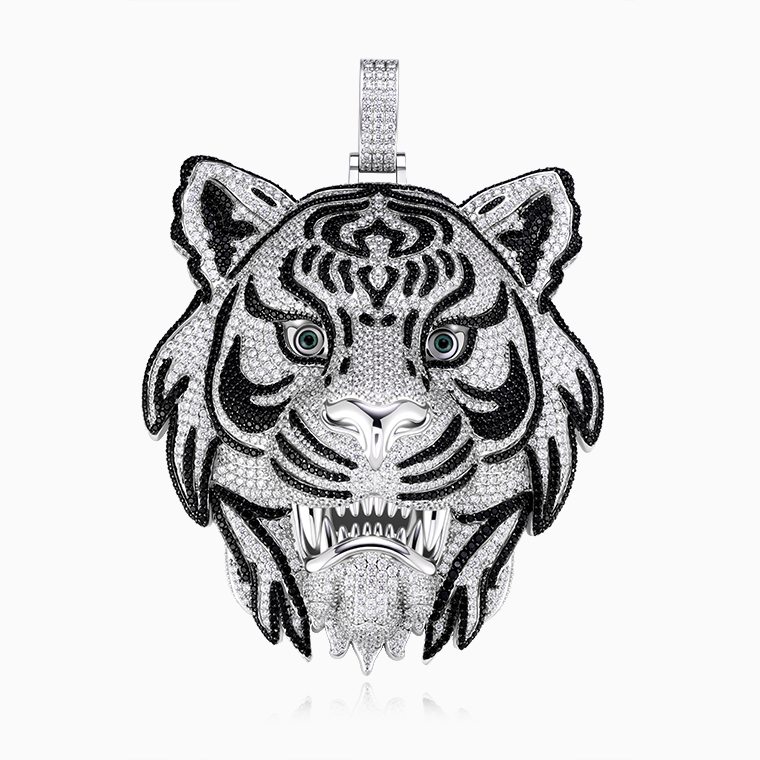

Walk into any hip-hop video, any award show, or any rap artist's dressing room, and one accessory dominates above all others: the chain. Not the watch, not the ring, not the earrings—the chain. From the modest gold ropes of the 1970s to the diamond-encrusted pendants that cost more than most people's homes, the hip-hop chain has evolved into far more than jewelry. It is a language, a trophy, a biography, and a declaration of existence. Understanding why the chain matters so deeply in hip-hop requires looking beyond the sparkle to the stories it tells.
Roots in the Asphalt: Where It All Began
Hip-hop was born in the 1970s in the Bronx, forged in communities that had been systematically denied access to traditional pathways of wealth and recognition. For young Black and Latino kids growing up in poverty, gold chains became something transformative: a visible, wearable form of self-definition—a way to translate success into something tangible and public. The jewelry said what the world refused to see: I matter. I have value.
In 1980, Kurtis Blow appeared on the cover of his self-titled debut album wearing six layered gold chains, officially cementing the bond between hip-hop and jewelry. That image was a turning point. What had been a niche accessory became a visual manifesto. As the genre grew, so did the chains—heavier, bolder, more intricate. The "dookie" rope chains of the 1980s, popularized by Run-DMC and LL Cool J, were not just fashion statements; they were symbols of power—ostentatious luxury and success in the face of Reagan-era racial conservatism.
A Trophy Around the Neck
Perhaps the most obvious reason chains matter is that they are physical proof of victory. Many hip-hop artists emerged from backgrounds where financial security was a distant dream. A chain became the equivalent of a championship ring—a trophy worn around the neck that announced, "I made it out".
Rapper Slick Rick, one of hip-hop's most iconic jewelry enthusiasts, captured this sentiment perfectly when he wrote: "My jewels are my superhero suits, an extension of my beautiful brown skin. It's a gift from ancestors who sat on thrones and reigned with rings and rocks the size of ice cubes". He recalled spotting a huge Libra pendant in a Canal Street jewelry store window in the mid-1980s and coveting it for nine months until he could walk in and pay cash. That pendant wasn't just gold—it was proof of patience, hard work, and triumph against the odds.
The more records sold, the bigger the jewels got. Success became measurable in carats. When T-Pain dropped nearly half a million dollars on his infamous "Big Ass Chain"—weighing over ten pounds and set with nearly 200 carats of diamonds—he was participating in a ritual as old as hip-hop itself: wearing your success around your neck for the world to see. (He later called it his biggest regret, but even regret couldn't erase the statement it made.)
Identity Carved in Gold
But chains are not just about money. They are about who you are. Roc Nation executive Lenny S. explained it simply: "The chain usually represents you or your neighborhood or your crew. So [chains] are investments... 'Look, this is me, this is what represents me, this represents my team, my neighborhood, my block'".
Nameplate necklaces exploded in popularity in the early 1990s among Black and Latino youth culture as assertions of pride, identity, and individuality. Lil' Kim was rarely seen without her diamond "LIL' KIM" nameplate, while Usher has kept his signature "U" pendant for decades—a constant reminder of who he is. These chains say your name out loud in a language everyone understands.
Chains also declare allegiance. The Roc-A-Fella chain, the G-Unit chain, the Death Row chain—these weren't just accessories; they were membership cards. Wearing one told the world which team you rode for. It was branding before branding was cool, a visual shorthand for loyalty and brotherhood.
Storytelling in Platinum
Every great chain tells a story. Pharrell Williams' extravagant N.E.R.D. chain was a visual representation of where he was in his career. Public Enemy's leather medallion featuring a Black man caught in a gun's crosshairs raised awareness about police brutality. Nicki Minaj's 18-karat white gold Barbie pendant, fully encrusted with diamonds and pink enamel, was a celebration of her persona.
Some chains commemorate loss or pay homage to faith. The Jesus piece—an iconic gold or diamond pendant depicting the head of Christ—originated as an emblem of Christianity before becoming one of hip-hop's most beloved motifs. Notorious B.I.G. rapped about his yellow gold Jesus piece in his 1997 hit "Hypnotize". These pieces are talismans, protectors, and connectors to something greater than the material world.
As Vikki Tobak, author of Ice Cold: A Hip-Hop Jewelry History, observed, hip-hop developed "its very own jewelry language" that incorporated remixing, customization, and the pursuit of having something nobody else has. "All of that, hip-hop did bigger and better than anyone," she said.
Beyond the Music: A Cultural and Commercial Force
The importance of hip-hop chains has transcended music to become a cultural and economic phenomenon. The American Museum of Natural History mounted "Ice Cold: An Exhibition of Hip-Hop Jewelry," featuring 68 legendary pieces that trace five decades of the genre's history. The exhibit positioned these chains alongside dinosaur fossils and ancient gems, noting that "adopting signifiers to flaunt one's wealth has been happening since the Etruscans".
Commercially, hip-hop jewelry has become a multi-million-dollar industry. As hip-hop's commercial reach grew, chains moved from personal expression to marketing tool—brand marks that signaled not just an artist's success but their marketability. Today, major luxury jewelry houses have embraced the aesthetic that hip-hop pioneered. What was once dismissed as gaudy or vulgar is now celebrated as art.
So why does the hip-hop chain matter so much? Because it carries the weight of history. It carries the weight of ancestors who wore gold as kings and queens. It carries the weight of communities that were told they would never amount to anything. It carries the weight of struggle, survival, and triumph.
"When it comes specifically to hip-hop culture and Black culture, it takes on all these additional layers," Tobak explained. Those layers include ancestry, identity, resilience, and an unshakeable belief in self-worth.
As Slick Rick put it: "Jewellery speaks silently but screams personality. Displaying our opulence affirms the traditions and wealth of our culture".
The chain around a rapper's neck is never just a chain. It is a biography written in gold and diamonds. It is a middle finger to every system that said they wouldn't succeed. It is a love letter to the neighborhood that raised them. And it is a promise to the next generation: You can have this too.
That is why the hip-hop chain matters. Not because it sparkles—but because it speaks.