






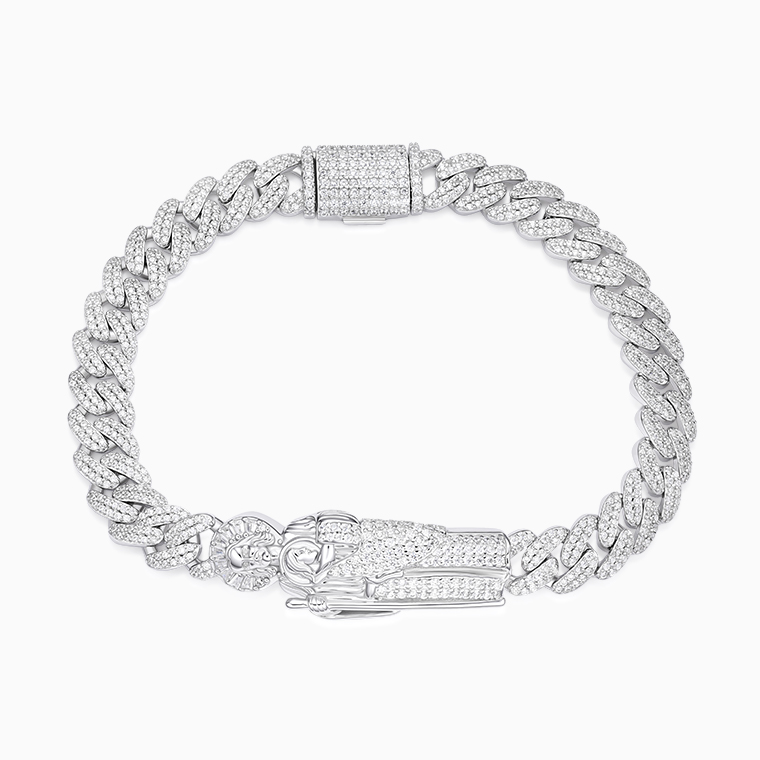

Your 22-inch silver-tone Cuban link chain is sold out. The 20-inch version is moving slowly, and you still have a dozen 24-inch chains on the shelf. The product page shows inventory, but the version shoppers keep asking for is gone. Ordering another mixed pack in the same proportions could bring back the 22-inch chain while leaving you with even more stock in the lengths customers have been passing over.
That is the central challenge of wholesale hip-hop jewelry restocking at year-end. You need to know which exact version is worth buying again, how many units can sell before the promotion ends, and whether the supplier can get them to you in time.

Start With Sales by Size and Finish
In the National Retail Federation’s October 2026 holiday survey, conducted by Prosper Insights & Analytics, 64% of consumers said they were likely to wait until Thanksgiving weekend to do most of their holiday shopping. That figure describes intended shopping behavior across U.S. retail. For a jewelry seller, it is a reason to review stock immediately after a major promotion and look at which variants customers actually bought.
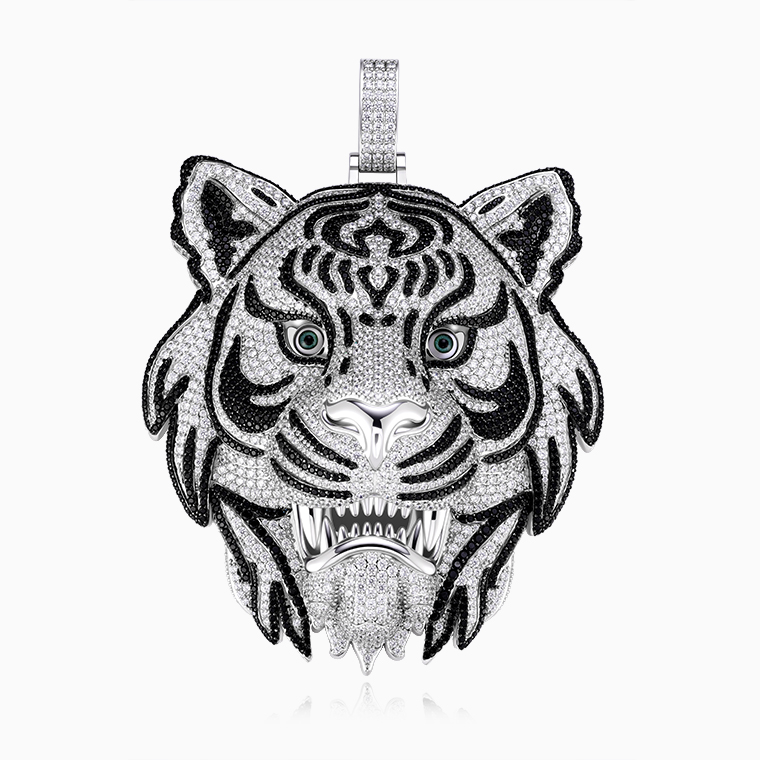
Pull sales and available inventory by individual SKU. For Cuban links, keep width, length, and finish separate. For tennis bracelets, check wrist size alongside the stone and finish. For iced-out pendants, distinguish between versions sold alone and versions bundled with a chain. Two variants that share a product page can require very different reorder quantities.
Count the days each variant was available when you estimate its selling pace. A chain that sold 14 units in seven in-stock days and then sat unavailable for a week averaged two sales per available day. Dividing by all 14 calendar days would make it look as though it sold only one per day. Back-in-stock requests and customer messages can help you judge whether interest continued after the sellout. Compare that evidence with your regular sales pace before carrying a promotional spike into the next forecast.
Reorder the Variant That Ran Out
Estimate how many units you expect to sell between the replenishment arrival date and the end of the promotion. Add any small buffer you can reasonably carry into January, then subtract the sellable units and confirmed inbound stock you expect to have when the shipment arrives. Exclude units already promised to customers and returns that still need inspection.
Consider this illustrative example for an 8 mm silver-tone Cuban chain. The retailer expects 10 selling days after the shipment arrives. The figures below show the calculation and do not represent market averages.
| Chain length | Expected daily sales | Projected sellable stock at arrival | Ten-day demand | Buffer | Suggested reorder |
|---|---|---|---|---|---|
| 20 in. | 0.5 | 7 | 5 | 0 | 0 |
| 22 in. | 2.0 | 0 | 20 | 4 | 24 |
| 24 in. | 0.3 | 12 | 3 | 0 | 0 |
Here, the purchase order calls for 24 units of the 22-inch chain. If the supplier offers only an assorted pack, ask whether it can quote that length separately. If the pack is the only option, compare its total cost with the sales you can reasonably expect from the extra lengths after the holidays. A low unit price can still leave you paying for stock you already have enough of.
Confirm Available Stock Before You Promote It
Send the supplier one line per variant. Include the previous order number or supplier SKU, dimensions, base metal, stone type where applicable, finish, and quantity. For a repeat order, check that the clasp, stone layout, and finish match the approved sample or previous shipment. A similar catalog photo gives you little basis for assuming a replacement can go straight onto an existing listing.
Ask the supplier to confirm how many units it can allocate now, when that quantity can ship, and whether the balance requires production. If only part of the order is available, request separate dates for each shipment. Get those answers before bringing a sold-out variant back into email, paid ads, or a gift guide.
Work Backward From the Date You Need Sellable Stock
Set the date the jewelry needs to be available to sell. E-commerce teams need time to receive and inspect the shipment before updating stock online. Stores may also need time to label the pieces and distribute them across locations. Work backward from that date through your receiving time, transport, any applicable customs clearance, and the supplier’s packing or production time.
Keep three dates separate on the order: expected dispatch, estimated delivery, and required in-stock date. If the expected arrival leaves little time before the promotion ends, calculate how many sales faster shipping could realistically recover. Compare the added freight cost with the margin on those sales. A partial shipment of the strongest SKU may make sense when expediting the whole order would cost more than the sales it is likely to save.
The year-end decision comes down to the exact item and the remaining sales window. Replenish the variants customers are still trying to buy, ask for written confirmation of the quantities and dates, and size the order for the days you can actually sell it. If the stock can only arrive after the campaign, assess it against January demand and place the order on that basis.