






These are the details worth looking into before choosing a Cuban Link Chain Manufacturer, especially when the plan is to order more than a handful of pieces.
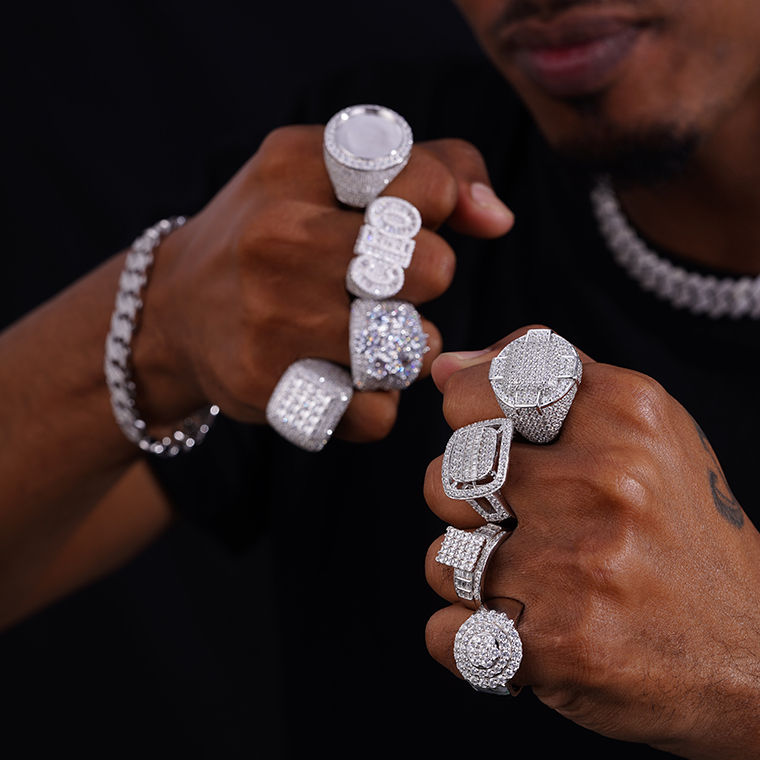
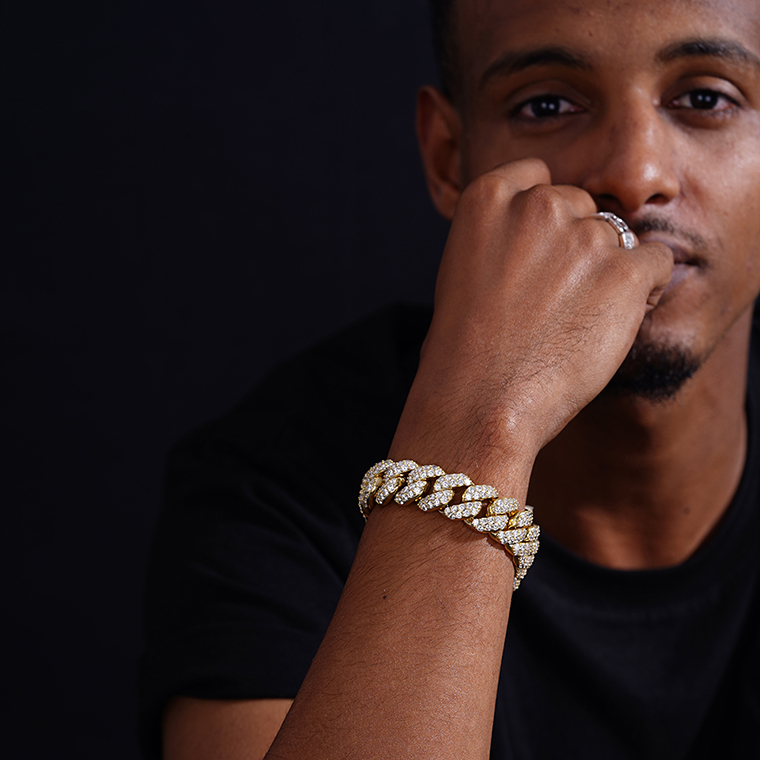
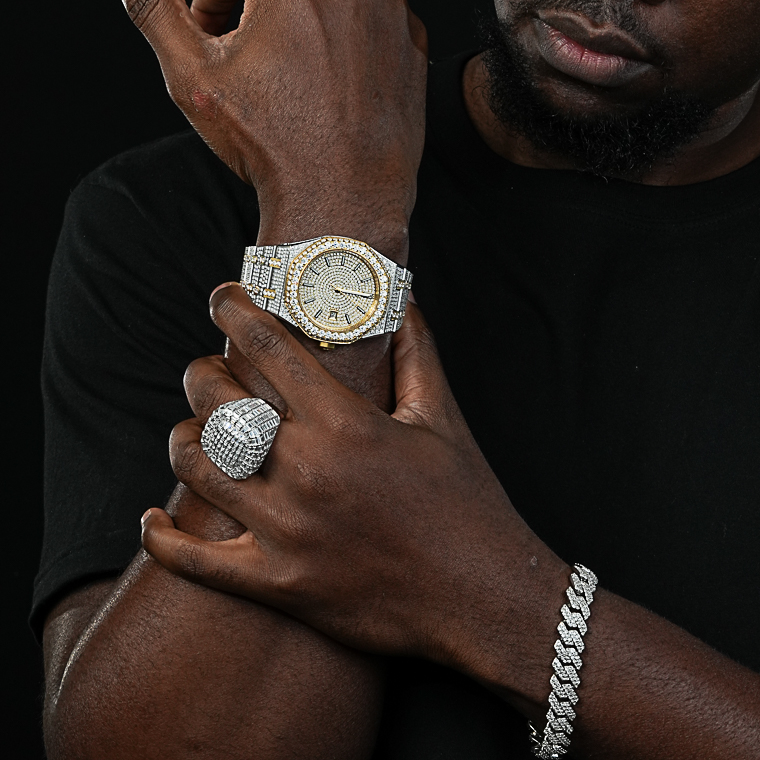
At Shining Star Jewelry, we manufacture hip-hop jewelry for wholesalers, retailers, and jewelry brands. Cuban link chains are part of our product range, including moissanite designs and custom styles.
Some customers know exactly what they want. Others have a photo, a preferred width, and a target price. Both are fine starting points. The important part is working out the construction before the design goes into production.
A Cuban Chain Shouldn't Feel Like a Stiff Metal Strip
The first thing I'd look at on a Cuban chain isn't the shine. It's the way the links move.A Miami Cuban chain gets much of its appearance from the tight arrangement of its interlocking links. That compact look is what many customers want, particularly on heavier men's necklaces.
Getting the links to sit close together without restricting movement takes attention to their shape and dimensions.
A chain can look perfectly straight when it's laid on a table. Pick it up from one end, though, and you might find a short section that refuses to bend as smoothly as the rest.
There are several things that could be causing it. The link dimensions may be slightly different, the clearance between links may be too tight, or the assembly may need closer inspection.
It's also worth looking at the weight.
Customers sometimes describe a chain as heavy-duty when they actually mean they want a fuller appearance. Others really do want the weight.
Those aren't quite the same requirement.
A 12mm chain tells you something about its width, but not enough about the thickness or overall construction to predict how heavy it will feel.
When we're discussing a custom design, these are the details we need to establish. Changing link thickness or construction can affect the weight, cost, flexibility, and appearance of the finished necklace.
The Clasp Is Part of the Product, Not Just a Decoration
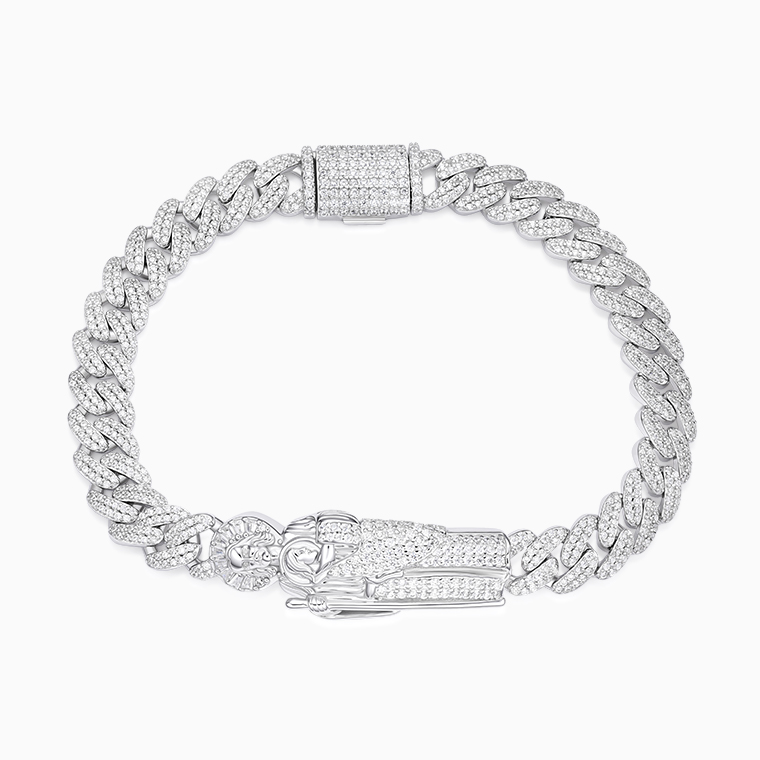
On a product page, the clasp rarely gets the same attention as the chain. But ask someone who's had trouble fastening a heavy necklace, and they'll probably tell you it matters.Some Cuban link designs use box clasps, particularly on wider or stone-set chains.
A box clasp needs to be properly fitted. The locking action should be reliable, and the connection to the necklace needs to suit the weight of the piece.
For iced-out designs, there's also the decorative side to consider. Customers may want stones on the top of the clasp, or a custom shape that matches their logo.
That can make the clasp more complicated than it looks.
There must still be enough room for the working parts. The decorative setting shouldn't get in the way when the clasp opens or closes.
And the point where the clasp connects to the last link deserves a closer look. It's a part of the necklace that gets handled regularly.
We prefer to discuss clasp options while the design is being developed. It's much easier to make adjustments at that stage than after the finished sample has been approved.
What Makes an Iced-Out Cuban Chain More Complicated?
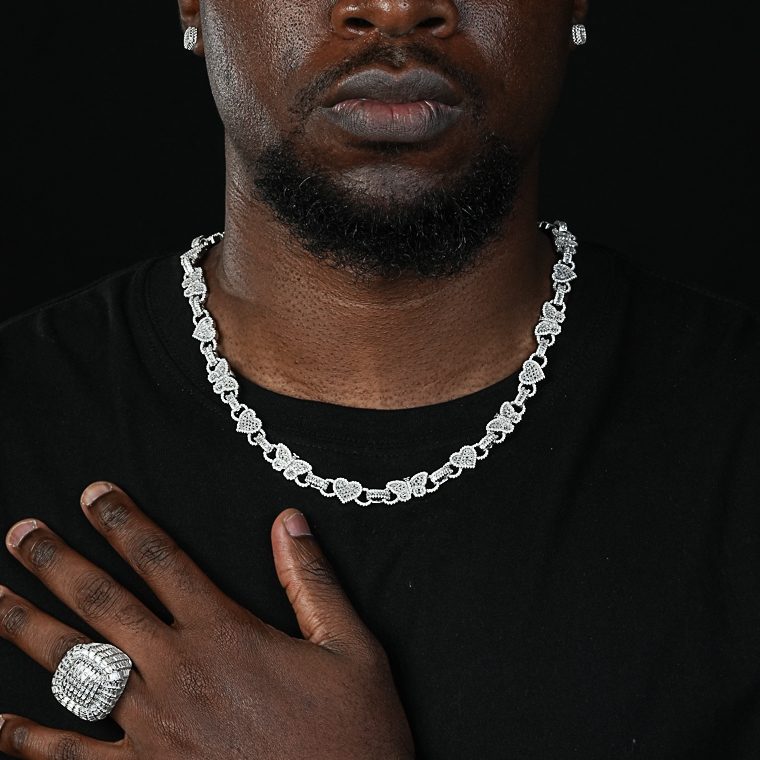
A plain metal Cuban chain and a fully iced-out moissanite chain may share the same basic outline, but the work involved is different.Once you start adding stones to the links, you have to think about the metal left around each setting.
The stone layout may look attractive in a drawing. Whether it works on the actual link is another question.
A narrow area between two settings might be acceptable in one design and unsuitable in another. It depends on the dimensions, the setting method, and the structure of the link.
There's also the movement of the chain.
Stone settings shouldn't interfere with adjacent links when the necklace bends. This is particularly worth checking around tightly connected sections.
At Shining Star Jewelry, our hip-hop jewelry range includes moissanite Cuban link chains and other iced-out designs. For custom projects, stone size and layout have to be considered alongside the metal construction.
Customers sometimes ask whether they can use larger stones or change the number of rows.
Those requests can be worth exploring, but they need to be evaluated against the available setting space.
We also pay attention to the difference between a stone that looks properly positioned and one that is actually held securely.
Photographs are useful for checking the overall appearance. They don't tell the whole story about setting security.
The appropriate setting and inspection methods depend on the design. We believe those expectations should be clear before an order moves into bulk production.
Choosing Between Brass and Sterling Silver
A quotation for a Cuban chain can be confusing if the material hasn't been specified.Take a gold-colored 10mm necklace. One version may use brass underneath the plating. Another may be made from sterling silver. Both might look similar in a catalog photograph, yet the production cost will be different.
Shining Star Jewelry works with both brass and sterling silver in hip-hop jewelry manufacturing.
Brass is commonly used for fashion-oriented jewelry collections. Sterling silver is often chosen for products positioned around precious-metal content, including certain moissanite styles.
For a new order, we need to know which material the customer wants before we can discuss the product cost in any meaningful way.
Sometimes a customer has a sample to match. Other times, the product is still at the planning stage, and material choice is part of the discussion.
A chain intended for an entry-level retail collection won't necessarily need the same construction and specifications as a sterling silver piece being developed for a higher-priced product line.
There's no reason to treat them as though they're the same job.
Getting the Gold Finish Right
Gold-colored finishes are one of those things that can become a problem much later than expected.The first sample looks good. The customer approves it, places an order, and starts selling the chains. A few months later, they want more of the same product.
Now the color matters in a different way.
The new pieces may be going into the same display case as the earlier shipment. If the gold tone isn't close enough, the difference is easier to spot.
This is why we prefer having an actual reference piece when discussing repeat production. A photo can be affected by lighting, camera settings, and screen color. The words "yellow gold" leave plenty of room for different interpretations.
Surface preparation also makes a difference.
On a Cuban chain, it's relatively easy to see the broad polished surfaces on the front of the links. The narrow areas near the link connections are another matter. They're less accessible, and the finishing work needs to account for that.
The clasp has its own edges, corners, and moving parts to consider.
Plating doesn't cover up every problem left by earlier manufacturing steps. A scratch, rough patch, or unevenly prepared area may still be visible after the finish is applied.
Thickness specifications need to be discussed separately from color. A customer asking for a particular coating thickness should have that written into the order requirements, along with the method of checking it.
"Gold plated" is a product description. It doesn't tell us everything about the finish a customer expects to receive.
What I Would Check on a Cuban Chain Sample
When a sample arrives, it's tempting to look at the front, check the shine, and move on.I'd spend a little longer with it.
Put the chain on a flat surface first. See whether the links sit evenly or whether one section looks different. Then lift it and let it hang. A Cuban chain is supposed to move, and handling it makes it easier to notice a section that feels unusually tight.
With a wider chain, I'd also want to see how it rests around the neck. A necklace that appears perfectly symmetrical on a table may behave differently when worn.
Then there's the clasp. Open it, close it, and check the connection to the chain.
For a stone-set necklace, look closely at the areas between links and along the rows of stones. The front may look consistent at first glance, but a closer view can reveal differences in alignment or finishing.
Weight is worth checking against the sample specification too. Two chains of the same nominal width can feel quite different depending on their construction.
These aren't complicated things to look at. They're simply difficult to judge from photographs.
For buyers developing a new wholesale collection, we'd much rather have those questions come up during sample approval than after the bulk shipment has arrived.
The Real Test Comes with the Bulk Order
A custom sample gets attention. It's usually a small quantity, and everyone involved knows it's being reviewed closely.Bulk production is different.
A Cuban Link Chain Manufacturer has to deal with the same design being made repeatedly, sometimes across different production stages and workers.
On a Cuban chain, small changes can affect the overall appearance. If the links aren't consistent, the way the necklace sits may change. If polishing varies, one piece may look noticeably different from another when they're placed next to each other.
Iced-out styles add more work.
Stone alignment needs to remain consistent, particularly when several rows run across the same link. Different pieces shouldn't end up with visibly different stone spacing simply because they were completed at different times.
This is where the approved sample becomes important.
It's the reference for the dimensions, weight, finish, clasp construction, and stone arrangement that the customer has accepted.
At Shining Star Jewelry, we support custom jewelry development and wholesale manufacturing, including design, molding, stone setting, polishing, inspection, and packaging.
We try to settle the details that could create confusion before the order enters production. Not every issue can be predicted, but it's better to identify unclear specifications while changes are still straightforward.
For repeat orders, preserving the agreed product specifications is especially important. A successful jewelry style needs to be reproducible, not just attractive the first time it's made.
Why Cuban Chain Quotations Can Be So Different
Send the same reference photo to several manufacturers and you may receive surprisingly different prices.Before deciding which quotation is better, it helps to find out exactly what each supplier has included.
A 10mm Cuban chain can be made with different link thicknesses, materials, weights, and clasps. Add moissanite, and the stone specifications and setting work become part of the cost as well.
One supplier might quote a lighter brass version. Another may be pricing a sterling silver chain with heavier construction.
They aren't necessarily quoting the same product.
Customers sometimes have a target price before the design is finalized. That's useful information because it helps narrow down which materials and construction options are worth discussing.
But it still takes a clear product specification to make a fair comparison.
For a wholesale buyer, the unit price is only one part of the decision.
If the chain doesn't match the approved sample, or the clasp becomes a recurring source of complaints, the cost doesn't stop at the factory invoice.
The ability to reorder the same product consistently also matters when a style starts selling well.
A lower quotation can be attractive. Whether it's the better deal depends on what the customer will actually receive.
Working with a Manufacturer on a Custom Cuban Chain
Some of our customers are looking for a standard Cuban link style. Others want something they can sell under their own brand.That might involve changing the chain width, working with a different clasp, choosing a particular moissanite arrangement, or developing matching bracelets and pendants.
For custom projects, the more useful information we have at the beginning, the easier it is to discuss the manufacturing options.
A reference photo is helpful. So are dimensions, material preferences, target weight, and estimated order quantities.
If the customer already has a physical sample, that can be an even better starting point.
Not every detail has to be decided immediately, but the main construction requirements need to be clear before a design can move forward.
At Shining Star Jewelry, we work with wholesalers, retailers, and jewelry brands developing Cuban link chains and other hip-hop jewelry products.
Our manufacturing work includes custom and wholesale designs, with options involving sterling silver, brass, moissanite, and different surface finishes.
We understand that buyers need more than a product that looks attractive on a website. They need something that fits their market, meets the agreed specifications, and can be supplied again when it's time to reorder.
That's what I would focus on when choosing a Cuban Link Chain Manufacturer.
If you're developing a new Cuban link collection or looking for a manufacturer for custom moissanite jewelry, you're welcome to share your designs and requirements with Shining Star Jewelry.