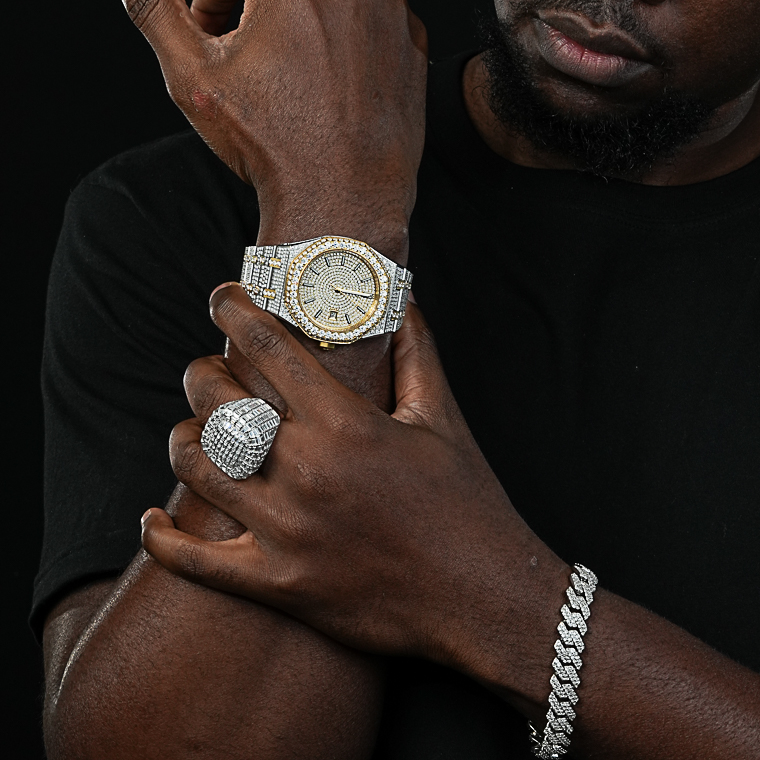






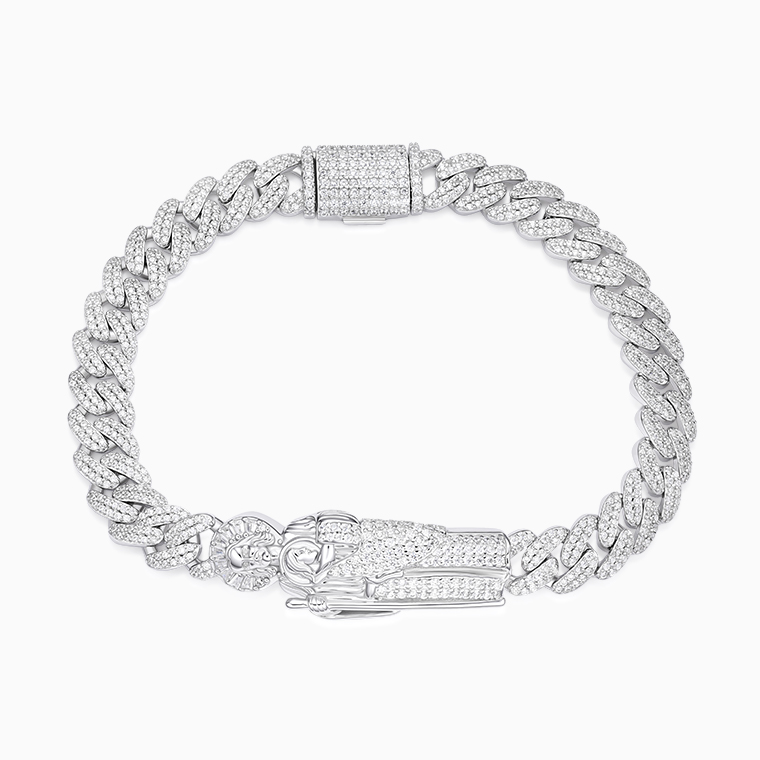

Which sample was approved—the first one, or the version with the revised clasp? Did the buyer accept the warmer gold color, or only agree to take that shipment? Does the reorder include the longer chain discussed later by email?
These are the details worth settling before paying a deposit on another batch of wholesale Cuban link chains. A retailer may think in terms of a familiar bestseller. The factory needs an identifiable version to make again.
Once a chain has sold well, there is a reason to be careful about changing it. Its photographs are already on the website. Customers may have reviewed its weight or bought a pendant to wear with it. The next delivery has to support those expectations.
Keep one chain out of the sales inventory
If possible, retain an approved chain that will not be sold, worn, or used repeatedly for photography. Label it with the order number and approval date. Ask the supplier to identify the corresponding reference on its side.That sample gives both parties something concrete to discuss when a later delivery looks different. It is especially useful for details that a short product description cannot capture: the shape of a link viewed from the side, the transition into the clasp, or how the chain settles when laid in a curve.
Keep the written specification with it. A physical sample cannot tell you everything about metal composition or plating requirements, and its surface may change with handling. The sample and the paperwork serve different purposes.
Also record concessions separately. Suppose a buyer agrees to accept a slightly different finish on one delivery because a launch is approaching. That is a hypothetical example, but the distinction matters: accepting a shipment does not necessarily mean approving the difference for every future order. State whether the concession applies to that batch only.
A cheaper reorder needs an explanation
Price discussions deserve particular attention when a product is already selling.It is reasonable to ask whether a larger quantity will bring down the unit price. It is equally reasonable to ask what the revised quote includes. If the supplier proposes changing the chain to meet the budget, get the proposed changes in writing before agreeing to the price.
A reduction in metal weight, a different clasp, or a revised stone layout may be acceptable. The buyer needs to decide whether the resulting product still fits the existing listing and retail price.
Take a chain advertised as 12 mm wide. That measurement does not describe the depth of each link or its underside. Two versions may share the stated width while having different profiles and weights. A frontal photograph may not make the difference obvious.
Ask for the current specification beside the proposed one. Where the construction changes, a side view and an underside view can help explain the proposal. If weight, comfort, or movement could be affected, a physical sample is worth considering before the bulk order.
Our wholesale jewelry page includes silver, brass, CZ, and moissanite options. For a repeat order, name the exact combination again. A request to upgrade the stones should not leave the metal or finish open to interpretation.
The clasp can change the product more than expected
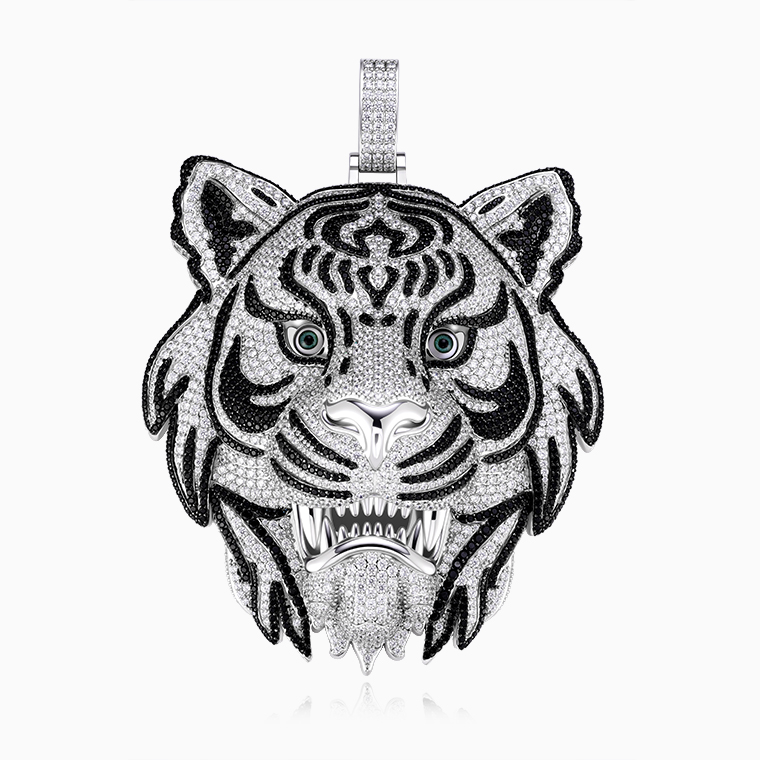
Clasp substitutions deserve a separate conversation, even when the replacement looks similar.A chain may be sold on its own, but customers can still expect it to work with a pendant they already own. If your store sells a particular pendant with the chain, keep that pendant available during the sample review. Check the actual opening against the clasp and end fitting.
The awkward point is often the end of the chain. A pendant may have enough room for the links but stop at a thicker clasp housing. That is why the width printed on the product page cannot answer the fit question by itself. Trying the two pieces together takes that uncertainty out of the order.
There is something else a close-up photo will not show: how easily someone can fasten the replacement. On the sample, is the release accessible? Does the clasp close fully without having to reposition the adjoining link? Comparing it with the original chain makes these differences easier to describe to the supplier.
Sometimes the original component is simply unavailable. The purchase order should make clear that a replacement needs approval, even if the supplier considers it equivalent. At that stage, the buyer can still request a sample or reconsider the delivery date. After production, the same decision affects a whole batch of finished chains.
Leave the batch labels on until the checks are finished
There is a practical reason to keep a new delivery separate from existing stock. If a customer later reports a loose clasp, the order record should help identify which shipment supplied it. Mixing identical-looking chains in the same bin removes a useful piece of that history.The retained sample belongs on the receiving table. With the old and new chains beside each other, differences in link shape or finish are easier to discuss. Both should be viewed under the same light; comparing a chain under warehouse lighting with an old studio photograph can create a misleading impression of color.
Measurements need the same care. For length, both sides should already know whether the clasp is included. An unexpected weight difference deserves a recorded measurement and a question to the supplier, without jumping to a conclusion about the metal or construction.
If something looks wrong, the first message can be short. For example: “The chains from this order look warmer in color than our approved sample. Both are shown together in the attached photo.” Add the SKU, order number, and how many pieces were checked. The supplier then has an observation to investigate and a batch to trace.
The extent of that receiving check should have been agreed before dispatch, along with the treatment of goods that fail it. One acceptable piece says little about the rest of the shipment. Until a discrepancy is resolved, the affected stock should stay out of customer orders.
A batch number will usually serve a different purpose from a product SKU: it identifies a delivery of the product. An intentional design change raises another question. If the clasp, dimensions, or other advertised details have changed, the existing photographs and description may no longer represent what the customer will receive. Review those before putting the revised version on sale.
The next order does not have to repeat the first order's quantities
“This chain sold well” is only the beginning of a replenishment decision. The shorter length may have sold out while the longer one is still on the shelf. A finish that attracted plenty of attention may have produced few completed purchases. Ordering the original mix again would overlook those differences.Returns can explain part of the picture. A complaint that a chain is “too short” might point to an inaccurate measurement, unclear sizing on the page, or a customer choosing the wrong length. Those problems call for different responses. Checking the returned item against its listing is a useful step before asking the factory to change anything.
New variations need their own discussion. Making a wider chain can affect link proportions, weight, and the clasp; adding a decorative closure may involve new design work. Shining Star's design service is a place to discuss the sample and development scope for those changes. They should be priced and scheduled before being added to a routine replenishment order.
A clear reorder email can begin with a few lines:
Please quote a repeat of order [number], using approved sample [reference]. The quantities by length and finish are attached. We need the goods in stock by [date]. Please identify any proposed changes to the approved specification before production.
The supplier can then confirm the current price and whether the receiving date is workable. Material availability and the production schedule still need checking, even when the design has been made before.
For wholesale Cuban link chains from Shining Star Jewelry, send the previous order details or your new design requirements through our contact page. If the next order includes changes, mark them on the reference so they can be reviewed with the quotation.