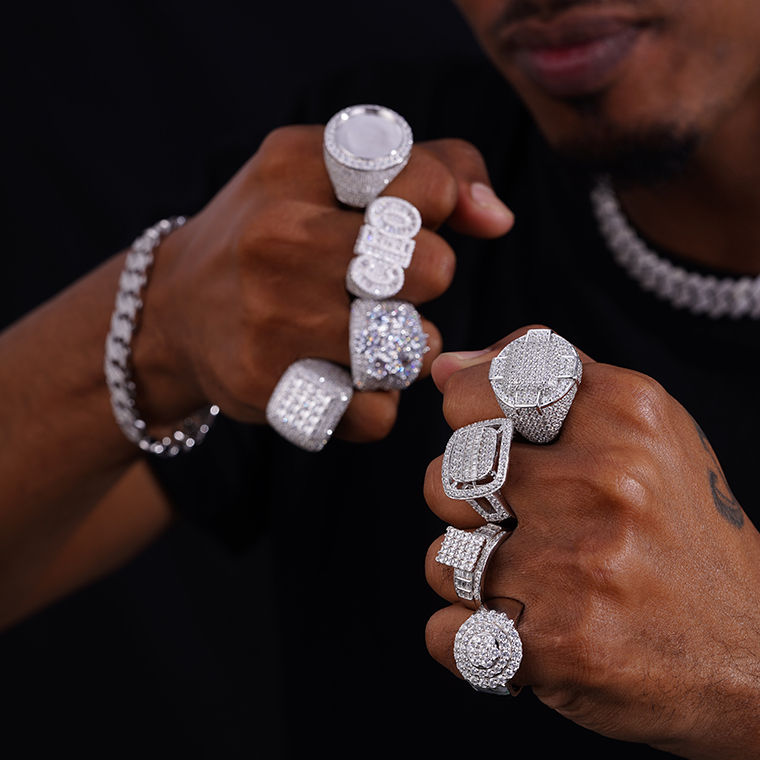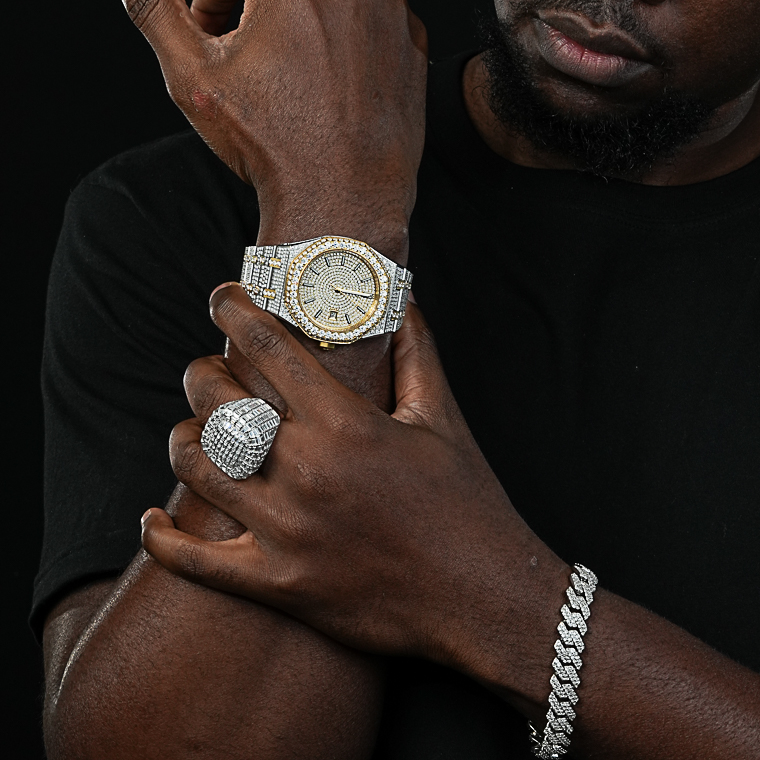






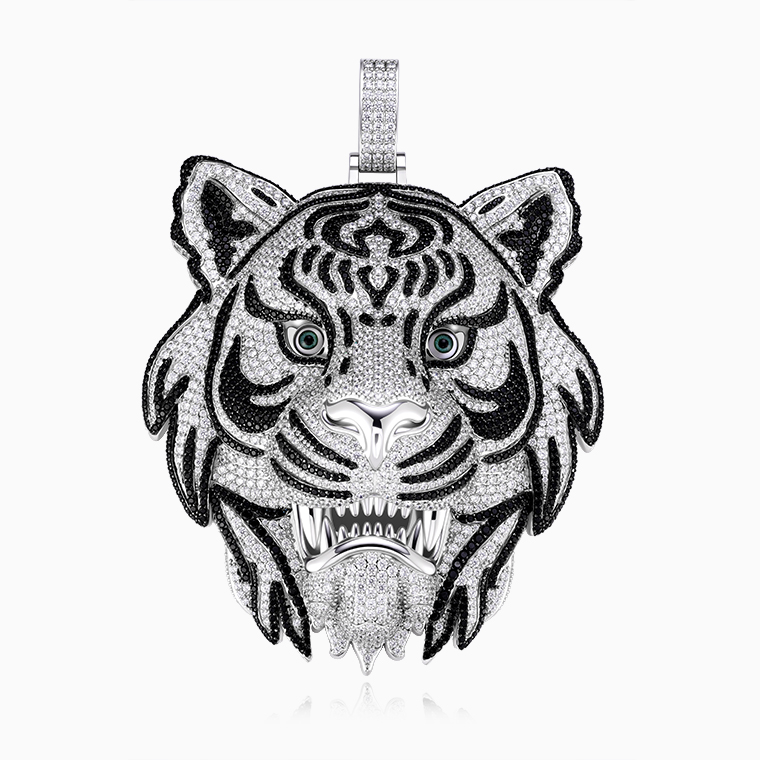

A custom name pendant can look convincing in a rendering. Every stone catches the light, the letters sit neatly together, and the proportions appear balanced against a clean background.
Then the sample arrives. The lettering is harder to read at its actual size. The pendant feels heavier than expected. The bail fits the chain itself, but the chain’s end fitting will not pass through it.
These are possible development problems, and they illustrate why choosing an iced out jewelry manufacturer requires a closer look at the product. The details left unresolved during quotation and design eventually become physical features. By then, changing them may involve another drawing, another sample, and a revised launch schedule.
For a brand developing men’s pendants, Cuban chains, rings, or bracelets, a useful way to compare manufacturers is to give them a real design and examine how they respond. Their questions, drawings, quotations, and samples provide the evidence you need to make the decision.
Begin With a Product That Represents Your Brand
A supplier’s catalog is a reasonable place to start. It shows the styles the business offers and may help you identify a suitable direction. However, the catalog cannot explain how the team will handle your particular design.
Choose one piece that represents the collection you intend to develop. If detailed lettering is central to your brand, start with a letter pendant. If you plan to sell substantial Cuban chains, evaluate a chain with the width, stone coverage, and construction you expect to order.
The distinction matters. Making a small, flat pendant involves different decisions from developing a heavy chain with moving links and a fitted clasp. Experience with one product gives you some useful context, but it does not settle every question about the other.
You do not need a finished technical specification before contacting a factory. A clear reference, approximate dimensions, preferred materials, and estimated quantity are enough to begin a meaningful discussion. Include your purchasing budget and explain who will wear the piece. A pendant intended for occasional statement styling may call for different proportions from one customers are expected to wear throughout the day.
Identify what must survive the development process. Perhaps it is the shape of a logo, the spacing between two letters, or the contrast between polished metal and stone coverage. Other details may be open to adjustment.
This gives the manufacturer something useful to work with. It also lets you judge whether proposed changes respect the design.
Pay Attention to the Questions Behind the Quote
A request for more information can be a good sign when it addresses something that affects the finished product.
Consider the bail on a pendant. Knowing that the customer wants a 22-inch chain says very little about whether the pendant will fit. The designer needs the chain’s width and thickness, along with the dimensions of the hardware that must pass through the opening. A supplier who raises that question has identified a practical issue before it becomes a sample problem.
Other questions may concern the back of the pendant, the depth of the lettering, or whether the proposed dimensions include the bail. These details can affect weight, appearance, and cost. They deserve an answer before the quotation becomes the basis of an order.
Watch how the supplier handles uncertainty. An early estimate is useful if its assumptions are visible. For example, the factory may need to confirm the finished metal weight after modeling or sampling. The important point is that you know which figures are provisional and what will determine the final price.
You should also be able to establish who will resolve design questions. A sales contact can coordinate the project effectively, provided technical feedback reaches the designer and the agreed changes return in a clear form. Repeatedly explaining the same revision without seeing it reflected in the drawing is a problem worth addressing before development continues.
Shining Star’s design services include custom development and model revision support. As with any manufacturing arrangement, the scope of that work should be clear: which views you will receive, how feedback will be handled, and when a change may require an additional fee.
Look Closely at the Parts a Product Photo Can Hide
The front view attracts attention. The back, edges, connections, and moving parts often tell you more about how the jewelry has been developed.
On a name pendant, study the lettering at the intended size. An enlarged rendering can make a small gap appear generous and a narrow stroke look easy to fill with stones. At actual scale, those decisions may affect how clearly the name reads. Ask the designer to show the dimensions and explain any areas where stone coverage changes the original outline.
Turn the design over as well. The reverse affects the pendant’s weight and the surfaces that touch clothing or skin. Removing metal to reduce weight is a design decision that should be discussed alongside the support needed around settings and connections.
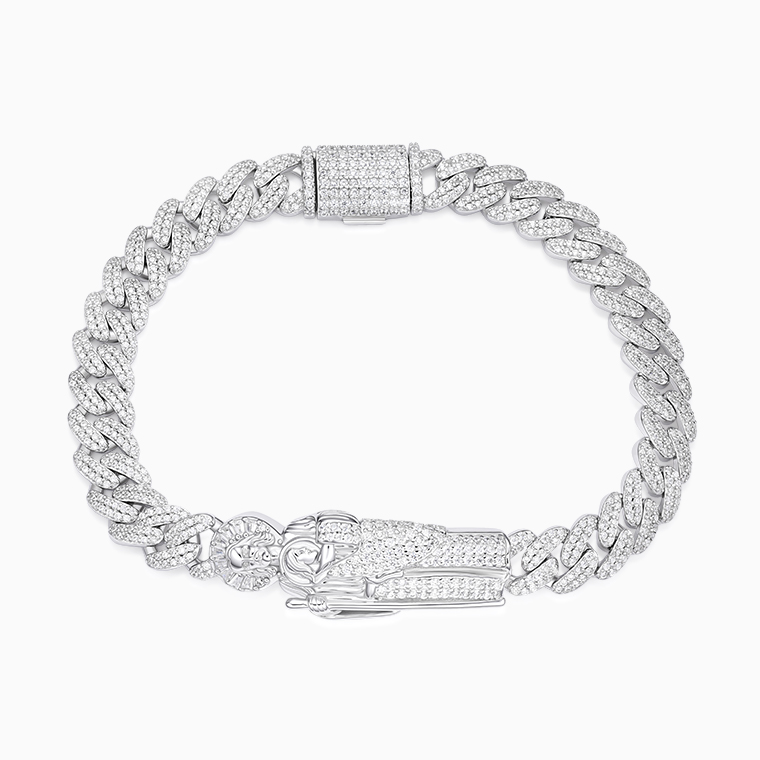
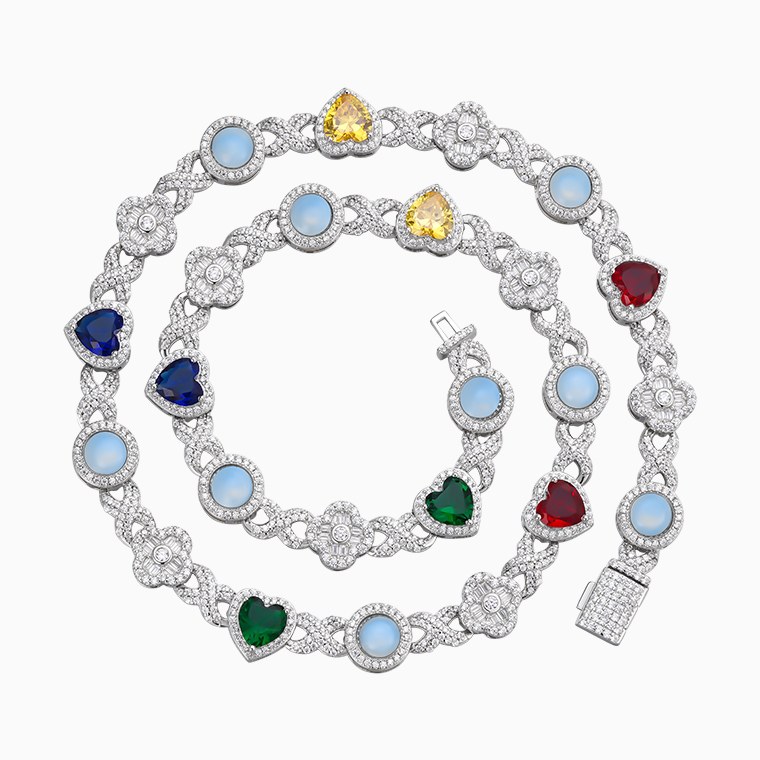
A chain requires a different review. Observe how it bends and settles when worn. Check the links near the clasp, where the transition between components may reveal a problem that is less obvious in the middle of the chain. Open and close the clasp yourself if you have a sample.
Stone setting belongs in this review, too. Examine corners, curved sections, and places where different stone sizes meet. Ask the manufacturer how stones are checked during production and what happens when a piece fails inspection.
Photographs and videos can help you narrow a shortlist. For a product that depends on weight, movement, or fit, a physical sample provides information that remains difficult to judge remotely.
Make Sure Competing Prices Describe the Same Jewelry
Two quotations for the same photograph may refer to substantially different products.
One may assume a thinner back. Another may use a different stone arrangement. The estimated dimensions may exclude the bail, or the proposed finish may differ from what you had in mind. Until those details are aligned, the price comparison is incomplete.
Begin with the base metal and stones. Write down whether the piece uses 925 sterling silver, brass, or another agreed material. State moissanite or cubic zirconia explicitly where applicable. A description such as “gold iced out pendant” leaves too much open: it does not establish the underlying metal, the stone material, or the finishing specification.
The same principle applies to plating. Agree on the intended color and appearance, preferably with a physical reference when matching is important. If you are buying a pendant and chain as a set, review them together. Separate photographs taken under different lighting are a weak basis for approving a color match.
Next, look at what sits outside the unit price. Design work, tooling, samples, revisions, packaging, and shipping may be quoted separately. Ask how these charges apply to your project and how a revision would change the total.
Minimum quantities deserve similar care. A minimum per style is different from a minimum per color or size. That difference can determine how much stock a new brand needs to purchase before testing demand.
Shining Star’s manufacturing FAQ explains that single-piece customization can support product development, while wholesale pricing and applicable quantities depend on the proposed order. Confirm the terms for your own specification before using them in a launch budget.
Give the Sample a Clear Job
Before commissioning a sample, decide what you need to learn from it.
A preliminary model may help you assess scale and shape. A finished sample may be needed to evaluate the intended stones, surface finish, weight, and function. If the supplier proposes substitute materials for an early sample, record those substitutions and the questions they leave unanswered.
Once the sample arrives, compare it with the latest approved drawing. Keep the review specific. Check the dimensions, examine the lettering, attach the intended chain, and look at the back and edges. Review the finish under ordinary lighting, especially if the product photography uses strong lighting that changes how the surface appears.
Try to express revisions in terms the designer can act on. “Make it more premium” could mean a heavier piece, a cleaner finish, a different stone layout, or more refined proportions. A marked photograph showing the exact area you want changed will usually make the discussion more productive.
Ask about the consequences of the revision. Increasing a border may affect weight. Enlarging the bail may alter the overall proportions. A change in stone size may require adjustments elsewhere in the layout. You should understand those effects before approving the next version.
When the sample is ready, identify it by a date or reference number and connect it to the final specifications. This becomes the shared standard for production. It should be possible for someone who was not involved in the earlier conversations to understand what was approved.
Find Out What Happens After Approval
Sample development gives you a close view of the working relationship. Bulk production requires the same decisions to remain clear across a larger order.
Ask how approved revisions reach the production team and which reference the inspectors use. Discuss the checks relevant to your product. For a chain, clasp operation and link movement may be central. For a logo pendant, lettering, stone placement, and bail orientation may need particular attention.
A general statement that every piece is checked does not tell you how a disagreement will be resolved. Establish the acceptance requirements and ask how the supplier handles goods that fall outside them before shipment.
The schedule should also show its starting point. Design approval, material confirmation, payment, and sample revisions may each affect when production can begin. Ask for development, manufacturing, and shipping to be explained separately so your team can plan photography, listings, and the launch around realistic milestones.
If the design is original, settle practical questions about files, tooling, and photographs early. Explain whether the product is confidential before launch and discuss how it may be used or shown. These arrangements become especially relevant when you return for another order months later.
Choose the Partner You Can Work With Again
By the end of the evaluation, you should have more than an attractive sample and an acceptable price. You should understand how the manufacturer interprets your brief, resolves technical questions, records changes, and prepares an order for shipment.
Some unanswered questions will be easy to settle. Others may affect the entire product. An unclear packaging detail and an undefined base metal should not carry the same weight in your decision. Resolve the issues that affect the specification, function, and commercial terms before committing.
For a growing brand, repeatability matters. A successful first order should leave a usable record of the materials, dimensions, finish, construction, and approved sample. That record gives the next purchase a reliable starting point.
Shining Star Jewelry operates its own factory and design team and develops custom chains, pendants, rings, bracelets, and earrings. Our iced out jewelry manufacturing service accepts logos, sketches, reference images, CAD files, and physical samples as starting points for a project.
Share the design you want to develop, its approximate dimensions, preferred materials, estimated quantity, and target budget. If it is a pendant, include the chain measurements. We can then discuss the development work, sample requirements, and production plan that apply to your piece.
Contact Shining Star Jewelry to discuss your design.