






The first question is usually whether the jewelry is defective. Sometimes a coating problem does need attention. In other cases, the change follows the places where the piece has been rubbing. Understanding which situation you are looking at takes more than knowing that the chain is “gold plated.”
That description leaves much of the product unexplained. It says little about the metal underneath, the thickness of the coating, or the construction of the links. It also does not tell you whether the chain was designed to carry a heavy pendant or lie on its own against a shirt.
For a retailer comparing a gold plated hip hop jewelry wholesaler’s products, these missing details matter. They affect how the jewelry feels, how its surface changes, and what advice a customer will need later.
What Is Underneath the Gold
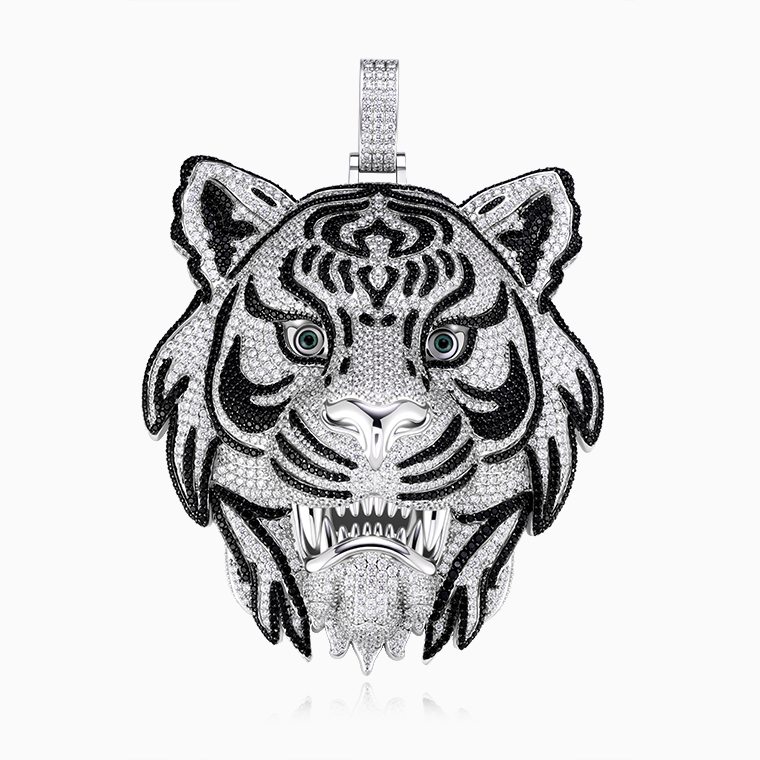
Two gold plated pendants can look almost identical in a product photograph and still be quite different pieces of jewelry.One may have a sterling silver body. Another may use brass or stainless steel. A third may have a hollow structure that makes it much lighter than its dimensions suggest. The visible gold-colored surface does not answer any of those questions.
Start with the base metal. Ask the supplier to identify it clearly, including the material used for important components such as the chain, bail, clasp, and connecting rings. A broad description of the main body should not be assumed to cover every component.
For a silver-based piece, clarify whether the body is sterling silver and whether any parts use a different material. For other base metals, obtain an equally specific description. “Premium metal” is not a material specification.
Construction deserves a separate answer. A large pendant may have a closed hollow back, an open framework, or a relatively substantial body. Each arrangement changes its weight and the way it can be handled or repaired.
These distinctions are especially useful when comparing quotations. A lower price might reflect less metal, a different base material, a simpler clasp, or another finish specification. Until those differences are understood, comparing the prices alone does not tell you much.
The Meaning of 18K Gold Plated
The number in “18K gold plated” refers to the stated fineness of the gold used for the plating. It does not mean that the entire piece is 18K gold.It also does not tell you the coating thickness.
That second point is easy to miss because product descriptions often give the karat figure far more prominence than the rest of the finish information. A buyer may see a familiar gold designation and assume it describes durability as well as composition. It does not provide that complete answer.
For a wholesale order, request the coating thickness specification and the method used to check it. Ask whether the stated value is a minimum requirement or another type of measurement. If there are intermediate layers or an additional protective finish, have those recorded too.
There is no need to turn a product page into a technical manual. However, the supplier’s production record should be more precise than the short description presented to a retail customer.
Color needs its own approval. A warm yellow, a pale champagne tone, and a deeper gold appearance may all be described casually as “gold.” If a chain and pendant are meant to be sold together, compare their physical samples under the same lighting. Separate photographs can make slightly different finishes look like a match.
Keep the approved samples. They provide a practical reference when the next order arrives.

Choosing the Chain Before Designing the Pendant
A large pendant changes how a necklace behaves. Its weight pulls on the chain, its bail contacts the links, and its back may strike another piece when necklaces are layered.For that reason, it helps to choose the intended chain early.
Suppose a wide letter pendant is designed with a narrow bail hidden behind its top edge. The front looks clean, but the chosen chain barely fits. Once assembled, the pendant cannot move freely and keeps catching at an angle. Enlarging the opening after production may require more work than adjusting the original design.
The clasp and end fittings also need to pass through the opening if the pendant is threaded onto the necklace. Checking chain width alone can overlook this.
Have the sample assembled exactly as the customer will wear it. Let the pendant hang freely, then move it gently along the chain. Watch for binding and examine the contact area inside the bail.
That contact area matters to the finish. A beautifully plated outer face does not eliminate rubbing on the inner surface. The aim is to avoid unnecessary pressure and awkward movement, rather than expect moving metal parts to remain untouched.
The pendant’s balance is another issue that a flat image cannot settle. If most of its weight sits forward of the attachment point, it may tip. A sample video should therefore include a view of the pendant hanging under its own weight, not only a hand holding it upright.
Why the Edges Deserve Attention
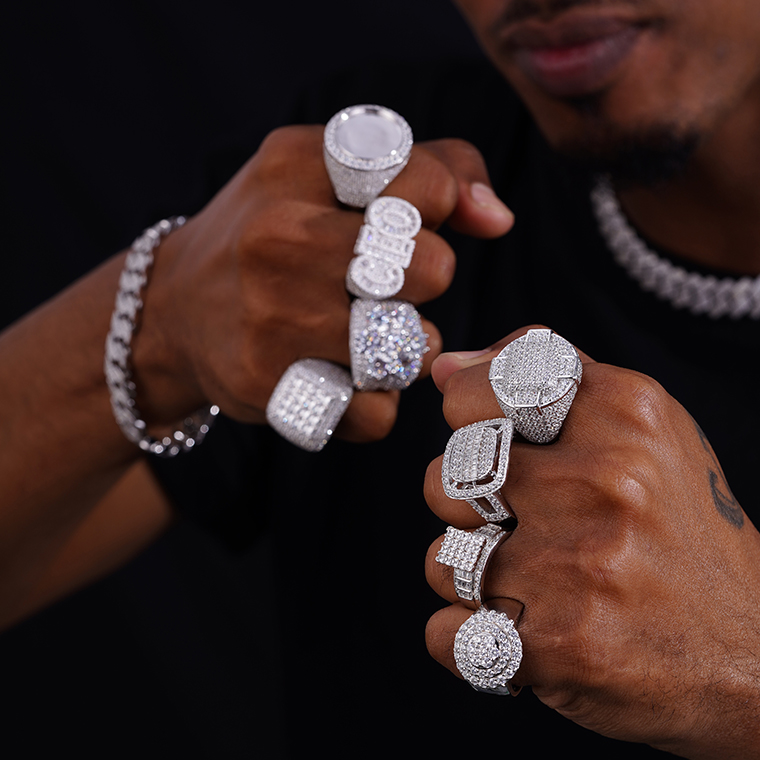
Bold jewelry often relies on sharp-looking outlines: squared links, raised lettering, ridged rings, and angular pendants. These features give the design definition, but their exposed positions also make them likely contact points.Look at the outer corners of a sample as closely as the center of its face.
An edge can appear crisp without being unpleasant against the skin. Conversely, an unfinished corner hidden on the back may catch fabric even though it is absent from every product photograph. Surface treatment does not correct an unsuitable shape.
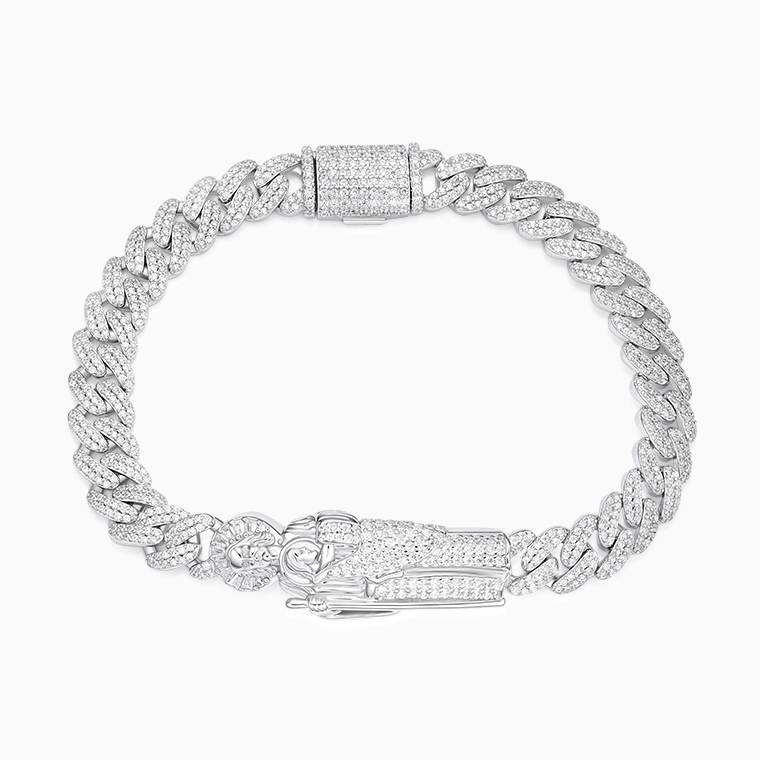
On a ring, consider the lower sides and underside. Those areas meet handles, tabletops, and objects held in the hand. On a bracelet, inspect the clasp and neighboring links. They may encounter a desk repeatedly during ordinary use.
This is one reason a finish should be evaluated in relation to the product. A pendant worn occasionally over clothing and a bracelet worn through a working day do not face the same pattern of contact.
If a sample has especially prominent projections, discuss them before production. A small change in contour may make the piece easier to wear while preserving its visual character. Waiting until after plating to address rough or awkward areas adds complications that could have been avoided earlier.
Iced Out Jewelry Has More Than One Surface to Maintain
On an iced-out piece, the gold-colored metal is only part of what the customer sees. The arrangement of stones, the retaining details, and the spaces between them all affect its appearance.A chain may seem to have lost brightness when the immediate problem is residue around the settings. A ring may retain its gold color but look uneven because the stones sit at inconsistent heights. These are different issues, even if both are described as a loss of shine.
During sample approval, examine the jewelry in ordinary light. Strong display lighting can make sparkle dominate everything else.
Look along the stone rows from an angle. Check the transitions near corners and tapered sections. These are places where a layout may become cramped or leave irregular gaps. The solution might involve changing stone sizes or allowing a visible metal border.
Enough metal must remain to support the settings. A design that looks densely covered in a magnified rendering still has to work at its actual size.
Ask about the stones themselves, including their identity and any relevant treatments. Cleaning instructions cannot be chosen reliably from the phrase “iced out” alone. If the design includes adhesive-set decorations or other materials, those need to be identified as well.
Repair planning belongs here too. Record replacement stone dimensions where possible. If one is lost later, a known specification makes the discussion with a repairer more straightforward.
When Gold Plating Begins to Look Different
The location of a change is often more useful than the word “fading.”A pale patch on the underside of a ring may correspond to repeated rubbing. A dull film around stones may be accumulated residue. A visibly lifting or flaking surface needs a different assessment from gradual wear at an exposed edge.
Before attempting to clean the piece, take a photograph in neutral lighting. Compare an affected area with a nearby area that still looks normal. This gives the supplier or jeweler a clearer starting point.
Do not polish repeatedly just because the original color has not returned. If the coating has worn away, cleaning cannot replace it.
It is also possible for several changes to occur together. Fine scratches may alter the reflection while dirt collects in recesses and a contact point loses some coating. A single cleaning method may improve only one part of the appearance.
For a retailer handling a customer inquiry, ask where the change appeared and how the piece has been worn. Obtain the product’s material and finish information before recommending a treatment. A general answer intended for plain silver is not automatically suitable for a gold plated item.
The description should remain specific. “The gold color has become pale on the back of the clasp” is more useful than “the quality has changed.” It identifies a location that can be inspected.
What a Wear Test Can and Cannot Tell You
A supplier may offer test results for a coating. Those results can be useful, provided the test method and conditions are clear.Ask what was tested. Was it a flat coated sample, a component, or the finished jewelry? How was the result assessed? What counted as failure?
These questions help establish whether the result is relevant to the piece being purchased.
A test does not automatically translate into a fixed number of months of customer use. A ring worn occasionally and a chain worn every day experience different contact, handling, and storage conditions. Even two owners of the same bracelet may use it very differently.
For a new product, physical sample evaluation remains valuable alongside documented testing. Operate the closure, check articulation, and inspect surfaces that rub together. Keep records of the approved specification and any agreed performance criteria.
Avoid relying on terms such as “long lasting” without asking what supports them. The useful information is the defined requirement behind the claim.
A retailer can then describe care and expected maintenance without making a promise that the evidence does not establish.
Cleaning Without Polishing Away the Finish
Start with the care instructions for the exact product. The base metal, coating, stones, and any additional decorative materials all matter.For accessible light residue, a clean, soft cloth provides a gentle first step. Work carefully around projecting settings. Do not assume that a cloth sold for polishing metal is the same as an untreated soft cloth; polishing products may contain compounds that affect a decorative surface.
If the manufacturer confirms that mild soap and lukewarm water are suitable for the whole piece, follow that guidance gently. Rinse carefully and dry the recesses as well as the front. Avoid prolonged soaking unless it is specifically permitted.
An unidentified stone-set piece should not become a trial for a household cleaning method. Abrasive powders, toothpaste, and forceful scrubbing offer little control over what happens to a thin surface finish.
A suspected loose stone, bent setting, or damaged clasp is a reason to arrange an inspection before more extensive cleaning. The immediate priority is to avoid turning a small repair into a lost component.
The same care applies to ultrasonic equipment. Whether a piece can be cleaned that way depends on its materials and construction. A machine that works for one item should not be assumed suitable for the rest of a collection.
When using a professional cleaning service, provide the original product information if available. Saying that the piece is gold plated, rather than simply calling it gold jewelry, gives the repairer an important starting point.
Wearing Several Pieces Together
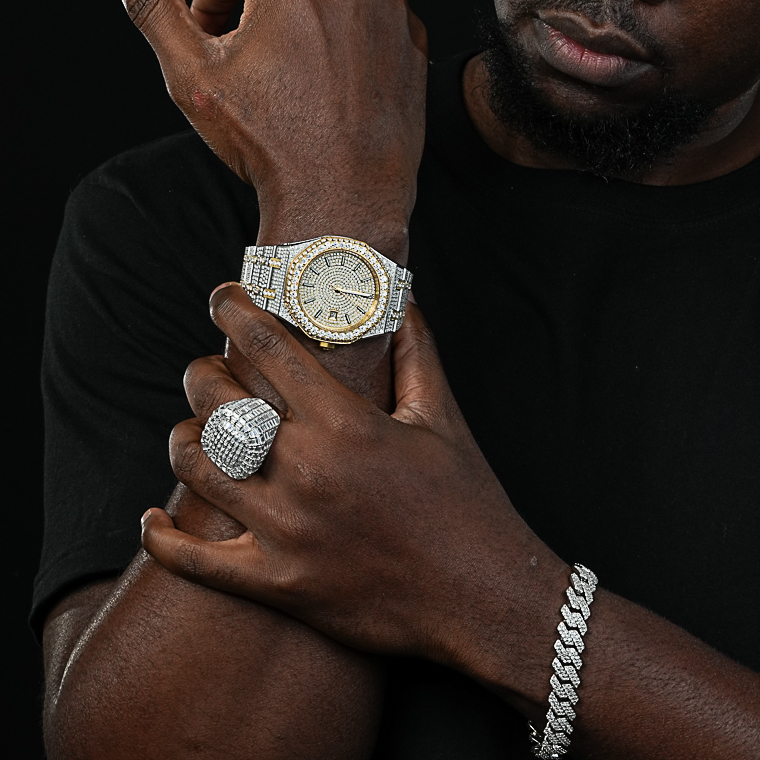
Layering is part of the appeal of hip hop jewelry, but it also creates contact that an individual product photograph cannot show.Two chains may cross at the same place throughout the day. A pendant may strike a second pendant. A broad bracelet can rub against a watch case. Over time, those contact areas may look different from protected surfaces.
Try the intended combination during sample review if the pieces will be marketed as a set.
Check whether the lengths actually separate the pendants or leave them resting against each other. Look at how the chains meet around the neck. A visually balanced arrangement in a still photograph may behave differently when the wearer moves.
This does not mean that layering should be avoided altogether. It means the resulting wear should be understood rather than mistaken for a mystery.
For the owner, removing jewelry before activities involving repeated friction or impact is a practical habit. Apply cosmetics and fragrance before putting pieces on, and follow the product’s instructions concerning water and chemical exposure.
After wear, look briefly at the fastenings and contact points. A developing connection problem is easier to address before a chain or pendant is lost.
Storage Is Part of the Finish’s History
A plated piece can be marked while it is not being worn.A heavy chain placed on top of a pendant can rub its face. Loose items in a travel bag can strike one another. A necklace pushed into a small compartment may develop tangles that require pulling to release.
Separate pieces where possible, and allow enough room for chains to rest without forced bends. Use packaging suitable for the materials and put jewelry away dry.
For wholesale stock, distinguish display packaging from protective storage. A box that presents the product attractively does not necessarily prevent movement during shipping or contact during prolonged storage.
Inspect a packed sample, not only the unpacked jewelry. Does the chain stay in place? Can the pendant hit the clasp? Are projecting settings pressed against another component?
These are ordinary packaging questions, but they influence what the customer receives.
Older inventory also deserves periodic attention. If a surface change appears before sale, record the affected products and storage conditions, then discuss the issue with the supplier. Repeatedly cleaning stock without identifying the cause can obscure a problem rather than resolve it.
Questions for a Gold Plated Hip Hop Jewelry Wholesaler
A useful supplier conversation begins with a specific model and its intended use.For that model, obtain a written description of the base metal, construction, dimensions, weight range, stones, and finish. If the product will be sold with a matching chain, include the chain’s specifications rather than treating it as an unspecified accessory.
Ask how the coating is defined and checked. Keep the approved color sample and clarify the permitted variation between production batches.
Then discuss maintenance. What cleaning method is suitable? Can the item be refinished if needed? Are replacement clasps or stones available? Where should a customer take a piece with a damaged setting?
These details do not all need to appear in the retail listing, but they should be available to the retailer.
For a first order, document the physical sample carefully. Photograph the back, closure, and connecting parts. Note how the piece hangs or articulates. Record any changes requested before approval.
When the shipment arrives, compare it with that reference. A product name shared by the sample and the delivered goods is not enough on its own. The agreed specifications and observable construction provide the basis for inspection.
Price remains part of the decision, but it becomes more meaningful once the product has been defined.
Keeping the Information That Makes Repairs Easier
The most useful item to keep with a gold plated piece may be its original material description.If the surface changes later, that record helps distinguish a cleaning question from a refinishing question. It tells a jeweler what lies beneath the gold-colored layer and may identify stones or decorative components requiring special care.
For retailers, retaining those details also makes after-sales conversations more consistent. Staff do not have to guess whether every gold-colored product can be treated the same way.
For an owner, the routine is simpler: store the piece so it is not rubbing against other jewelry, use a compatible cleaning method, and have loose or damaged components checked promptly.
Gold plated hip hop jewelry is designed to be seen and worn. Knowing how the particular piece is built makes it easier to enjoy that appearance without expecting every exposed edge to remain exactly as it was on the day it left the box.