





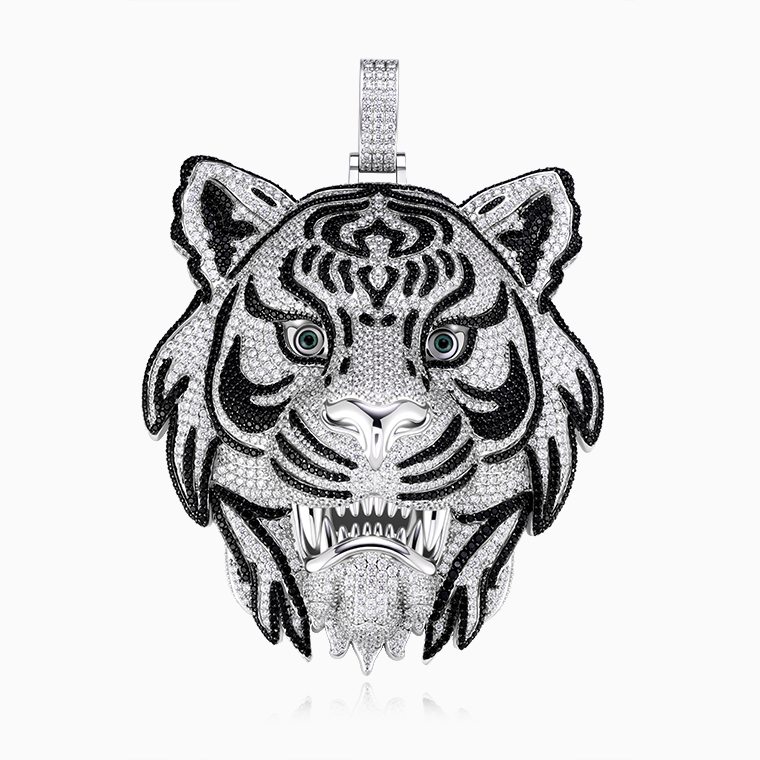

Choosing the best hip hop jewelry manufacturer is not simply a matter of finding the lowest quotation or the supplier with the largest online catalog. A reliable manufacturer must be able to translate a creative idea into a manufacturable design, recommend appropriate materials, produce an accurate sample, maintain consistent quality in bulk production, and deliver the order according to an agreed schedule.
For jewelry brands, wholesalers, retailers, music artists and e-commerce sellers, the best supplier is therefore the one whose production capabilities match the product, target price, order volume and quality expectations of the project.
Before selecting a manufacturer, buyers should evaluate at least seven areas: manufacturing capability, material transparency, customization process, sample quality, quality-control procedures, minimum order quantity, and communication.
What Does a Hip Hop Jewelry Manufacturer Produce?
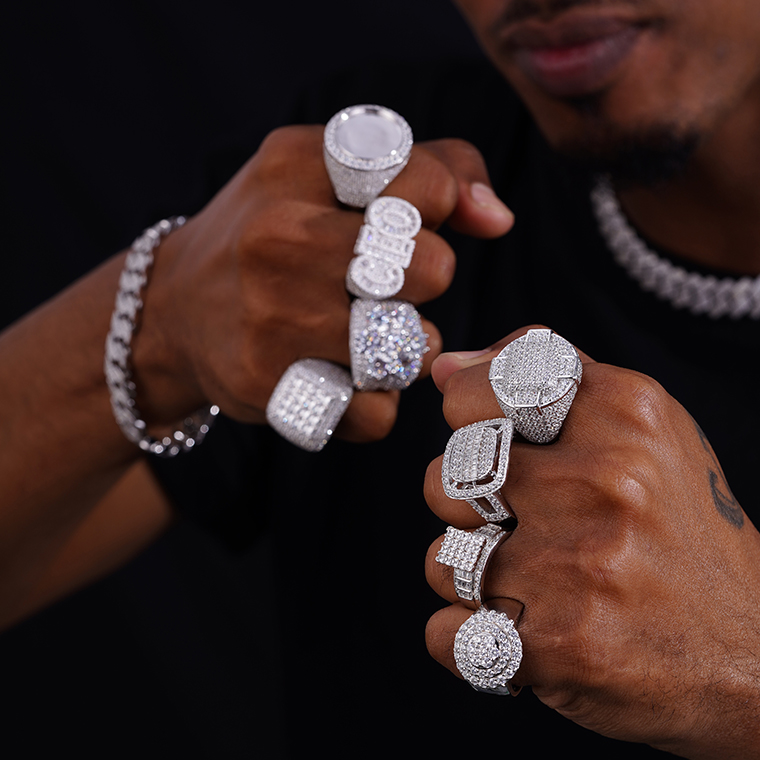
Hip hop jewelry is a broad product category that includes:
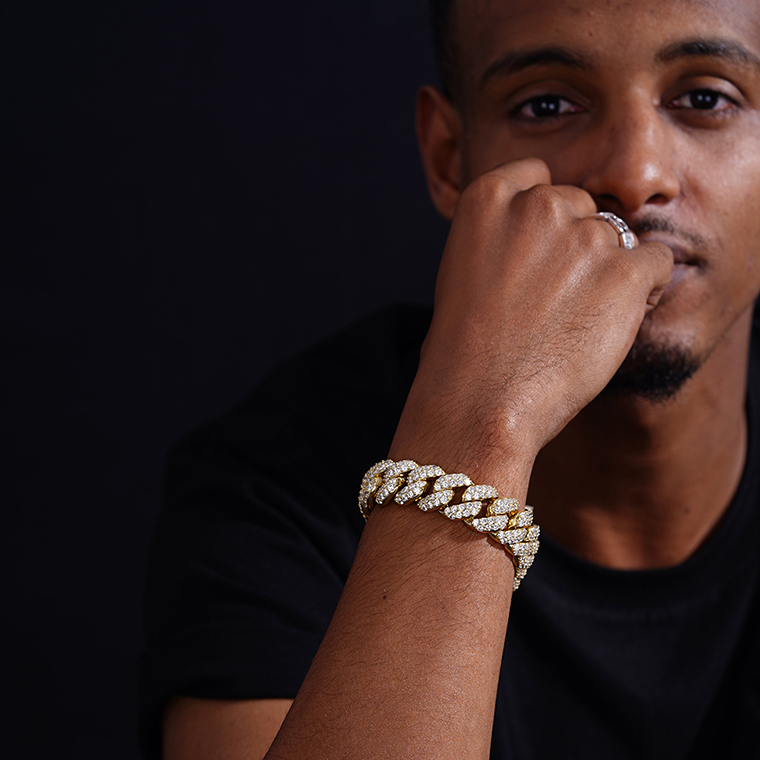
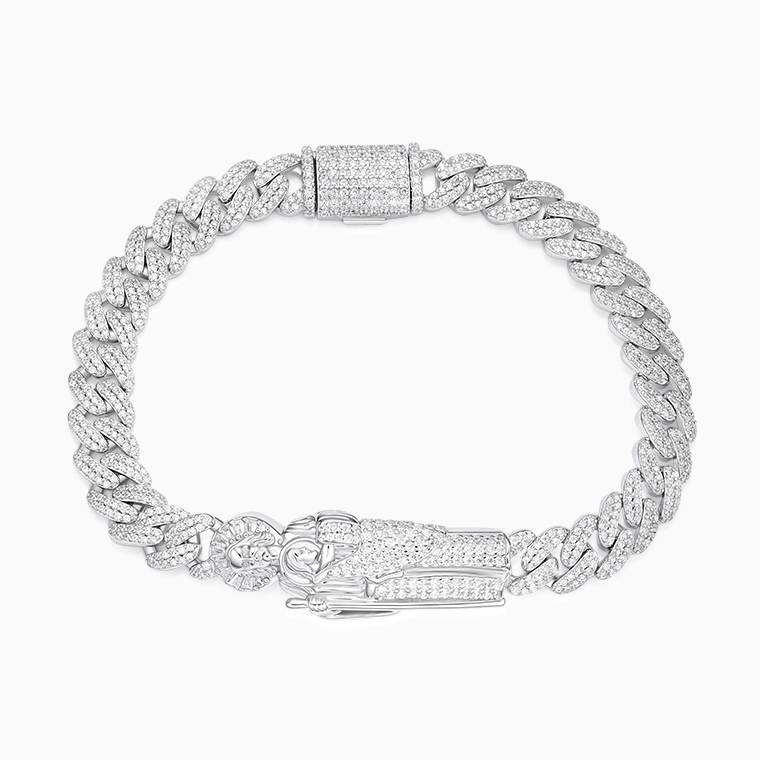
- Cuban link chains and bracelets;
- tennis chains and bracelets;
- custom logo pendants;
- letter and name pendants;
- photo pendants;
- rings and earrings;
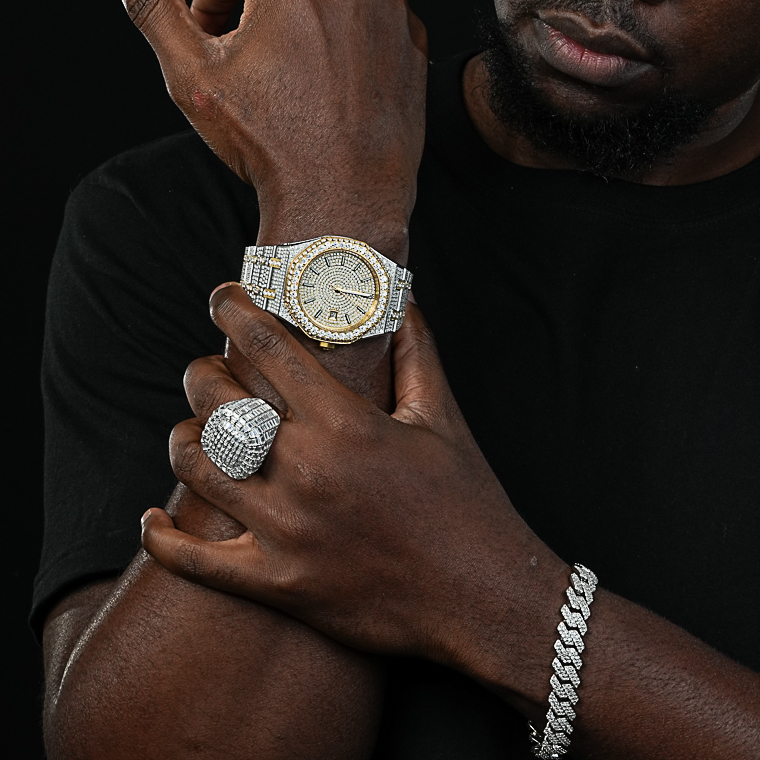
- iced-out watches and watch accessories;
- grillz;
- religious and cultural pendants;
- three-dimensional character jewelry;
- private-label jewelry collections.
These products may be manufactured from brass, stainless steel, 925 sterling silver, gold or other metals. Stone options commonly include cubic zirconia, moissanite, laboratory-grown diamonds and natural diamonds.
A manufacturer that performs well with a simple stainless-steel chain may not necessarily have the design, casting and stone-setting ability required for a detailed moissanite character pendant. Buyers should therefore evaluate suppliers according to the exact products they intend to manufacture.
1. Look for Real Manufacturing Capability
A supplier website may use the words “manufacturer,” “factory” or “wholesaler,” but those words alone do not prove that the supplier controls production.
Before placing an order, ask:
- Which production processes are completed in-house?
- Does the company have its own CAD designers?
- Who produces the wax model and mold?
- Where are casting, polishing and stone setting completed?
- Is electroplating performed internally or by a partner?
- Who conducts final inspection?
- Can the supplier provide production photos or videos?
- Can a buyer arrange a live video factory tour?
A capable custom manufacturer should be able to explain the complete route from design to delivery. The explanation should be specific enough for buyers to understand which team is responsible for each stage.
Shining Star Jewelry operates an integrated custom jewelry process that covers consultation, CAD modeling, wax-model production, sampling, casting, polishing, stone setting, plating, quality inspection and order delivery. Buyers can submit a sketch, logo, photograph or reference image for design evaluation.
This coordinated process is important because every handoff between unrelated suppliers can create delays or misunderstandings. If CAD design, casting, stone setting and inspection are managed separately without a clear production standard, the finished product may differ from the approved concept.
2. Evaluate the Custom Design Process
A professional manufacturer should not immediately promise that every reference image can be copied exactly.
Before production, the design must be evaluated for:
- dimensions;
- weight;
- metal thickness;
- stone sizes;
- stone-setting structure;
- bail dimensions;
- chain compatibility;
- logo visibility;
- casting feasibility;
- comfort and wearability;
- target production cost.
A pendant may look attractive in a two-dimensional image but still require structural changes. Thin letters may not cast cleanly. Stones placed close to an edge may be difficult to secure. A large bail may disrupt the visual balance, while a small bail may not fit the intended chain.
The manufacturer should explain these issues during CAD development rather than waiting until the sample has been completed.
Buyers should always request a clear approval process. The factory should confirm the final CAD rendering, dimensions, materials, stones, plating color, engraving and back structure before moving into physical production.
3. Compare Materials, Not Just Prices
Two quotations for a similar-looking Cuban chain may represent completely different products.
Price can change according to:
- brass, stainless steel, silver or gold base metal;
- metal weight and construction;
- solid, hollow or partially hollow structure;
- CZ, moissanite or diamond stone selection;
- stone size and quantity;
- hand-setting or other setting methods;
- plating color and specification;
- clasp design;
- logo customization;
- packaging;
- order quantity.
A low quotation is not automatically a better offer. The buyer must determine whether the suppliers are quoting the same specification.
For example, a brass and CZ pendant may suit an accessible fashion collection, while a 925 sterling silver and moissanite pendant may be positioned as a more premium product. Neither specification is universally better. Each serves a different target market.
A reliable manufacturer should explain how changes in materials affect appearance, durability, weight, production time and cost.
4. Use the Sample as a Production Standard
The sample is one of the most important stages in supplier selection.
A good sample should not only look attractive in photographs. It should also demonstrate that the design is ready for repeat production.
When evaluating a sample, check:
- finished dimensions and weight;
- logo and lettering accuracy;
- surface smoothness;
- polishing quality;
- stone alignment;
- stone security;
- plating color;
- plating consistency;
- bail and chain compatibility;
- clasp operation;
- engraving;
- sharp edges;
- comfort during wear;
- packaging fit.
Buyers should compare the sample with the approved CAD file and written specification.
If revisions are necessary, provide measurable comments. “Make it more premium” is difficult to execute. “Increase the pendant thickness, reduce the gap around the center stones and use a warmer gold tone” gives the manufacturer actionable instructions.
Once approved, the physical sample and final specification should become the reference standard for bulk production.
5. Investigate the Quality-Control System
“High quality” is a marketing statement unless the manufacturer can explain how quality is inspected.
For iced-out hip hop jewelry, quality control may include:
- incoming material checks;
- wax-model and mold inspection;
- casting inspection;
- checking soldered connections;
- rough polishing inspection;
- final polishing inspection;
- stone-setting checks;
- plating inspection;
- clasp or hinge testing;
- logo and engraving verification;
- final visual inspection;
- quantity and packaging checks.
Ask the supplier what happens when a product does not meet the approved standard. Is it repaired, replated, reset or remade? Who authorizes acceptance?
Shining Star Jewelry describes a multi-stage quality-control process covering raw materials, casting, wax setting, polishing, plating and final inspection. For buyers, the practical value of such a system is consistency: the bulk order should correspond closely to the approved sample.
Buyers should still define their own critical acceptance points. A retailer selling premium moissanite jewelry may require different inspection criteria from a seller offering price-sensitive fashion pieces.
6. Understand the MOQ Correctly
MOQ means minimum order quantity, but the number may apply in several ways:
- per design;
- per color;
- per size;
- per material;
- per plating option;
- per package design;
- per complete order.
A supplier advertising a low MOQ may still require higher quantities for customized packaging, uncommon plating colors or specially produced components.
For eligible Shining Star Jewelry wholesale products, the minimum quantity is generally around 20–30 pieces, depending on the product and manufacturing process. One-piece customization may also be available for design development or sample evaluation.
The exact MOQ should be confirmed after the product specification is known. A standard stock item and a fully customized silver-and-moissanite pendant do not have the same production requirements.
7. Confirm a Realistic Production Schedule
Buyers should separate four different time periods:
1.Design and CAD development- Wax model or prototype preparation
- Physical sample production
- Bulk manufacturing
For a typical custom project, Shining Star Jewelry generally requires approximately one to two weeks for the physical sample. Bulk manufacturing normally takes around two to four weeks after sample approval.
Actual production time depends on the design, material, stone setting, quantity, revisions, plating and packaging.
A reliable supplier should explain what starts the production clock. Does the lead time begin after the deposit, CAD approval, sample approval or material confirmation? This definition should appear in the quotation or purchase agreement.
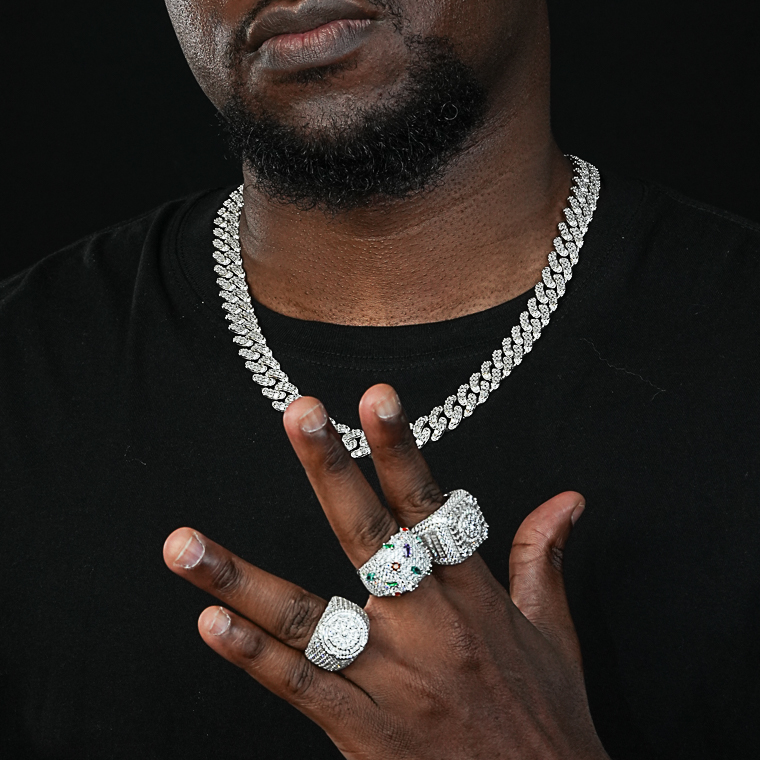
8. Test Communication Before Placing a Large Order
Communication quality during the inquiry stage often predicts what will happen during production.
A professional supplier should be able to:
- summarize the buyer’s requirements;
- identify missing information;
- explain technical limitations;
- provide a written quotation;
- define what is included;
- confirm approval points;
- give realistic progress updates;
- document revisions;
- respond clearly when a problem occurs.
Be cautious if the supplier avoids technical questions, changes specifications without explanation, or communicates only through vague promises.
Before placing a large order, buyers can test the supplier with one design or a small trial order. This reveals how the company handles design confirmation, sampling, revisions, inspection and delivery.
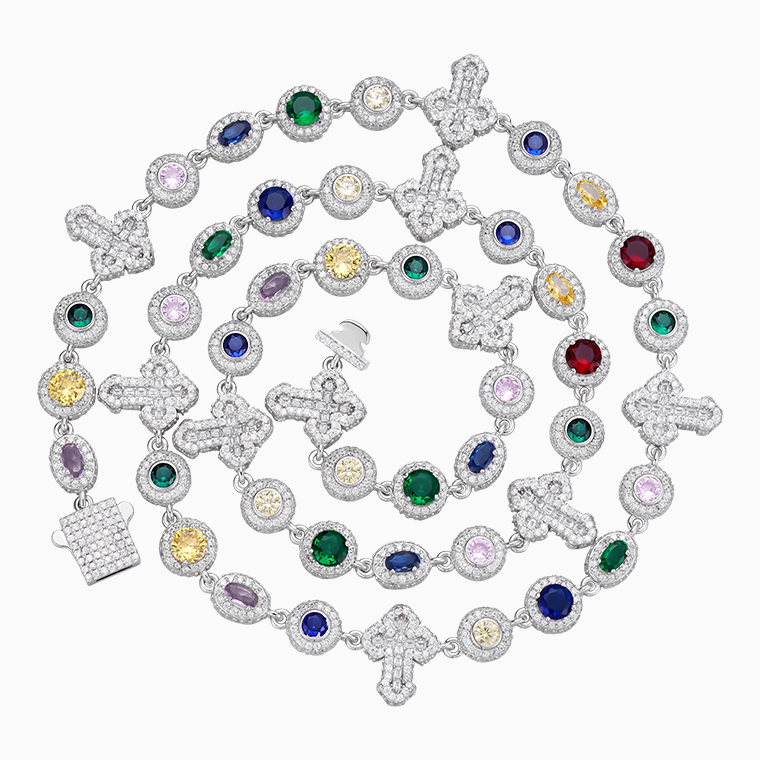
Warning Signs When Choosing a Supplier
Potential warning signs include:
- prices far below comparable quotations without a technical explanation;
- refusal to provide material details;
- inconsistent company names or contact information;
- copied factory photographs;
- inability to explain production stages;
- pressure to pay before specifications are confirmed;
- no written sample-approval process;
- promises that every design can be produced immediately;
- unclear responsibility for defective products;
- certificates that cannot be verified;
- unwillingness to show current production work.
One warning sign does not automatically prove that a supplier is unreliable, but several together justify additional investigation.
China or USA: Which Manufacturing Location Is Better?
The answer depends on the buyer’s priorities.
A local US manufacturer may offer easier showroom access, local communication and shorter domestic shipping. However, costs may be higher and some companies still outsource part of their production.
A Chinese hip hop jewelry manufacturer may offer broader material choices, established jewelry supply chains, customization capacity and more competitive production costs. International buyers must nevertheless evaluate communication, intellectual-property protection, logistics and quality control carefully.
The location itself does not determine reliability. The buyer should evaluate the actual factory, production system and commercial terms.
Questions to Ask Before Ordering
Before selecting a manufacturer, ask:
1.Can you manufacture this design in my preferred material?2.What information do you need before preparing a quotation?
3.What is the MOQ for this exact specification?
4.Is the sample fee separate from bulk production?
5.What revisions are included?
6.How long will CAD design, sampling and bulk production take?
7.Which processes are completed in-house?
8.How do you inspect stone setting and plating?
9.How will the approved sample be used during bulk production?
10.What happens if delivered products do not match the approved specification?
11.What packaging and shipping options are available?
12.Can we sign an NDA for an original design?
Final Checklist
The best hip hop jewelry manufacturer should provide:
- relevant product experience;
- transparent material specifications;
- a structured CAD and approval process;
- a physical sample;
- documented quality-control stages;
- an appropriate MOQ;
- realistic lead times;
- responsive communication;
- clear commercial terms;
- evidence that supports its claims.
Shining Star Jewelry works with wholesalers, jewelry brands, retailers, designers and e-commerce sellers on custom and wholesale hip hop jewelry projects. Buyers can submit a logo, sketch, product image or specification for evaluation.
To receive a useful recommendation, include the desired product type, dimensions, material, stone, plating color, quantity, target market and required delivery date when submitting an inquiry through Shining Star Jewelry.
Frequently Asked Questions
What is the best material for hip hop jewelry?
Brass is frequently used for accessible fashion pieces, while 925 sterling silver is common in higher-value collections. Stainless steel offers good resistance to everyday wear but may have different customization limitations. Gold is used for luxury products. The right material depends on the design, target price and customer expectations.
Is moissanite better than CZ?
Moissanite is harder and normally maintains its brilliance better during regular wear. CZ is more affordable and suitable for price-sensitive fashion collections. Neither is automatically better for every wholesale product.
Can I order one custom pendant before bulk production?
Some manufacturers, including Shining Star Jewelry, can support one-piece customization or sample development. Confirm the sample cost, revision scope and future bulk MOQ before beginning.
How long does custom hip hop jewelry take?
A finished sample commonly requires around one to two weeks, while bulk production may take approximately two to four weeks after approval. Complex structures, special materials, larger quantities and custom packaging may extend the schedule.
How can I verify a jewelry manufacturer?
Review its company information, factory evidence, production process, sample quality, material documentation, communication and commercial terms. A live factory video call and trial project can provide additional evidence.