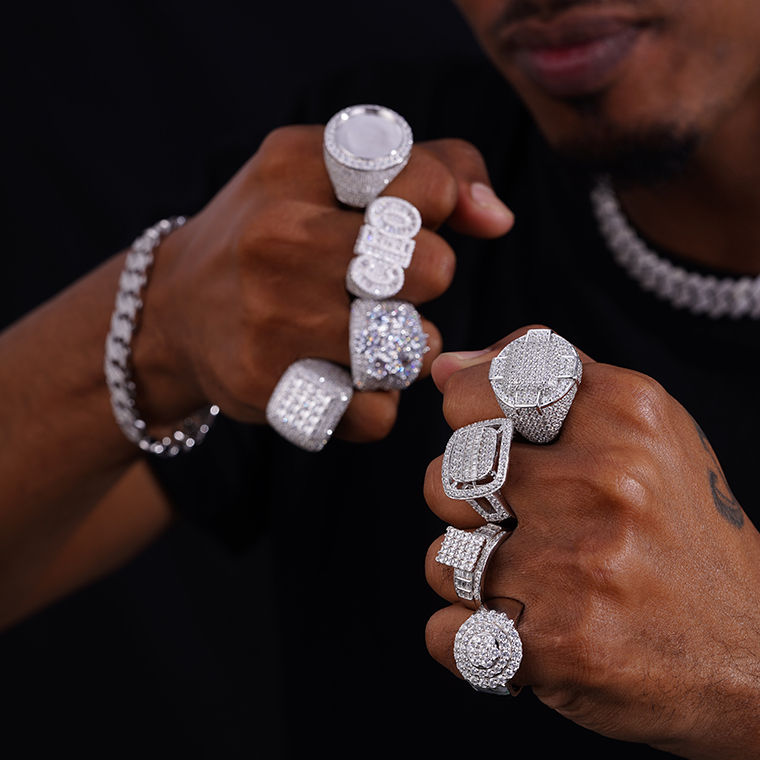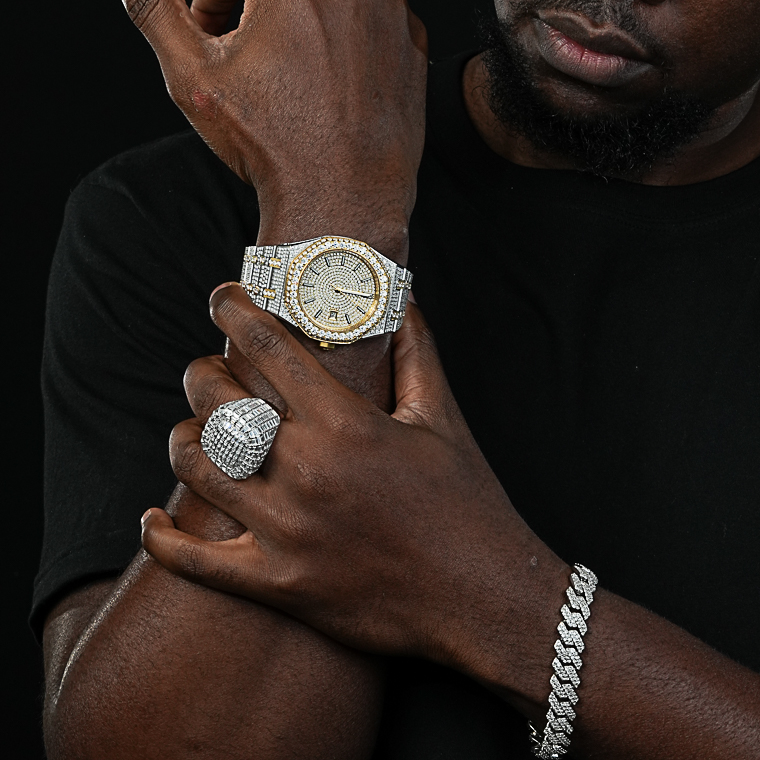






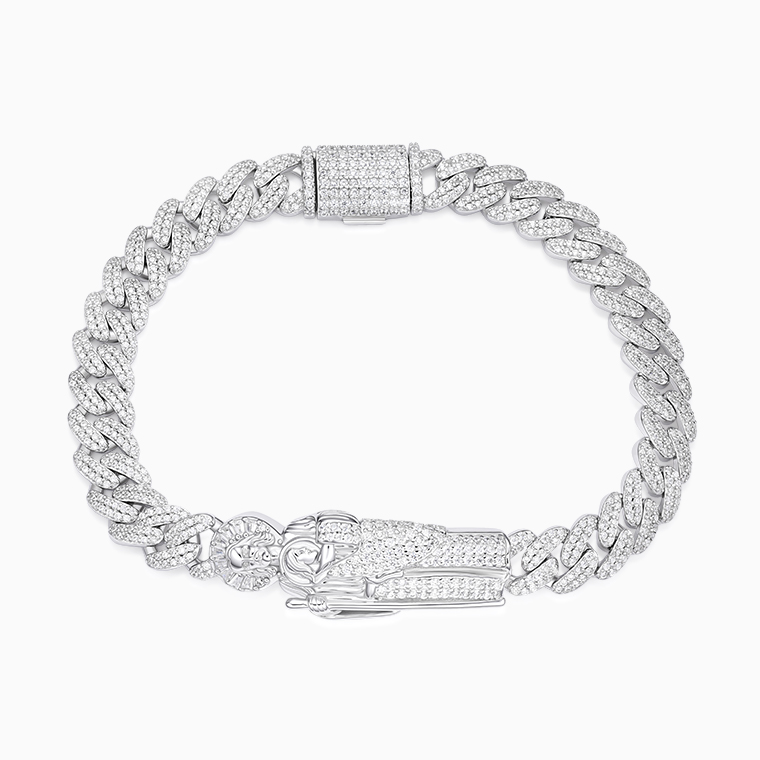
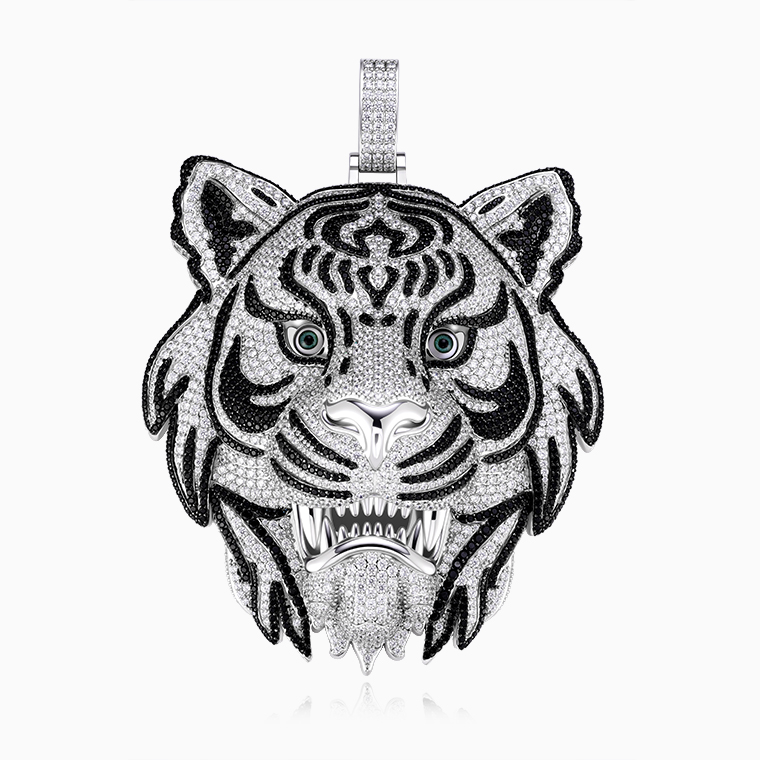

Say you sell two gold Cuban chains with the same width and length. One has a heavier feel and costs more to replace. The other keeps the profile customers like at a price more of them can afford. If the heavier chain brings in more revenue, would you give it more space in the case? Before making that decision, I’d want to know how many of each chain sold, what customers actually paid, and what the supplier would charge for the next batch. Those are three different numbers, and all three matter when planning a wholesale hip-hop jewelry assortment for 2027.
What a Sales Total Can Leave Out
The World Gold Council’s third-quarter report gives a useful example. Worldwide gold jewelry demand was valued at about $43 billion in Q3 2026, up 2% from the same quarter a year earlier. Over that period, the amount of gold consumed in jewelry fell 17%, to about 313 metric tonnes. Over the first nine months, the gap was wider: demand value rose 15% to nearly $130 billion, while gold consumption by weight fell 19% to 889 metric tonnes. The report also notes that customers in many markets shifted toward smaller, lighter, or lower-karat pieces as high prices squeezed budgets.
The tonnage figures measure the gold content of jewelry, so they don’t tell us how many necklaces, bracelets, or rings shoppers bought. At store level, you can answer that question directly. If gold-chain revenue rose after you raised prices, pull the unit sales for each version. You might find that the heavier chain produced more revenue per sale while the lighter chain sold more units at full price. That tells you more about where to put your next order than the combined sales total does.
Silver calls for a similar check. In November 2026, the Silver Institute forecast that global silver jewelry demand by weight would fall 22% in 2026. That is a full-year forecast for the broader silver jewelry market. For a retailer, the immediate question is what a replacement batch of a specific product costs today. A sterling silver chain can be profitable at the price you paid for the stock on hand and harder to price after the supplier updates the quote. Ask how long the new quote is valid and whether it is based on a confirmed or estimated finished weight.
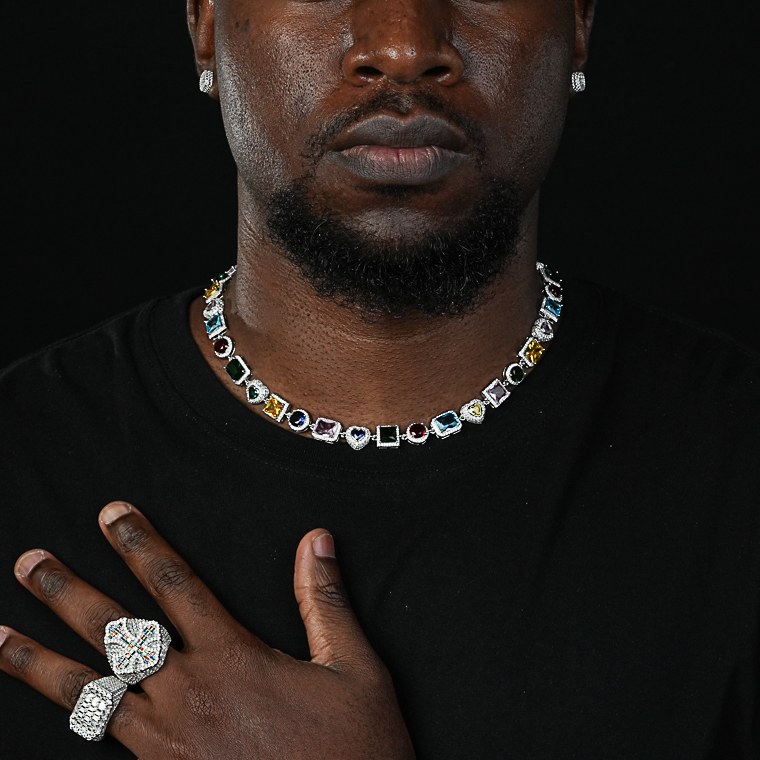
Three Ways to Change the Price of a Cuban Chain
In hip-hop jewelry manufacturing, the same Cuban link silhouette can be engineered for several price tiers. The changes below can all affect the quote, and each changes something different about the product a customer takes home.
|
Manufacturing decision |
What changes |
What the retailer should verify |
|
Reduce finished weight within the same gold karat |
The amount of gold alloy used in the piece |
Finished weight, link profile, construction, and how the chain drapes |
|
Change the gold karat |
The proportion of gold in the alloy |
Karat, finish color, and whether the product description matches the specification |
|
Use gold plating over another metal |
The underlying material and the role of gold in the piece |
Base metal, plating specification, and how both are described to customers |
14K gold contains 14 parts gold out of 24, or about 58.3%. 18K gold contains 18 parts out of 24, or 75%. At the same alloy weight, the 18K piece contains more gold. At the same karat, a heavier piece contains more gold. On a chain described as 14K gold-plated, the karat refers to the gold used in the surface layer. If the underlying metal is sterling silver, commonly marked 925, that base contains 92.5% silver. Composition explains part of the price. A finished quote also reflects construction, fabrication, and finishing.
If you’re trying to reach a lower retail price, ask to handle two alternatives. One might keep the original karat and reduce the weight. Another might keep the intended silhouette and change the base metal. Look at the chains outside the display case. See how each one drapes, how the links move, and how the clasp feels in the hand. Those differences are easier to assess on a sample than in a cropped product photo.
When the Stones Set the Price Tier
A higher quote for a moissanite pendant can include more than a change of stone. The supplier may also have switched from plated brass to sterling silver, added stones to the sides, or included a chain. Ask for the CZ and moissanite versions on the same specification wherever possible. If one stone option requires a different setting, have the supplier price that change separately. For mixed-stone pieces, record which stone is used in each position so you can describe the product accurately.
What you show the customer depends on the piece. On a pendant with a prominent center stone, a close-up can show the detail that justifies putting the two versions on separate product pages. For a fully set tennis bracelet, show the whole row of stones and how the bracelet moves on the wrist. If one version costs more, shoppers should be able to find the reason in the photographs and specifications.
Price the Next Batch Before You Promote the Current One
For a style you intend to keep in the catalog, run the margin calculation twice using the selling price customers usually pay after discounts. First use the landed cost of stock already on hand. Then use the latest landed-cost estimate for the same specification. If the second calculation leaves too little room, decide whether the retail price can move, the product can be revised, or the style makes more sense as a limited buy. That decision is easier to make before the current batch sells out.
For wholesale hip-hop jewelry buyers planning for 2027, market data can explain why metal weight and affordability matter. Your own sales records and comparable supplier quotes tell you where that pressure shows up in your assortment. Start with one design and request two versions. Ask the supplier to list the base metal, finished weight, construction, stone type, and order quantity for each, along with pricing for the first batch and a repeat order. You’ll be able to see what the customer gets at each price and what it will cost to keep that version available.