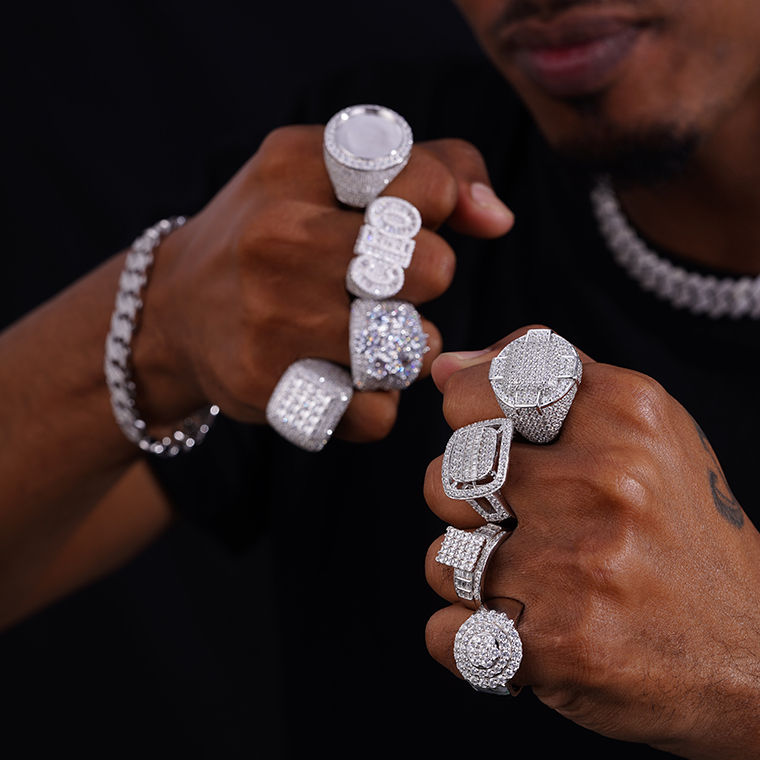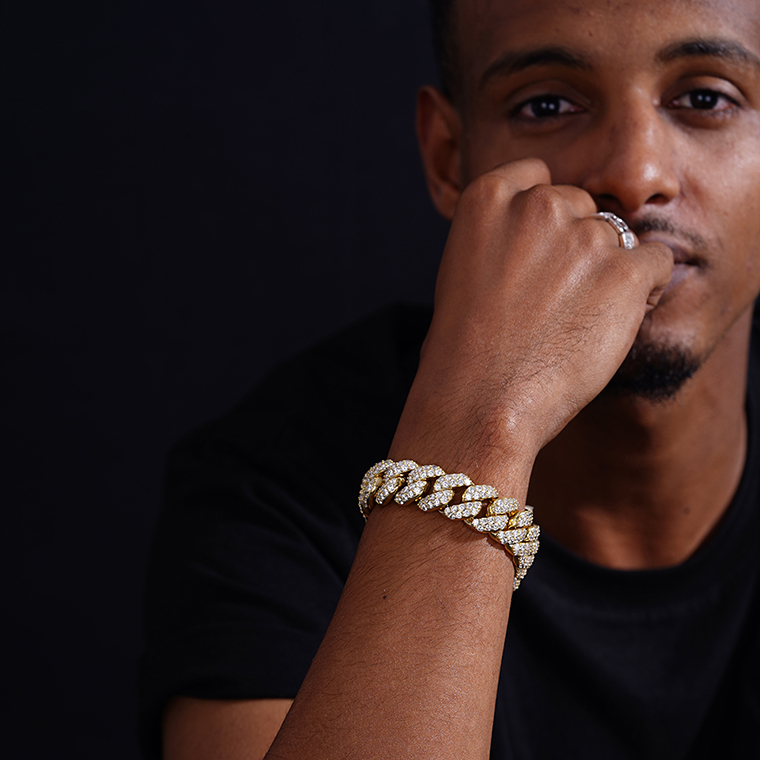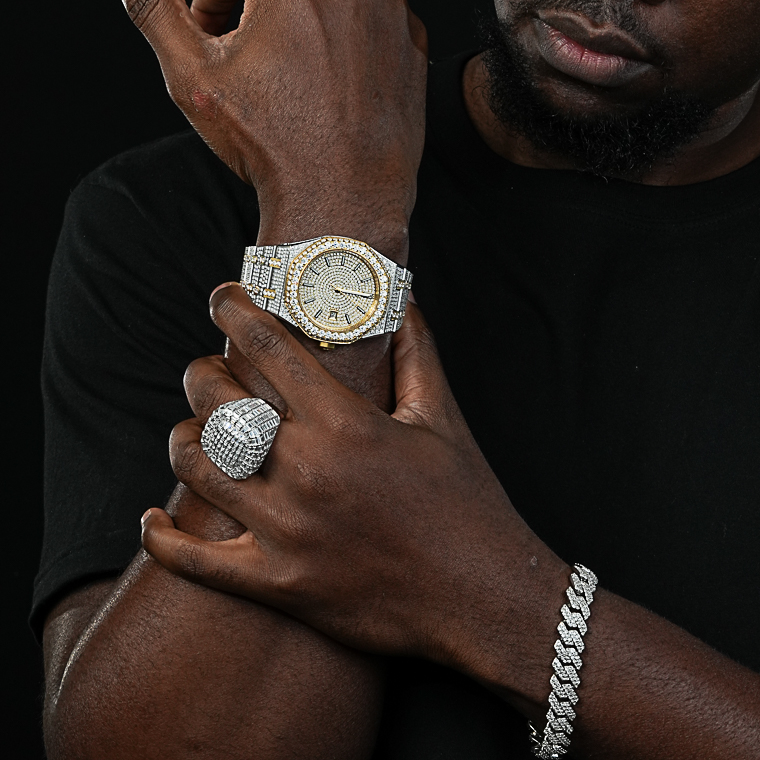






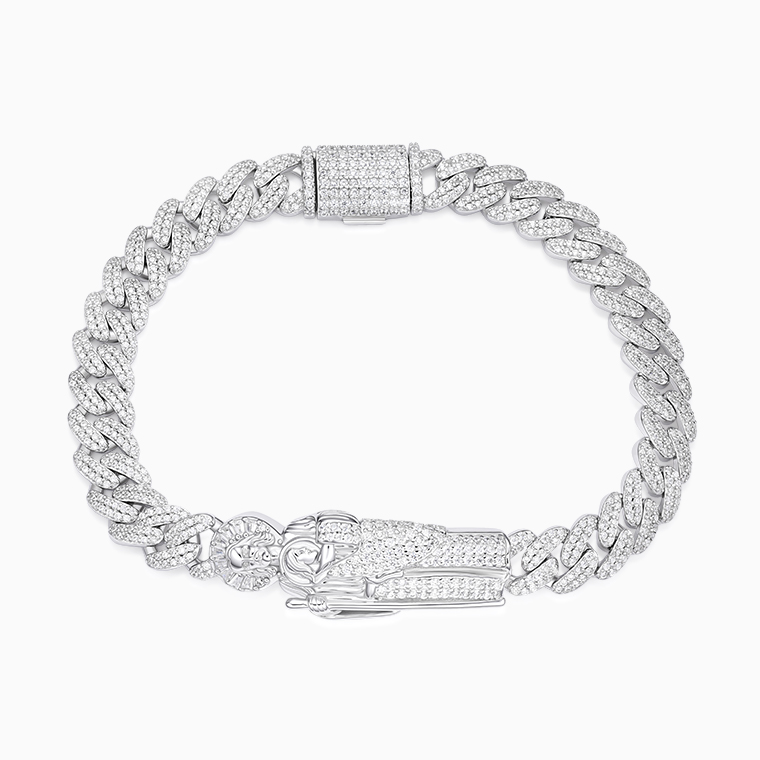
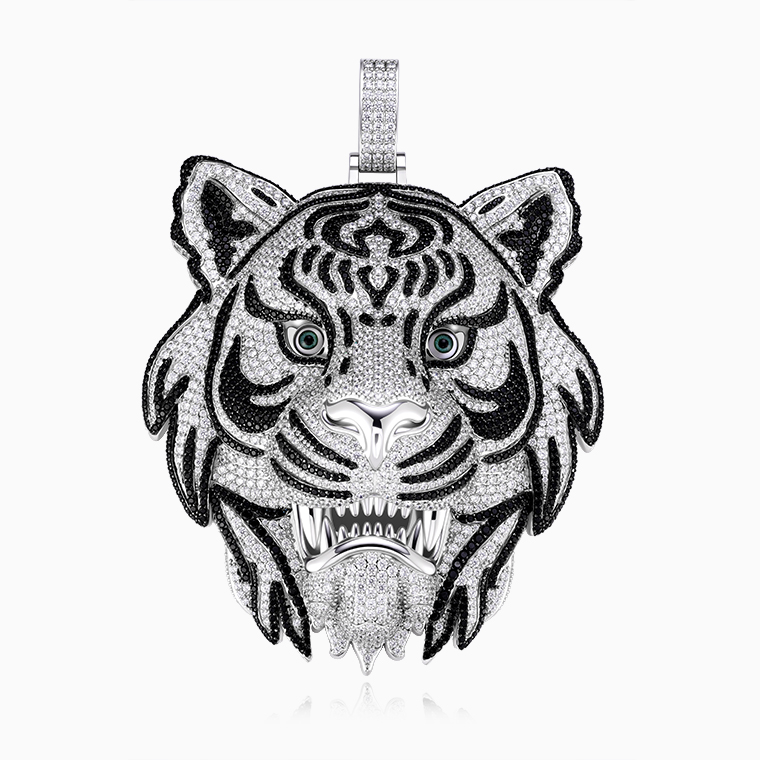

A Cuban link chain can look great in a product photo. Nice shine, clean links, a solid-looking clasp. For someone buying one necklace, that might be enough to make a decision. But when you're ordering Wholesale Cuban Link Chains for a jewelry store, there's quite a bit more to think about.
We've had buyers ask about a chain simply by sending us a picture and saying, "Can you make this one?"
Usually, we can understand the style they're looking for. What we can't tell from the picture is exactly how they want the chain made.
Does the customer want a lighter chain for everyday wear, or something heavy that feels substantial? Are they looking for copper or sterling silver? Do they want the same clasp shown in the picture?
Those questions may sound minor, but they can lead to very different products.
The Same 12mm Chain Isn't Always the Same Chain
Let's say two suppliers are offering a 12mm Cuban link necklace.
The photos look similar. Both chains are gold-colored, both have polished links, and both are listed at the same length.
One quotation is noticeably cheaper.
It's tempting to compare the prices straight away, but we'd want to know a little more first.
How thick are the links? What material is being used? Is the chain solid or made with a lighter construction? What does the finished necklace weigh?
A chain that looks substantial in a photograph can feel surprisingly light when someone picks it up. That's not necessarily a problem. Some customers actually prefer lighter jewelry.
The problem comes when the retailer expects one type of chain and receives another.
We've found that discussing weight early makes these conversations much easier. It gives both sides a better idea of what the finished product should feel like.
Length matters too.
A 20-inch Cuban link chain sits differently from a 24-inch one. Customers also have different preferences about how closely a necklace should fit around the neck.
If you're selling several lengths of the same style, it's worth checking the proportions rather than assuming that every version will look identical.
A Clasp Can Change How Customers Feel About the Whole Necklace
People often spend a lot of time looking at the front of a Cuban link chain. The clasp doesn't always get the same attention.
We think it deserves more.
Imagine a customer buying a fairly heavy necklace. They like the design and the weight, but every morning they struggle to close the clasp.
After a while, that small inconvenience becomes part of how they judge the jewelry.
For us, the clasp isn't just something attached to the end of the chain. It has to work with the weight and structure of the necklace.
A box clasp may suit one design, while another construction calls for something different. The important thing is that the mechanism works properly and the connection points are suitable for the chain.
We also look at how the clasp fits visually with the links.
On some custom designs, buyers want a larger clasp with stones or a logo. That's possible to explore, but adding decoration changes what needs to be checked during production.
A clasp with stones needs attention to the setting. A larger clasp may change the balance of the chain. Even a small adjustment to the connection can affect how the necklace hangs.
These are easier things to deal with when we're working on a sample, not after the full order has been produced.
Gold Color Is Not a Complete Plating Specification
Here's a situation that's easy to imagine.
A retailer orders a batch of gold-tone Cuban link chains. They sell well, so the retailer places another order a few months later.
The second batch arrives. The chains look good on their own, but when placed beside the earlier products, the gold color isn't quite the same.
For a customer buying a single necklace, that difference might never come up.
For a store selling matching necklaces and bracelets, it can be frustrating.
That's why we prefer not to treat "yellow gold" as a complete finishing instruction.
The base metal, polishing work, plating process, and coating specifications can all influence the finished appearance.
Even the surface underneath the plating matters. A poorly polished area doesn't become smooth simply because a coating has been applied.
With Cuban link chains, we pay particular attention to the spaces between the links. Those areas are easy to overlook when inspecting the necklace from the front.
If a buyer wants to reproduce an earlier finish, an approved physical sample is useful. It gives us something more specific to work toward than a color name or a photograph taken under unknown lighting.
What Changes When Stones Are Added?
Plain Cuban link chains already involve several manufacturing decisions. Iced-out designs add another layer of work.
A retailer might request a fully iced-out chain with cubic zirconia or moissanite stones.
The first discussion is usually about appearance. How much of the chain should be covered? What stone size should be used? Should the clasp have stones too?
But there are practical questions behind that design.
Cuban link chains have moving parts. The links need to sit together properly, and the stone settings need to suit the available space.
Sometimes a design looks excellent in a rendering, but the actual link geometry needs adjustment before it can be manufactured as intended.
Stone spacing can be particularly tricky around curved sections and smaller decorative areas.
We also have to consider polishing and cleaning. Once stones have been set, some surfaces become harder to reach.
At Shining Star Jewelry, we work with both cubic zirconia and moissanite in custom hip hop jewelry production. The choice isn't only about price. Buyers also need to consider the appearance they want, their target customers, and the requirements of the design.
Stone security is another point worth discussing before an order is placed.
A stone can look correctly positioned from the front without that appearance alone proving the setting is secure.
The setting method, surrounding metal, and inspection process all matter. No stone-set necklace is completely immune to damage from impact or wear, but manufacturing and inspection decisions can help reduce avoidable problems.
For a retailer, it's better to discuss these expectations during sample development than after customers start wearing the jewelry.
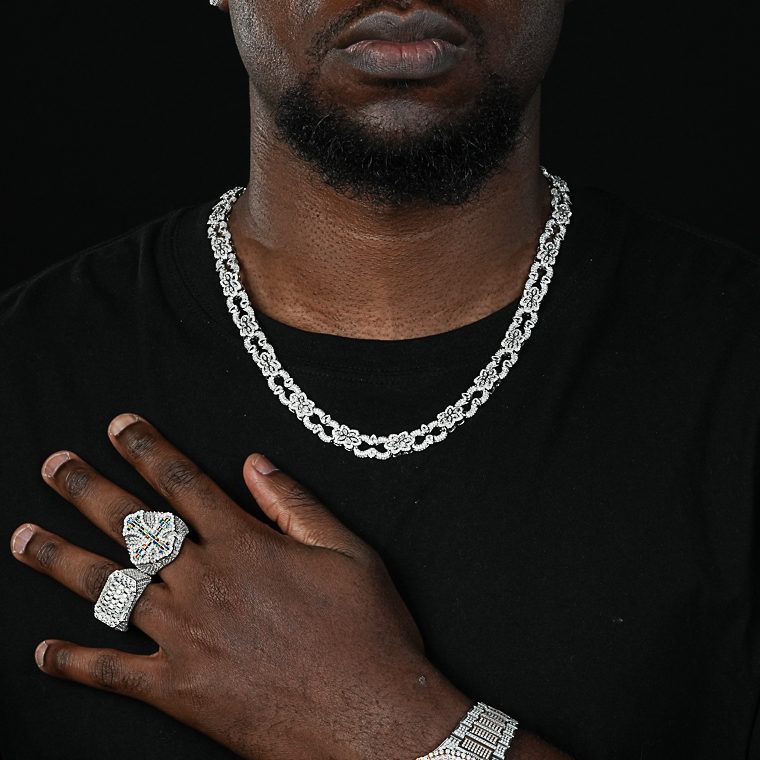
Don't Decide Everything From a Catalog Picture
We've seen how easily buyers can become focused on photographs.
That's understandable. Most wholesale purchasing conversations begin with images.
But a photograph doesn't show how a chain moves in someone's hands. It doesn't tell you whether the edges feel smooth against the skin, or whether the clasp takes too much force to open.
This is where a sample becomes useful.
When we're developing a custom Cuban link chain, we want the buyer to look beyond the overall appearance.
Hold the necklace up and see how the links hang. Lay it flat and check how the chain settles. Open and close the clasp a few times.
If it's a stone-set design, look closely at the transition between the links and the decorative surfaces.
There's no need to turn every sample review into a complicated technical exercise. A few practical checks can reveal details that are difficult to judge from photos alone.
And if something needs changing, it's much better to find out while we're still discussing the sample.
A customer may ask for a slightly heavier pendant to go with the chain, a different clasp shape, or a more noticeable gold finish.
Those requests can affect material usage, construction, manufacturing steps, and cost. We'd rather explain those changes before production than leave the buyer with an unexpected result.
Think About the Second Order, Not Just the First
This is something retailers sometimes overlook when sourcing Wholesale Cuban Link Chains.
The first order is important, of course. You're comparing suppliers, reviewing samples, and trying to find a product your customers will buy.
But what happens if it sells really well?
You may need another 50 pieces, or 200, or a larger quantity. And you'll probably want the same chain again.
Not something close to it.
The same width, similar weight within the agreed tolerances, the same clasp construction, and a finish that matches the approved standard.
That's much easier when the original specifications have been recorded properly.
For custom jewelry, we encourage buyers to settle the important details before bulk production begins. That includes the dimensions, material, weight expectations, stone specifications where applicable, clasp design, and finishing requirements.
A physical reference sample can also help when reviewing later production batches.
There will always be manufacturing tolerances, particularly with products that involve several finishing operations. What matters is agreeing on acceptable variation rather than assuming every detail will reproduce itself automatically.
At Shining Star Jewelry, we support OEM and ODM jewelry projects for wholesalers, retailers, and brands. Some buyers already have a finished design and need a manufacturing partner. Others are developing a collection and want to adjust an existing style.
The conversations are different, but the underlying concern is often the same: they want to know what they're going to receive, and whether they can order it again.
A Cheaper Quote Doesn't Always Mean a Better Purchase
We're not suggesting that buyers should ignore price. Wholesale pricing matters, especially when a retailer has to account for shipping, inventory, marketing, and the final selling price.
But it's worth understanding what you're comparing.
If one quotation is based on a lighter copper chain and another is based on a heavier sterling silver design, the difference in price doesn't tell you which manufacturer is offering better value.
The same applies to stone selection, link construction, polishing requirements, and custom clasps.
Even order quantity can change the calculation.
A standard chain that's already part of a manufacturer's production range may have different minimum order requirements from a new design that needs custom development.
We usually find it more productive when buyers tell us where they want to position the finished jewelry.
Is it an affordable fashion accessory? A heavier statement piece? A moissanite collection aimed at customers willing to spend more?
Once we understand that, it's easier to discuss suitable materials and construction options.
Sometimes a retailer doesn't need the most expensive specification. They need a chain that makes sense for the customers shopping in their store.
And that's an important distinction.
Working With Shining Star Jewelry
We manufacture hip hop jewelry for wholesale buyers and businesses developing their own collections.
Cuban link chains are part of that wider work, alongside pendants, bracelets, rings, and other custom jewelry styles.
Some customers come to us with a clear specification. Others have a reference photo and an idea of what they'd like to sell.
Either approach is a reasonable starting point.
We can discuss materials, dimensions, stone options, custom design requirements, and production considerations before an order moves forward.
What we try to avoid is making decisions based entirely on how a product looks in a photograph.
A chain has to be manufactured, finished, inspected, packed, and eventually worn by somebody. Each of those stages can expose details that weren't obvious when the design was first discussed.
That's why we'd rather ask an extra question about the clasp or the weight at the beginning than deal with a misunderstanding after production.
Before You Place Your Next Order
If you're planning to purchase Wholesale Cuban Link Chains, take a closer look at the details that customers will notice once the jewelry is in their hands.
Check the material. Ask about the weight. Look at the clasp and how the links move. For iced-out designs, review the stone setting as carefully as the overall appearance.
And if you're planning to sell the same style over a longer period, make sure there's a clear reference for future orders.
At Shining Star Jewelry, we're happy to discuss these details with retailers, jewelry brands, and wholesale buyers looking for Cuban link chains or custom hip hop jewelry.
A good wholesale purchase isn't simply about finding a chain that looks right today. It's about choosing something you can confidently put in front of your customers, and order again when they come back for more.