





For a jewelry brand, these details deserve attention before a wholesale order is approved. Customers see the sparkle first, but they also notice how the chain sits, moves, and feels.
Working with a moissanite tennis chain manufacturer means developing both the appearance of the stone row and the connections beneath it. At Shining Star Jewelry, we approach these as related parts of the product. A consistent face-up appearance depends partly on how the settings are made; the way those settings connect determines how that appearance changes during wear.
Start with the Shape the Chain Should Hold
“Flexible” is a useful requirement, but it needs a little explanation. A tennis chain should follow the intended wearing curve without obvious rigid sections. At the same time, excessive movement between components can allow settings to twist or sit unevenly. The aim is controlled movement.Before sampling, buyers should specify the intended length, approximate width, preferred stone size, and how they expect the chain to be worn. At Shining Star, this gives the design discussion a concrete starting point.
Stone Alignment Begins with the Settings
An even row involves more than placing stones of the same nominal size next to one another. Each setting determines where its stone sits. If the seats vary, the finished row may show differences in height, spacing, or angle. Buyers should examine the relationship between the stones and their metal settings.For a moissanite tennis chain, the desired appearance is usually continuous. Small inconsistencies become easier to notice because the same component repeats along the entire piece.
Review Stone Dimensions Before Finalizing the Layout
A stone specification should identify more than the name “moissanite.” The design needs a defined shape and size, along with agreed appearance and quality requirements. If stone dimensions and setting geometry do not work together, the setter may have to compensate during assembly.The Connections Determine How the Chain Moves
The small connections between settings carry much of the responsibility for flexibility. Too little clearance can restrict movement; excessive freedom may allow unwanted twisting. Lay the complete sample on a clean surface in a gentle curve, lift it carefully, and observe how the settings settle.“The section beside the clasp remains stiff” is more actionable than “the chain needs to feel better.” Shining Star’s design and sample development capabilities support this focused discussion.
Inspect the Sides and Underside
The front receives most attention, but less visible surfaces help explain the chain’s behavior. Look at the sides of the settings and connecting areas. Check the underside for rough edges, uneven finishing, or differences between repeated components. These surfaces matter during wear because the chain rests against skin or clothing.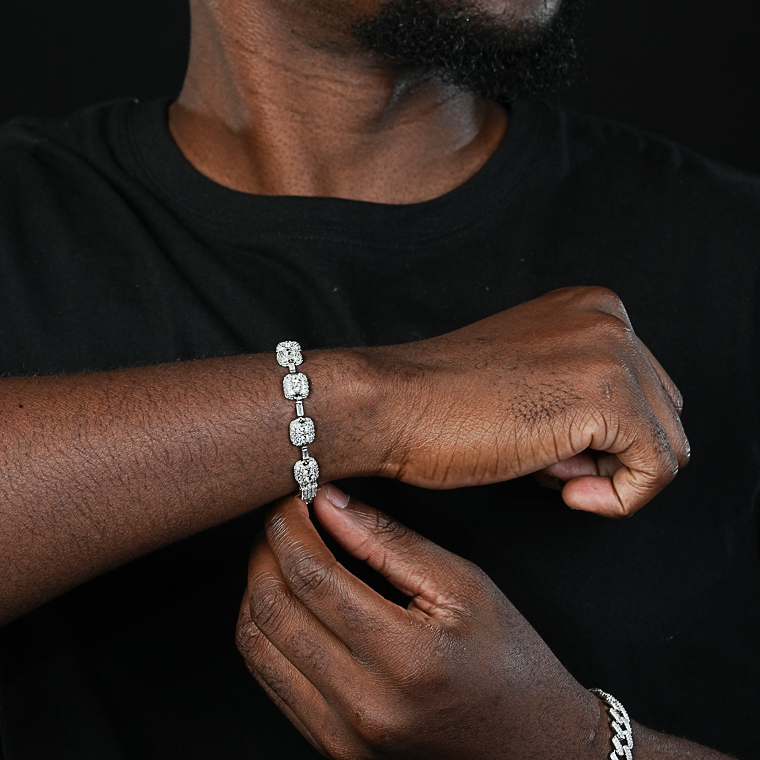
Give the Clasp Its Own Review
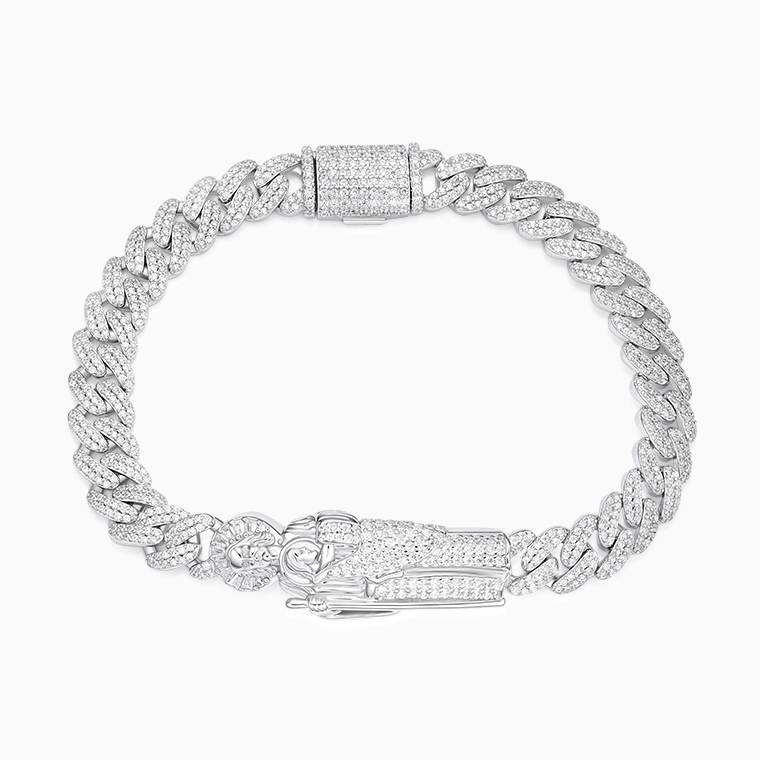
A clasp can interrupt an otherwise consistent chain. Review it open and closed. Check operation, adjoining movement, the transition into the chain, and any safety feature. If the clasp includes stones, compare their arrangement and height with neighboring settings.Ask for Sample Images That Show the Whole Product
A close-up sparkle video is useful for presentation, but it does not answer every development question. Request a complete face-up view, a relaxed curved view, side and underside details, clasp close-ups, and a short handling video showing how the chain bends and settles. Where possible, review the physical sample before bulk approval.Carry the Approved Details into the Production Order
Once the sample is accepted, record the chain length, width, stone specification, base metal, finish, clasp design, revisions, tolerances, and inspection requirements. Shining Star’s inspection resources include stone-setting security and tensile-testing equipment. Clear records are especially valuable for reorders.Developing Your Moissanite Tennis Chain with Shining Star
A well-developed tennis chain should present a consistent row of stones while moving naturally in its intended wearing position. Shining Star Jewelry supports custom and wholesale jewelry development through its design team, sampling capabilities, and manufacturing resources.To discuss a moissanite tennis chain project, send your preferred length, approximate width or stone size, base metal, finish, expected quantity, and reference images. Include specific expectations for the clasp and how the chain should sit. Those details give the sample a clear purpose: to show how the complete chain looks and moves before the design becomes a wholesale order.