






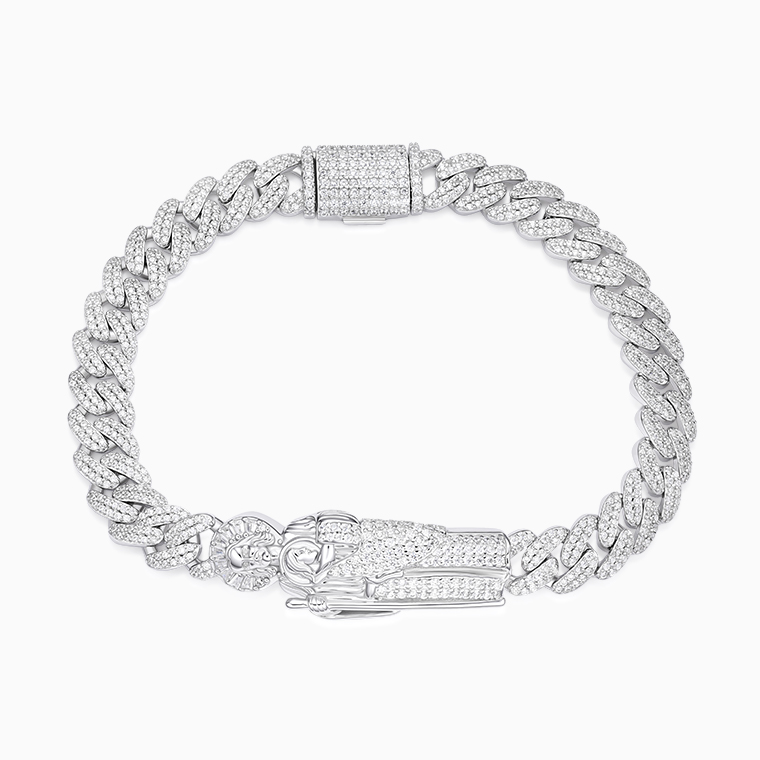
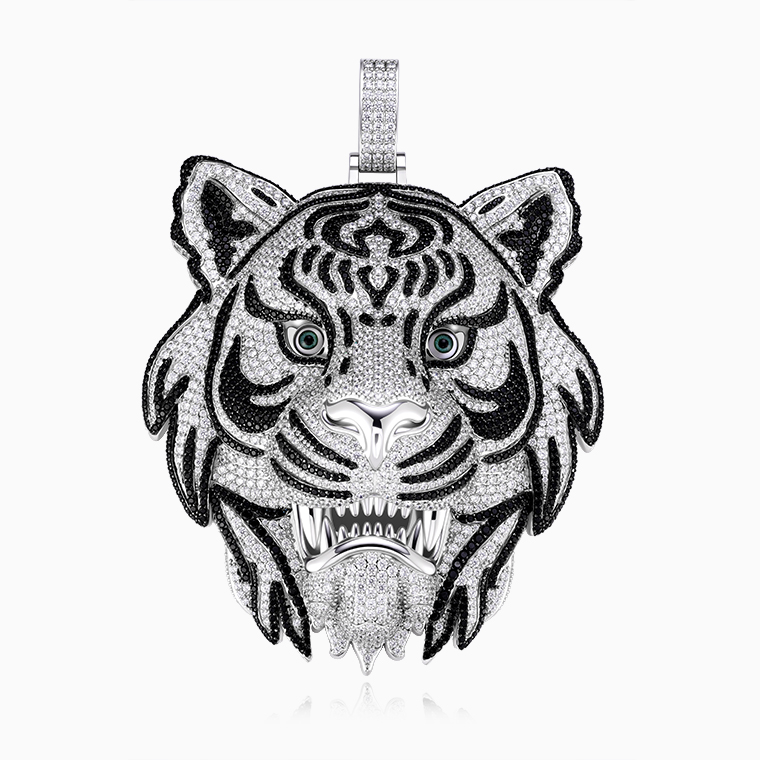

Seasonal promotions can create sharp changes in demand, so Hip Hop Jewelry Wholesale buyers need to plan inventory well before a promotion begins. The work includes more than estimating how many chains or pendants will sell. Buyers also need to allow time for design approval, sampling, production, shipping, and any unexpected delays.
The right plan depends on the retailer’s sales history, product mix, and campaign calendar. A simple timeline can help keep those decisions connected.
Start with the dates that matter to your customers
Retail calendars vary across the US, UK, and Europe, and individual retailers may run promotions on different schedules. In 2026, Black Friday falls on November 27 and Cyber Monday on November 30. Many retailers also run promotions before or after those dates, so buyers should use their own campaign schedule when planning inventory.
Other sales periods may include Valentine’s Day, Mother’s Day, Father’s Day, summer promotions, and post-holiday sales. Their timing and importance vary by market. Buyers selling internationally should map campaigns to each destination rather than assume one calendar fits every region.
Use past sales as a starting point
Review results from previous promotions by product and by sales channel. Which styles sold through? Which products attracted visits but converted poorly? Did a particular size or finish run out first?
It’s also helpful to compare promotional sales with ordinary sales. A product that sells steadily throughout the year may need a different stock plan from one that performs mainly during a specific campaign.
Use those patterns to create a demand estimate, then adjust it for planned marketing, new products, and changes in the retailer’s audience.

Divide the collection by its role
Not every item needs the same inventory commitment. Buyers can group products into practical categories:
- Core styles: proven products that sell across multiple seasons
- Campaign styles: items selected for a particular promotion or gift period
- New or experimental styles: designs with limited sales history that may need a smaller initial order
This approach helps buyers avoid committing too much stock to an untested design while still preparing enough inventory for products with a reliable sales record.
Plan production and shipping backward from the sale
Work backward from the date products need to be available for customers. Include time for confirming specifications, approving samples, production, inspection, shipping, customs processing where applicable, and warehouse receiving.
Custom jewelry can require more preparation than a repeat order. A new pendant or stone layout may need design review and sampling before production begins. Buyers should share their product requirements and target delivery dates early so that the manufacturer can discuss a realistic schedule.
For seasonal orders, leaving a buffer can help absorb delays without disrupting the campaign.
Balance availability with inventory risk
Ordering too little can mean missed sales during a short promotion. Ordering too much can tie up cash and leave the retailer with stock that may be difficult to sell afterward.
A buyer can manage that risk by prioritizing proven styles, limiting quantities for new designs, and reviewing whether selected products can continue selling after the promotion. Reorder options may also be worth discussing, though the time needed to produce and ship a repeat batch should be considered.
Returns and customer feedback from earlier orders can improve the forecast. If a style sold well but generated repeated complaints about fit or weight, buyers may want to address those issues before increasing the next order.
Confirm specifications before the rush
Seasonal deadlines leave less room for last-minute changes. Before production, confirm sizes, materials, finishes, packaging requirements, product labels, and approved samples. If the collection includes different price levels, make sure each item’s specifications match its intended retail position.
Shining Star Jewelry works with brands, retailers, wholesalers, and distributors on custom design development, CAD, sampling, stone setting, finishing, and wholesale production. Reviewing product details and timing early helps buyers coordinate manufacturing with their seasonal plans.
A sound Hip Hop Jewelry Wholesale inventory plan connects the promotion calendar with sales history, production lead times, and customer feedback. That gives buyers a clearer basis for deciding what to order, when to order it, and how much stock to commit to each style.