






Sales matter, of course. But before repeating an order, it’s also useful to look at what customers returned—and why.
A return doesn’t automatically mean a product is poorly made. Sometimes the item didn’t match the customer’s expectations. Sometimes the fit or clasp needs another look. And sometimes the product is fine, but the photos or description left out details buyers needed.
Sorting out the difference can help retailers decide what to reorder, what to revise, and what to explain more clearly.
Start with what customers actually said
A return reason such as “too small” or “not what I expected” is a starting point, not a diagnosis.
For a manufacturer, the details behind the complaint matter. Which style was returned? Was it from one shipment or several? Did customers describe the same problem, and can the retailer share a photo or video?
That information helps narrow down the next step. A product may need a sample adjustment, a closer inspection, or simply a more useful listing. Acting before understanding the complaint can lead to unnecessary changes—and added cost.
Weight and appearance don’t always match
Cuban chains can look substantial in close-up photos, but appearance alone doesn’t tell a customer how heavy a chain will feel. Two chains with similar dimensions can have different weights depending on their materials and construction.
Customers also have different preferences. Some like a chain that feels solid; others would rather wear a lighter piece throughout the day. Problems can arise when a customer expects one and receives the other.
If buyers say a chain feels too light, check the product listing first. Does it include the actual weight and dimensions? Do the photos give customers a realistic sense of scale?
If the information is accurate and customers still want a heavier chain, the retailer and manufacturer can discuss whether the construction should change. That may affect the price, so it’s better to review the options before placing the next order.
Bracelet fit involves more than length
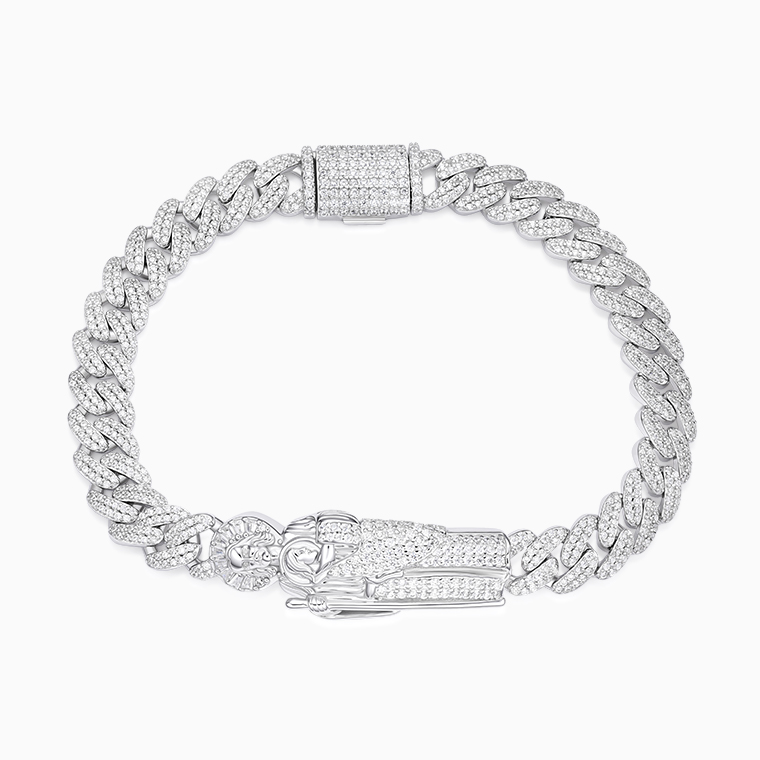
A bracelet can match its specified length and still feel different from what a customer expected. A wide Cuban bracelet occupies more space on the wrist than a slim chain bracelet. Link width, flexibility, and clasp design also affect how it sits.
If customers report that a bracelet feels tight, it helps to learn who is experiencing the problem and how the bracelet fits when worn. A photo on a wrist can offer useful context. Clear measurements and images showing the bracelet on a person can also help set expectations before a sale.
When the same fit concern appears repeatedly, the retailer and manufacturer can review the dimensions or consider offering another size. But it’s worth understanding the customer experience before changing a specification that may already be correct.

Treat clasp complaints as specific problems
Customers handle a clasp every time they put on or remove a bracelet, even though it may barely appear in product photos. When a retailer reports a clasp issue, the first step is to find out what is happening.
Is the clasp difficult to open? Does it take too much effort to close? Or has it opened while being worn? These problems call for different responses.
A short demonstration may help if customers are unfamiliar with the mechanism. If the clasp opens unexpectedly, the manufacturer should inspect the locking mechanism, alignment, assembly, and connection to the bracelet. A video showing the issue can be particularly helpful.
It also matters whether the complaints came from one shipment or several. A problem appearing across multiple batches may call for a design review. An issue limited to one batch may point to production details that need investigation.
Understand color complaints in context
Gold-plated jewelry can be affected by friction, perspiration, cosmetics, cleaning products, and other conditions of use. Even so, repeated reports of discoloration deserve attention.
Useful details include which product was involved, how long it had been worn, and where the color changed. A change around the clasp may have a different cause from one across a larger surface. The base material, surface preparation, plating specification, and use conditions all matter.
A photograph can help, but one image may not be enough to determine what happened. The retailer and manufacturer should review the finish and the product information together. Plated jewelry should also be described accurately so customers don’t expect it to wear like solid gold.
Look closely at where stones are missing
Iced-out pendants and bracelets often have many small stones, so the location of a missing stone can help identify what to inspect.
One loose stone doesn’t by itself establish the cause. The piece may have been knocked or dropped, or the setting may need attention. But if several returns show stones missing from the same narrow letter or corner, that pattern gives the manufacturer a more specific place to investigate.
The setting arrangement, stone size, spacing, and amount of surrounding metal may all be relevant. At Shining Star Jewelry, our custom stone-set projects involve both the visible design and the structure that holds each stone. When reviewing a complaint, we need enough information to assess both.
Sometimes the listing needs attention, not the product
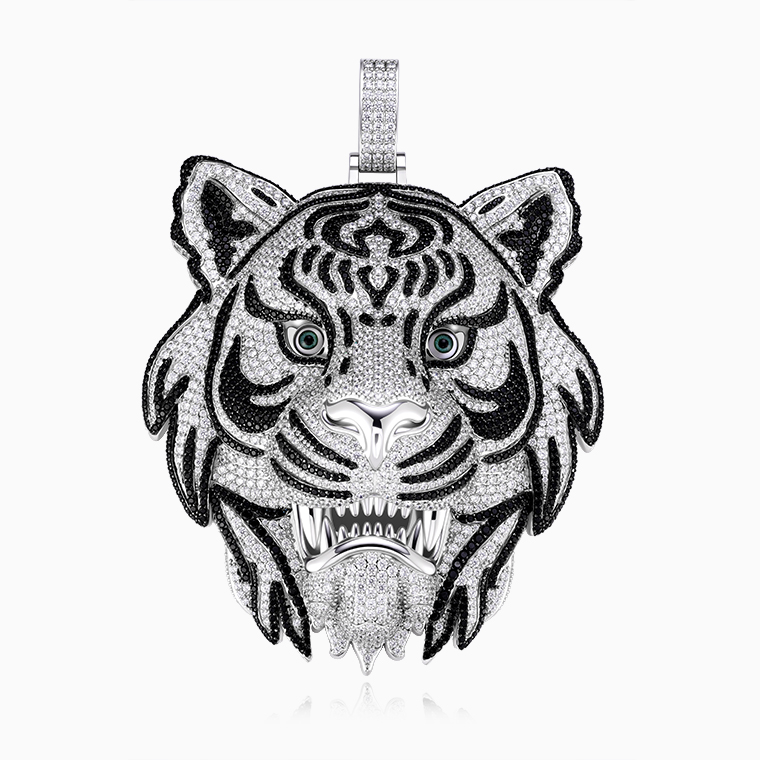
A pendant may meet its approved dimensions and still look smaller to a customer than expected. Close-up photography can make jewelry appear larger, especially when there’s no reference for scale.
Before asking for a larger version, review the product page. A photo showing the pendant being worn, alongside clear measurements, may give customers a better idea of its size. The same principle applies to color: studio lighting can make a finish look different from how it appears in everyday settings.
If the product matches the approved sample and specifications, updating the photos or description may address the gap in expectations without the cost and time of redesigning the jewelry.
Balance sales against returns
Imagine two Cuban chain styles: one sells 200 pieces a month, while the other sells 120. The first looks like the obvious choice for a larger reorder. But if it also generates frequent complaints about weight or fit, the sales figure alone doesn’t tell the full story.
Returns can mean extra shipping, replacements, customer service, and stock that may be difficult to resell. They can also reveal a pattern worth addressing. Perhaps a different weight or size would better suit some customers. Or perhaps the product is accurately described and only a small number of buyers prefer something else.
Before increasing the quantity, compare sales with the type and frequency of complaints. The aim isn’t to change every product that gets returned. It’s to understand whether a repeated issue is affecting the product’s performance.
What to share before the next order
A retailer doesn’t need to prepare a lengthy report. A few details can give the manufacturer a useful starting point:
- The product number and, if available, the shipment or batch
- What customers said and how many reported the issue
- Photos of physical defects, such as a loose stone or finish change
- A short video for problems with a clasp or other moving part
- Whether the same complaint has appeared across multiple shipments
With that information, the manufacturer can review the relevant drawings, sample, components, or production details. The review may lead to a revised sample, a closer inspection, or no product change at all.
For example, enlarging a pendant may also require changes to its bail, weight, stone layout, or the chain that carries it. Replacing a bracelet clasp can affect the fit of the end links and the overall length. These details are easier to assess while planning the order than after another batch has been produced.
Use return feedback to make a better decision
A repeat order is a chance to check whether a product is meeting customer expectations. Sales figures show what people bought; return feedback can help explain what happened next.
At Shining Star Jewelry, we work with brands, retailers, wholesalers, and distributors on custom hip hop jewelry. Our services include OEM/ODM development, CAD design, sampling, stone setting, polishing, plating, and wholesale production. If a buyer wants to revise an existing piece, we can review the drawings and specifications together and discuss what the change would involve.
Some retailers will have products that sell well with few complaints and need no adjustment. Others may spot a recurring issue worth investigating. In either case, reviewing customer feedback before the next order can help buyers decide what to reorder, what to revise, and what to communicate more clearly.
At Shining Star Jewelry, we work with brands, retailers, wholesalers, and distributors on Wholesale Hip Hop Jewelry, from custom design and sampling to stone setting, finishing, and production. Reviewing customer feedback before the next order can help buyers make practical decisions: repeat a successful style, investigate a recurring issue, or clarify product details so customers know what to expect.