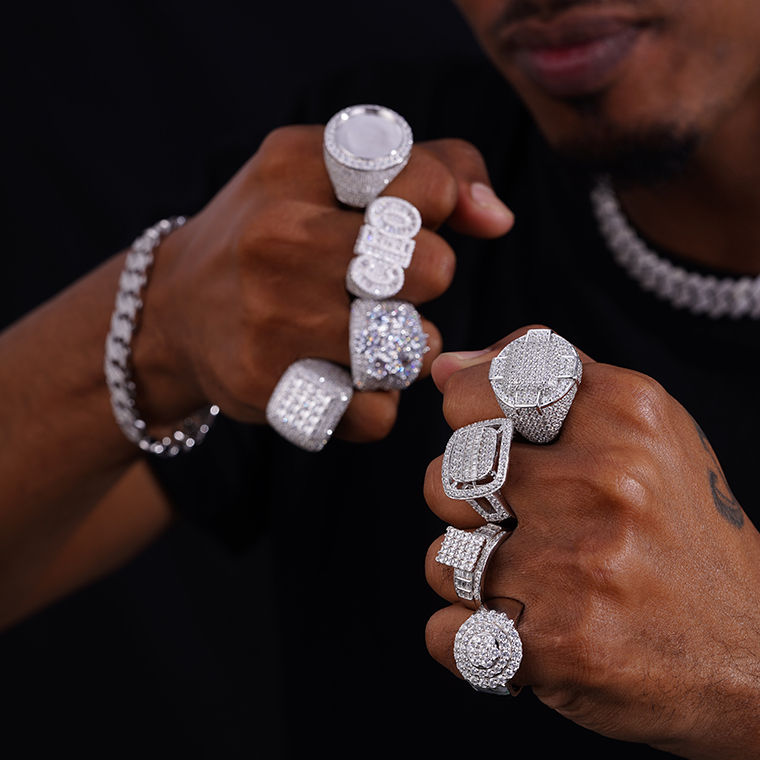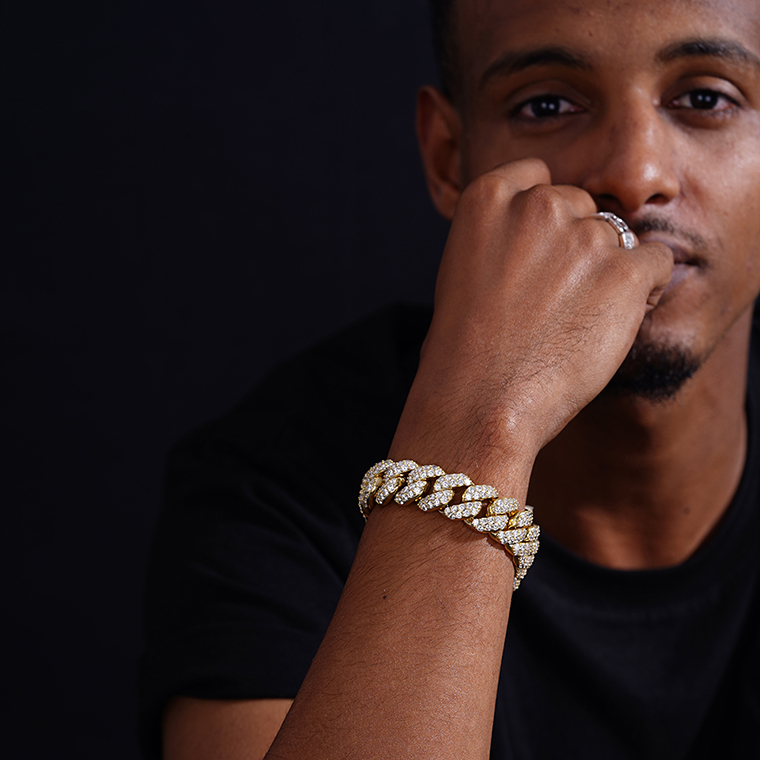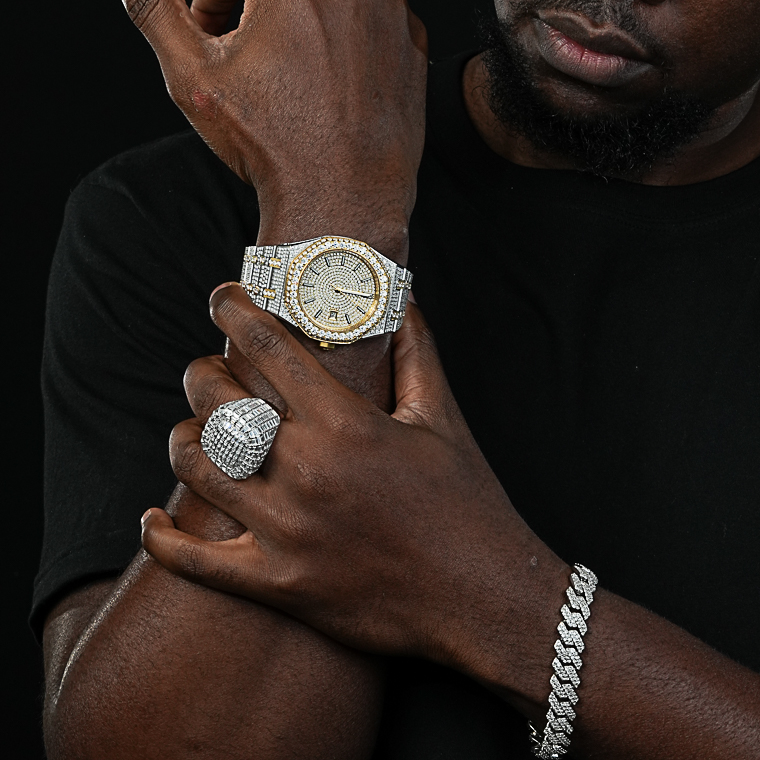







That may sound like an odd way to build an assortment. In hip-hop jewelry, where a single chain or pendant can carry so much visual energy, the temptation is to keep adding. Another link width. Another stone pattern. A ring to match. A bracelet in the same finish. Before long, the range is larger, but its point of view is harder to see.
I would rather begin with one piece that says something, then make every addition earn its place. A Cuban link chain might be the starting point. A pendant could give it a signature. A bracelet might extend the look. A ring might work—or it might be one product too many. I cannot answer that from a mood board alone.
The hero product is only the opening sentence
I understand why brands want a hero piece. It gives a campaign a focal point. It can make a collection recognizable in a crowded feed. A wide Cuban link chain or a distinctive pendant is easier to remember than a page of products with equal visual weight.But a hero piece is an opening sentence, not the whole story. When I develop a range, I want to know what that first product tells me. Is the appeal in the link profile? The scale? A logo or emblem? The contrast between metal and stones? Once I can name the quality that makes the piece distinct, I can decide what should carry through to the next design.
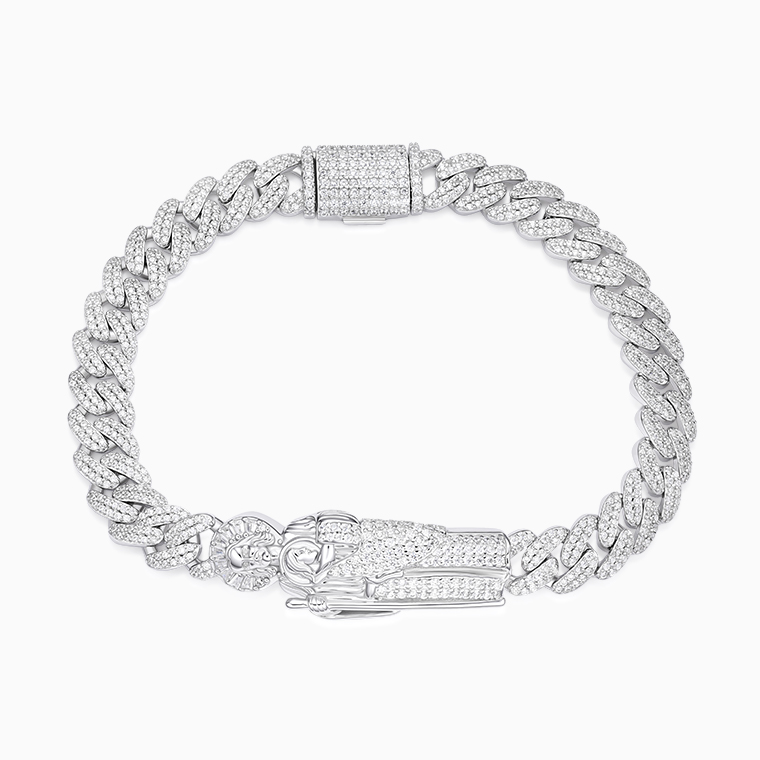
Imagine a silver-toned Cuban chain with a particular link shape. I might carry that shape into a bracelet, but I would not automatically make the bracelet identical. A wrist moves differently from a neck. The closure needs attention. The width may need to change. The shared detail can be the link itself, while the proportions respond to the way the piece is worn.
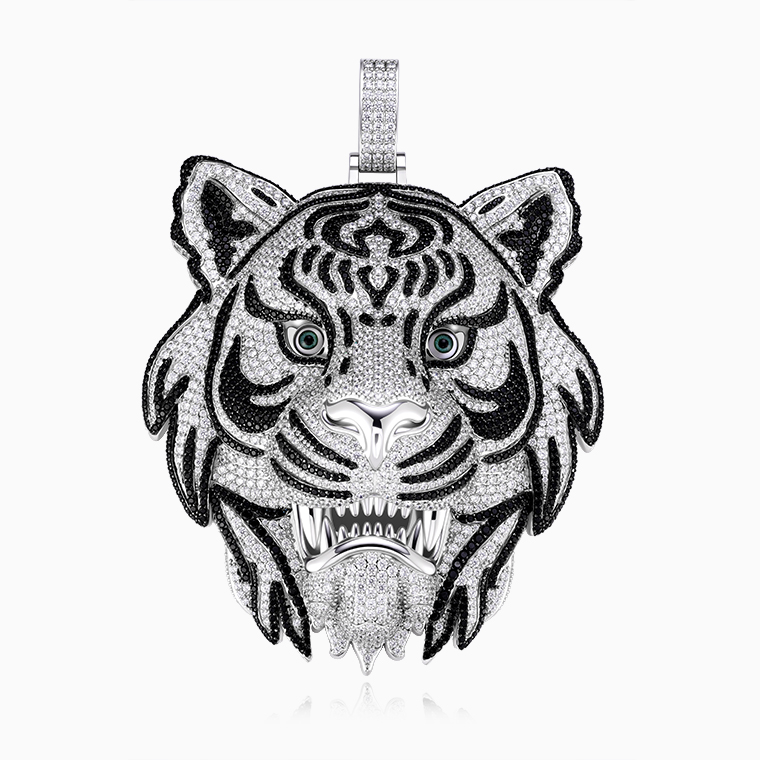
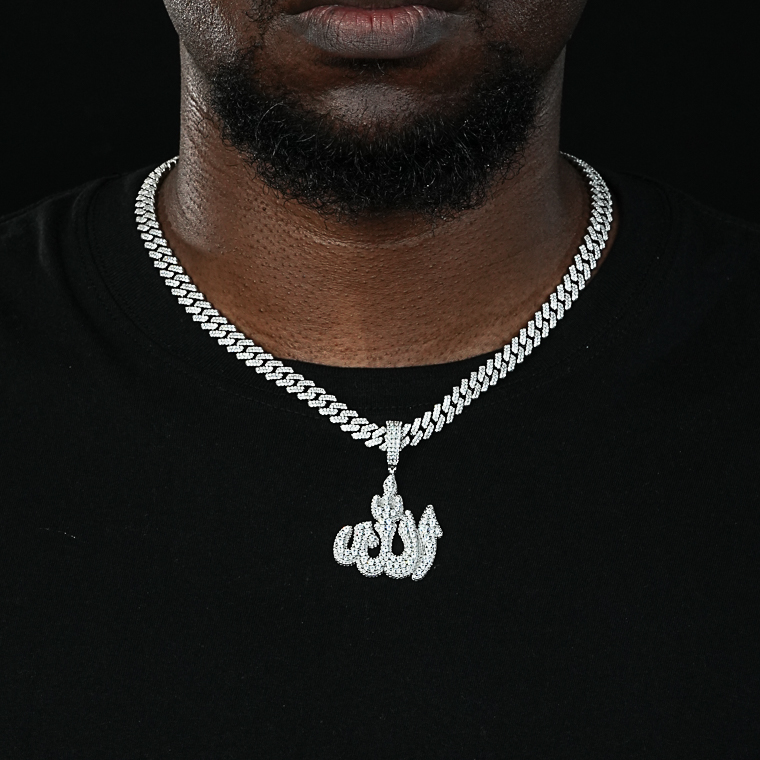
A pendant raises another set of questions. Does it hang from this chain or sit awkwardly against it? Is the bail opening suited to the link? Does the pendant need the chain to feel complete, or is it strong enough to stand on its own? A drawing can suggest answers, but the physical combination has the final say.
I find that this is where a collection starts to separate from a matching set. A matching set repeats. A collection has relationships. Some products echo one another; others give the eye a place to rest. I do not want every piece shouting the same message. If the chain is already bold, a quieter ring may be more useful than another highly detailed surface.
I pay attention to what does not translate
One of the most useful parts of product development is discovering that an idea does not work in every format. A pendant motif can look excellent at a large scale and become crowded on a ring. The details that read clearly on a flat screen may disappear when they are reduced. The answer is not always to keep shrinking the same design.Sometimes I would simplify it. A ring might borrow the border or one letterform instead of carrying the entire pendant design. In another case, the motif may not belong on a ring at all. I see that as an honest design decision, not a missed opportunity. A product line does not become stronger just because every category has been filled.
The same goes for color and finish. Two separate product photos can make finishes look consistent when they are not. When I review samples together, I can see whether the metal tones sit well beside each other, whether one piece is visually heavier, or whether a bracelet competes with the chain. I want to see the products as the buyer or wearer might encounter them, not only as isolated catalog images.
That is why I resist the phrase “make it match” when it is the only direction. Match what? The color? The motif? The visual weight? The level of detail? A useful design conversation identifies the feature that needs to connect, then leaves the maker room to solve the rest of the product properly.
More choices do not always make a better collection
I work in a business with a large catalog—more than 5,000 designs—and our team develops over 100 new designs in a month. That gives buyers a wide field to explore. It does not mean a retailer should try to carry everything that catches the eye.When I help think through an assortment, I want to know why each item is there. Perhaps one chain is the central style, another offers a simpler entry point, and a pendant gives the collection its own mark. The roles can overlap, but they should not be mysterious. If two products are nearly identical, I ask what a customer would notice and why a buyer would stock both.
This is not just about reducing inventory. A crowded range is harder to explain. Product pages become repetitive. Small specification differences can be missed. Reorders become more complicated if the team has to distinguish between several versions that look almost the same. A careful edit can make the products that remain easier to present and easier to discuss with a hip-hop jewelry wholesaler or manufacturer.
Price also affects the shape of the assortment, though I do not assign price tiers by appearance alone. Material, dimensions, construction, stones, finish, and quantity all affect a quote. What I can do at the planning stage is consider whether the range has different levels of complexity: a straightforward chain, a central design, and perhaps a more elaborate custom pendant. The actual pricing needs to follow the final specification.
I like a collection that offers options without making the customer decode it. A person might buy the chain on its own, add the pendant later, or choose a bracelet as another way into the look. That is more flexible than insisting that every piece must be purchased as a set. It also gives a retailer room to merchandise the products together or separately.
A sample can change my mind
I do not treat the sample as a small version of the finished order. I treat it as the point where I am allowed to change my mind.On a chain, I check the dimensions against the agreed brief, then look at how the links move and how the clasp works. With a pendant, I put it on the chain it is meant to accompany and see how it hangs. If it turns or sits too high, I want to understand why before approving it. With a bracelet, I pay attention to the closure and how the proportions feel next to the chain. For a ring, I ask whether the design still reads at a wearable scale.
For stone-set designs, the review has to follow the product's own specification. I compare the sample with the approved layout and identify the details that matter for that piece. A vague approval gives both sides too much room to remember the decision differently later. I prefer to record dimensions, material, stone details, finish, size, branding, and packaging in a current reference.
The wording of feedback matters, too. “It feels wrong” may be true, but it does not tell the designer where to look. “The pendant rotates when it hangs from this chain” gives us a concrete issue to examine. “The bracelet feels heavier than the necklace” tells us the relationship is off, even if we still need to work out whether width, thickness, or link scale should change.
Because Shining Star has its own factory and design team, we can discuss how a design idea and its manufacturing details relate while the product is still being developed. For suitable projects with a clear brief, a preliminary CAD outline can be available in as little as two hours, and sample production can be as little as seven days. I treat those as project-dependent estimates, not standard promises; complexity, revisions, materials, and schedule all matter.
Sometimes the sample confirms the direction. Sometimes it tells me that a product is too close to another one, or that the collection needs fewer pieces. I would rather make that decision at the sample stage than carry a weak product into the order simply because it has already been designed.
I would rather add with a reason
After the first pieces are approved, new ideas will come. A buyer may want another chain length. A brand may ask for its emblem on a pendant. A retailer may need a less elaborate bracelet. I do not dismiss these requests, but I do ask what problem the new version solves.If customers need another length, that may be a useful extension. If a second finish only creates a near-duplicate product, perhaps it can wait. If the emblem makes the pendant more recognizable, it may strengthen the collection. If it makes the design too busy, the brand mark may work better somewhere else. Each decision depends on the product in front of us.
For custom development, I ask buyers to share reference images or sketches, intended dimensions, material and stone preferences, finish, approximate quantity, and the products the new piece should work with. The more clearly we understand the relationship, the more useful the first design discussion can be. If the sample leads to a revision, I confirm the updated specification and any effect on cost or timing before moving forward.
I keep coming back to that opening question: would removing a few products make the collection clearer? If the answer is yes, I edit. If a new piece gives the buyer a useful option or makes the range more recognizable, I give it a chance. A collection is not finished when every category is represented. It is finished when the pieces that remain feel deliberate—and when I can explain why each one belongs.
As a hip-hop jewelry wholesaler, I build from the hero piece by editing, testing, and asking each product to earn its place. A focused collection gives buyers a clearer assortment to evaluate, develop, and reorder.