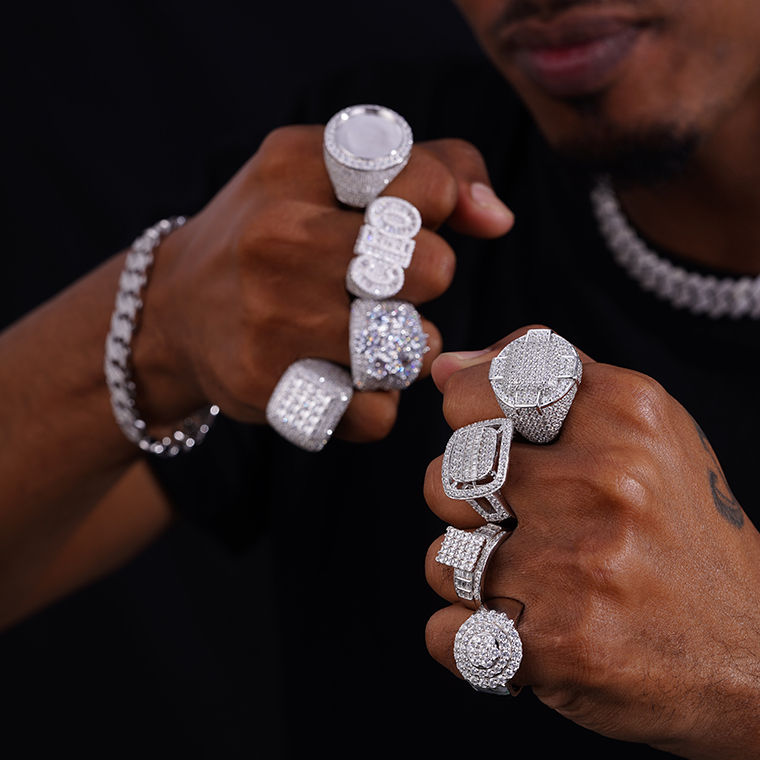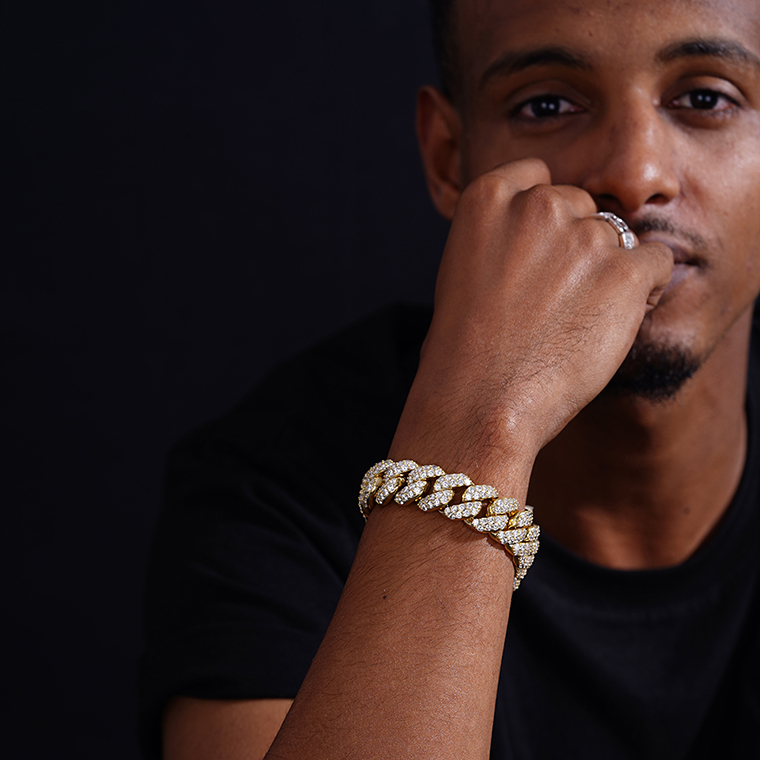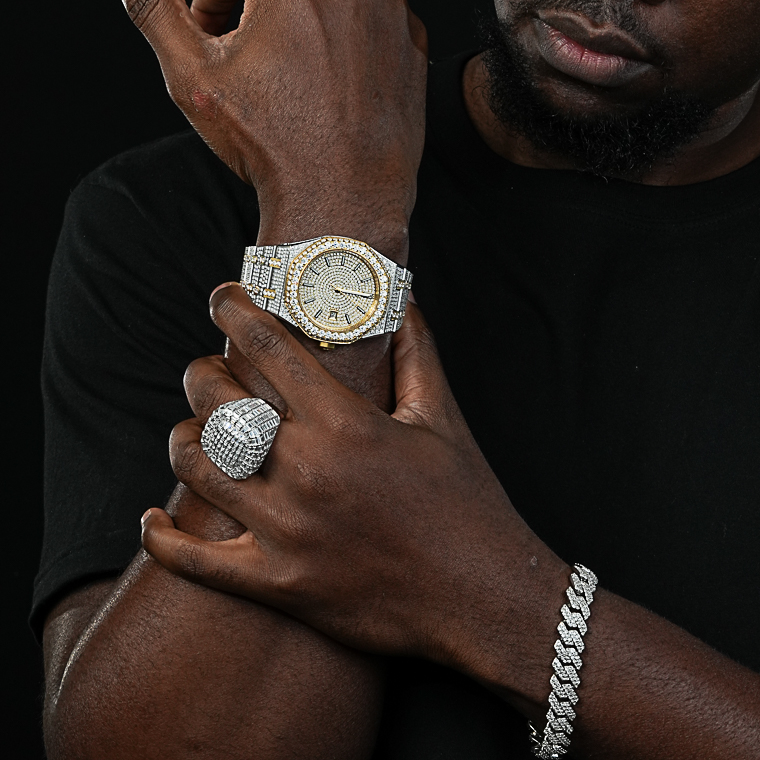






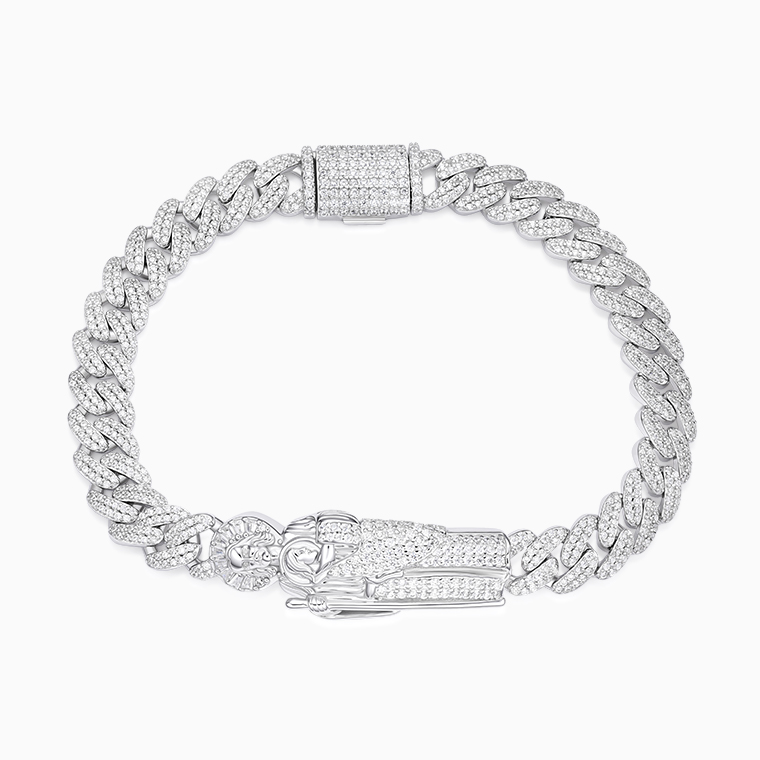
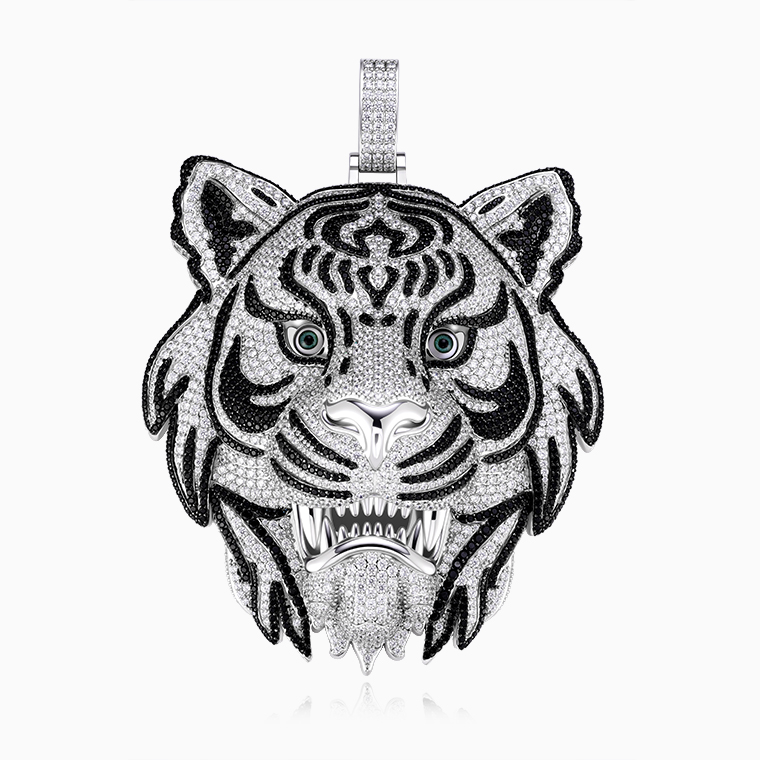

Walk into almost any jewelry store selling hip hop pieces, and the first thing you notice is the shine. Cuban chains, oversized pendants, and rings covered with tiny stones are designed to catch the light. That's part of their appeal.
But spend a little time looking at how these pieces are made, and a different picture begins to emerge.
Two iced-out pendants can look almost identical in a photograph. One may have neatly aligned stones, smooth edges, and a solid bail that feels secure. The other might have uneven settings, rough finishing around the back, or a connection that becomes loose after repeated wear.
The difference isn't always obvious until you handle the jewelry.
This is why choosing a hip hop jewelry manufacturer involves much more than comparing designs and prices. Behind every finished piece are decisions about metal, construction, gemstone setting, and the amount of attention given to details that customers may never notice at first glance.
A Heavy Chain Isn't Necessarily a Better Chain
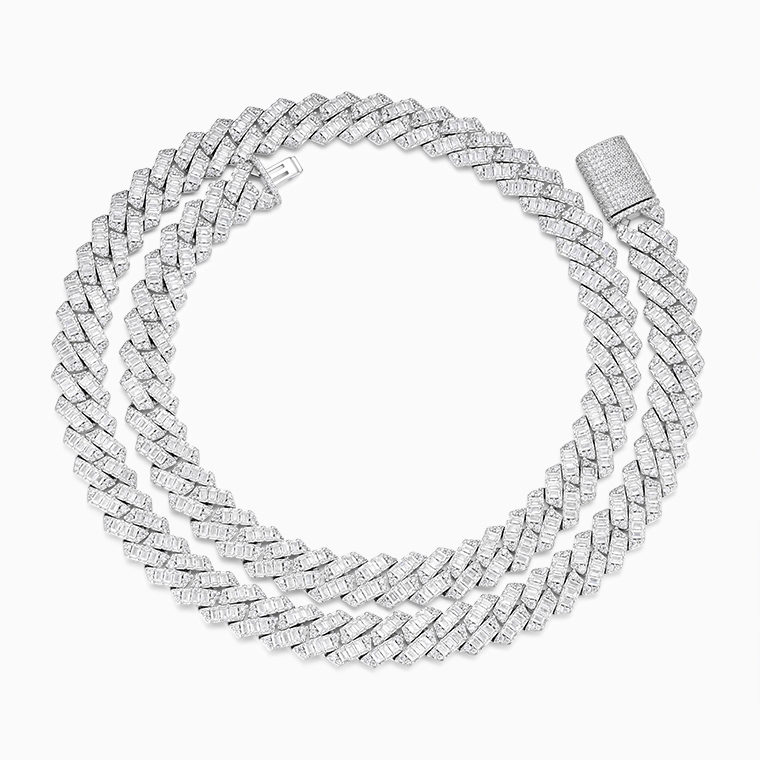
Cuban link chains are a good example of how appearance and construction can tell different stories.
At first, a Cuban chain seems relatively straightforward. It consists of interlocking links arranged in a familiar pattern. Yet producing a well-balanced chain requires careful control over link dimensions, spacing, and movement.
If the links are too tight, the chain may feel stiff. If they're too loose, the finished piece can lose the compact appearance that makes Cuban links attractive in the first place.
Weight is another consideration.
Some buyers associate heavier jewelry with better quality, but weight alone doesn't tell you much about workmanship. A well-made chain should also sit comfortably, move naturally, and maintain a consistent appearance from one end to the other.
The clasp deserves attention, too. It's a small component compared with the rest of the chain, but it plays an important role in everyday use. A beautiful chain with an unreliable clasp is hardly a successful product.
For jewelry wholesalers, these details matter because customers judge jewelry through actual wear, not just product photographs.
Why Iced-Out Jewelry Takes More Work Than It Appears
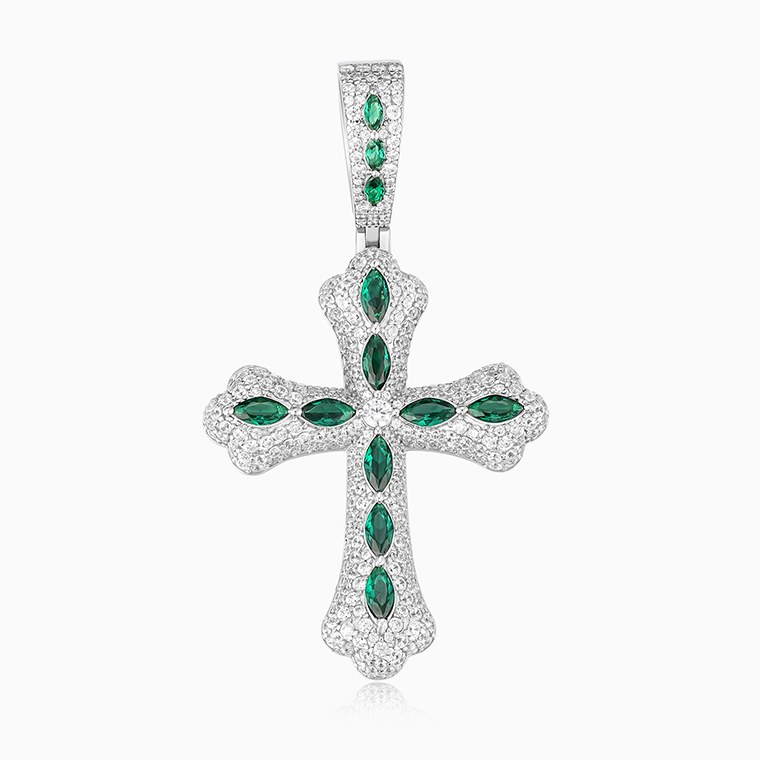
An iced-out pendant might contain hundreds of small stones. Getting those stones into place is only part of the job.
Before setting begins, the manufacturer needs to decide how the stones will fit within the design. A flat surface is relatively easy to plan. A pendant with raised lettering, curved edges, or an irregular logo is another matter.
Consider a custom name pendant.
The wider sections of a letter may accommodate several rows of stones, while narrow corners leave very little room for the surrounding metal. Trying to force too many stones into those areas can compromise the setting.
This is where jewelry design and stone-setting experience have to work together.
A skilled setter pays attention to how each stone sits next to its neighbors. The spacing should look intentional, the stones should remain secure, and the surrounding metal should be finished neatly.
There's also a practical limit to how much stone coverage a design can support.
More stones don't automatically mean better jewelry. In some cases, adjusting the stone size or leaving a little more metal between settings can produce a cleaner, more durable result.
For custom hip hop jewelry, these decisions are often made long before the first stone is actually set.
Moissanite Has Changed the Conversation Around Custom Jewelry
For years, diamond jewelry dominated the high-end iced-out look. Diamonds remain an important material in this category, but they are no longer the only option buyers consider.
Moissanite has attracted attention from jewelry brands looking for strong brilliance and a different pricing structure.
Its optical properties give it a distinctive appearance, particularly under direct lighting. Moissanite also offers good scratch resistance, making it suitable for many types of jewelry when properly designed and set.
Still, choosing moissanite isn't simply a matter of replacing diamonds with another stone.
A manufacturer has to consider the dimensions and cut of the stones, the setting style, and the overall appearance of the finished piece.
Small stones arranged closely together may create a different visual effect from larger stones used in an open setting. Even within the same pendant design, changes in stone size can noticeably affect the final result.
The metal matters as well.
A moissanite pendant made in sterling silver will have different production and pricing considerations from one made in 14K gold. Plating, polishing, and the intended retail market all influence the manufacturing decisions.
For wholesale buyers, the important question is not whether one material is universally better than another.
It's whether the combination of metal, gemstones, and craftsmanship is appropriate for the product they're trying to sell.
Custom Jewelry Starts With Questions, Not Machines
A customer sends a logo and asks for a pendant. It sounds like a simple custom order.
But a logo designed for a website or a T-shirt doesn't necessarily translate well into metal.
Thin lines may need to be strengthened. Small gaps may have to be widened. Certain details may disappear when the design is reduced to pendant size.
And then there's the question of how the pendant will hang.
A large piece needs a bail that can support its weight and accommodate the intended chain. The position of that bail also affects how the pendant sits when worn.
These are the kinds of issues that should be considered during design development.
CAD software makes it easier to visualize the piece, but the digital model still needs to reflect practical manufacturing requirements.
A design can look impressive on a screen and still be difficult to cast, polish, or set with stones.
For that reason, an experienced custom hip hop jewelry manufacturer should be willing to discuss design adjustments before production begins.
Sometimes a small change in thickness or stone placement makes a considerable difference to the finished product.
That kind of communication is particularly valuable for brands developing their own jewelry collections.
The Back of a Pendant Can Tell You a Lot
Most product photographs show the front of a pendant. That's understandable. The front carries the design, the gemstones, and the visual appeal.
But the back is worth examining.
How cleanly has the metal been finished? Are there sharp edges? Does the piece feel balanced? Are the connection points properly formed?
These details don't usually appear in advertising images, yet they contribute to the overall quality of the jewelry.
Polishing is another area where workmanship becomes visible.
Highly reflective surfaces can reveal small scratches and uneven areas. Around stone settings, polishing requires particular care because the surrounding metal must be finished without damaging the setting.
Plated jewelry introduces additional considerations.
The appearance and service life of a plated finish depend on several factors, including surface preparation, coating specifications, and how the jewelry is used and maintained.
A manufacturer should be able to explain the intended finishing process rather than relying on broad claims about durability.
For buyers placing repeat orders, consistency in these less visible details can be just as important as the overall design.
What Wholesale Buyers Should Ask Before Placing an Order
When a jewelry brand begins working with a new supplier, the first discussion often focuses on price, minimum order quantity, and delivery time.
Those are reasonable starting points, but they don't provide a complete picture.
A sample can reveal much more.
Look closely at the stone alignment. Check the edges and the back of the piece. Test the clasp or moving components. Compare the finished dimensions with the approved design.
It's also worth asking how the manufacturer handles production variations.
Will the metal specification remain consistent across repeat orders? How are gemstone sizes controlled? What happens if a batch doesn't match the approved sample?
These questions become especially important when moving from a small trial order to regular wholesale production.
A sample made with great care is useful, but a manufacturer also needs a process for reproducing that quality across larger quantities.
The cheapest quotation may not be the most economical choice if inconsistent workmanship leads to returns, replacements, or dissatisfied customers.
In jewelry wholesale, reliability has a value of its own.
Where Shining Star Jewelry Fits Into the Custom Jewelry Market
The custom jewelry market includes independent designers, online retailers, established jewelry brands, and wholesalers serving different customer groups.
Their requirements can vary considerably.
One brand may focus on sterling silver moissanite pendants. Another may be developing gold jewelry with more intricate stone-setting requirements. A third may need customized pieces that fit a particular retail price range.
Manufacturers working in this market need to understand how those requirements affect design and production.
Shining Star Jewelry, a company associated with custom jewelry manufacturing, is one of the names buyers can consider when exploring sourcing options for personalized jewelry collections.
For businesses researching potential suppliers, its website provides a starting point for learning about the company: Shining Star Jewelry.
As with any jewelry manufacturer, buyers should confirm specific production capabilities, available materials, sample requirements, and quality expectations directly before committing to an order.
A productive supplier relationship begins with clear specifications and realistic expectations on both sides.
Good Manufacturing Is Often About the Details People Overlook
Hip hop jewelry is meant to make a statement. That's part of what makes the category interesting.
But behind the bold designs, manufacturing quality often comes down to relatively small decisions.
A slightly stronger connection point. A better-proportioned link. More consistent stone spacing. A carefully finished edge.
None of these details necessarily changes the first impression of a piece in a photograph. Together, however, they can make a noticeable difference when the jewelry is handled and worn.
For brands and wholesalers, understanding those differences is useful.
It helps buyers ask better questions, evaluate samples more carefully, and make decisions based on more than appearance alone.
And for a hip hop jewelry manufacturer, the challenge is not simply to create something that looks impressive when it leaves the workshop.
It's to produce jewelry that continues to reflect good craftsmanship after it reaches the customer.