




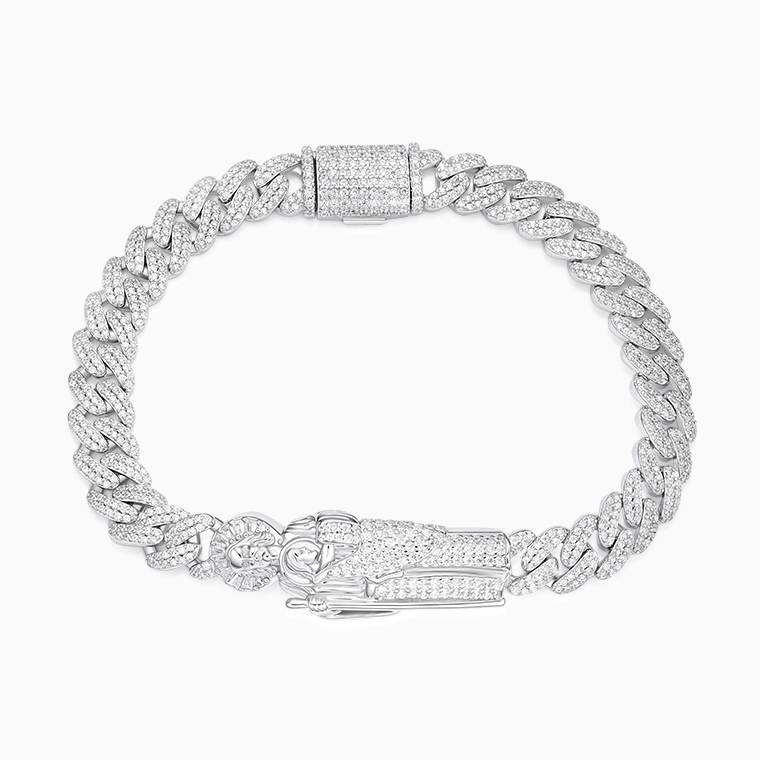
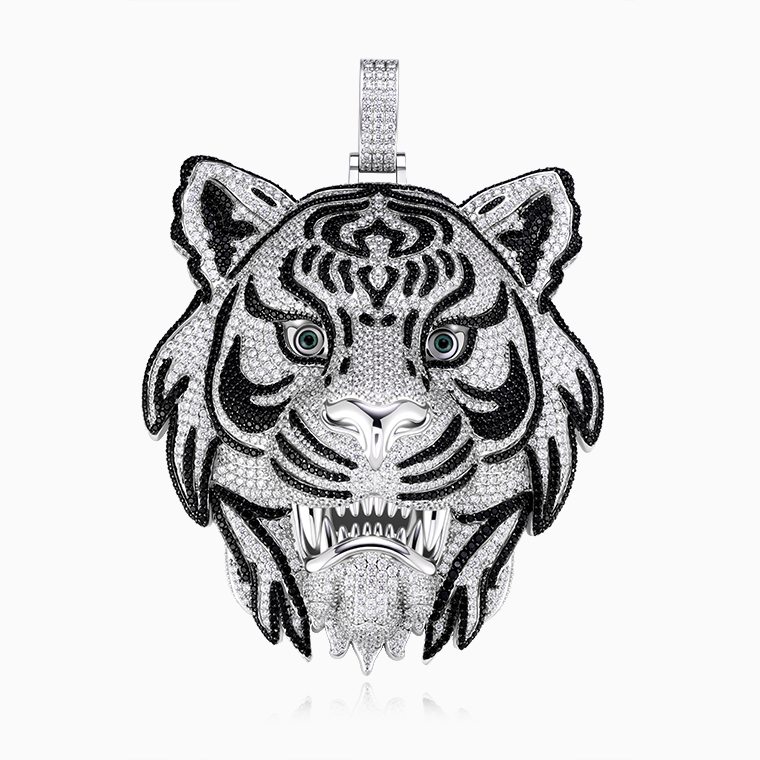

I choose an iced out men’s pendant manufacturer by checking how clearly the team turns a design brief into a sample, secures each stone, records the approved specifications, and confirms the order schedule.
I have learned that a supplier’s value shows up before production begins. The right questions help me see whether a team can make the pendant I need and explain how it will be checked.
What makes an iced out men’s pendant suitable for the way my customers will wear it?
A pendant must look right and feel right. I start by asking how its size, weight, bail, and edges will work together.I define the pendant’s dimensions, bail opening, back design, stone layout, and expected wear before I compare quotes. These details help the manufacturer assess both appearance and construction.
I start with the wearer, not only the reference photo
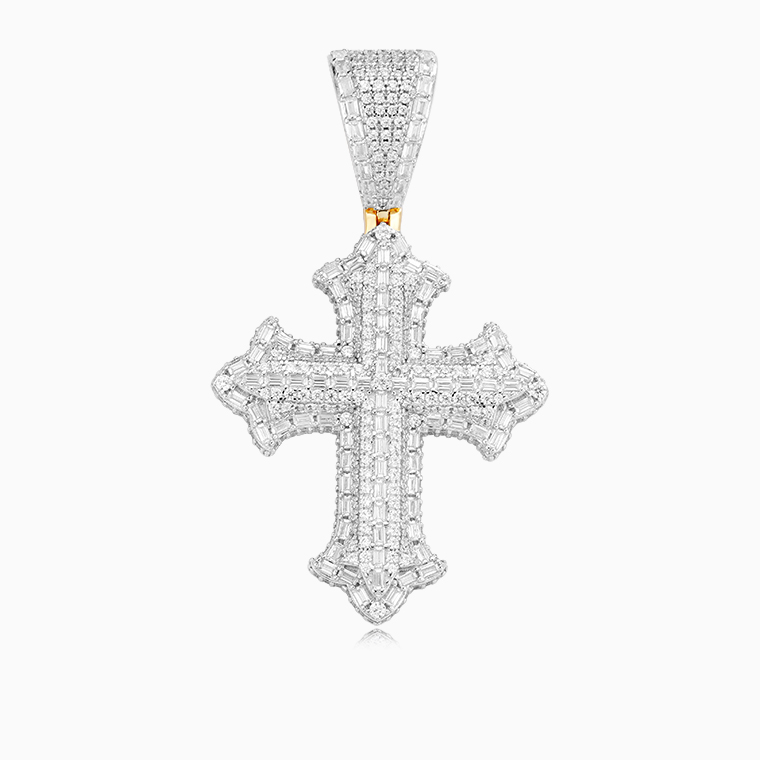
When I review a pendant idea, I first consider who will wear it and how they will style it. A large statement pendant may need a wider bail and a stronger chain connection than a small everyday piece. A pendant that will sit over clothing may need different proportions from one worn under a shirt. I share an approximate height and width, the chain style, and the intended use so the design team can discuss the right scale.I also ask about details that are easy to miss in a front-facing image. The bail needs enough room for the selected chain. The back should be considered because a pendant can turn while it is worn. Edges should feel comfortable and should not catch easily on clothing. The total stone coverage can affect both the visual weight and the physical weight of the piece.
| Detail I provide | Why I provide it |
| Pendant height and width | It sets the scale and helps estimate material and stone needs. |
| Bail opening and chain type | It helps confirm that the pendant can hang and move as intended. |
| Front and back references | It reduces uncertainty about the full design. |
| Intended use | It helps us discuss comfort, weight, and construction priorities. |
I do not expect a buyer to solve every engineering question alone. I expect an experienced iced out men’s pendant manufacturer to ask follow-up questions and explain the trade-offs before the team prepares a final specification.
What should I learn about the manufacturer’s design and production team?
A strong design needs a production partner who can discuss how it will be made. I look for direct communication between the people shaping the design and the people producing it.I ask whether the manufacturer has its own design and production teams, how it reviews custom references, and what design work or sample steps are included in the quotation.
I check how the team handles the brief
At Shining Star, we operate with our own factory and design team. That setup lets us discuss a custom pendant from the design stage through production planning. When a buyer sends a sketch, reference photo, or existing sample, we can review the shape, dimensions, stone arrangement, metal, finish, and logo needs as one project rather than treating each detail as an unrelated request.I recommend that buyers ask what happens after they send a reference. The manufacturer should explain whether it needs clearer measurements, whether it will prepare a CAD design, what the buyer will review, and whether design or model fees apply. A fee should be discussed before the design work begins. A buyer should also know how many revisions are included and what changes may affect the schedule or price.
Original artwork deserves a clear process. We respect customer designs, and buyers can discuss a design confidentiality agreement with us before sharing sensitive files. The buyer should identify which drawings, logos, or CAD files are confidential and agree on how those materials will be handled.
I also ask who will confirm the final production reference. A named contact or clear project owner can help keep design feedback, quotation details, and production updates together. The goal is not to add meetings. The goal is to avoid a situation where the approved design and the production team are working from different versions.
How do I compare stone setting and finishing quality?
Stone coverage draws attention, but the setting decides whether the pendant is ready to wear. I compare the actual construction and inspection plan, not only the shine in a photo.I ask how stones are set and secured, what metal and finish the order specifies, and how the manufacturer checks the pendant before shipment.
I ask for checks I can verify
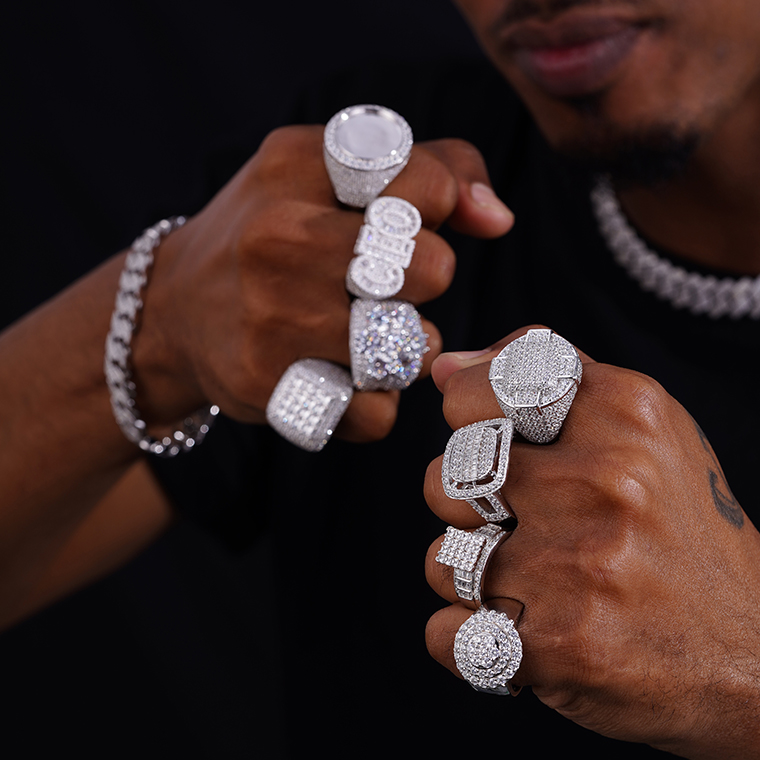
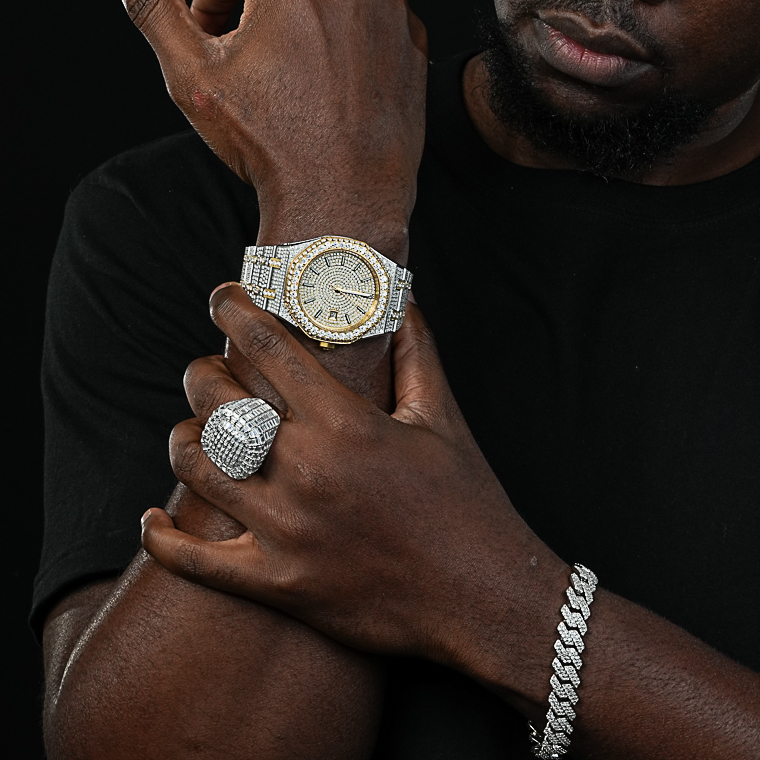
Our product information describes hand-setting and wax-setting methods, with prongs used to help secure stones. We also check stones again before shipment. These steps are useful to discuss, but I avoid treating any setting as impossible to damage. Impact, wear, and the details of a design still matter. A buyer should ask which setting method applies to the chosen pendant and what inspection the order includes.I also confirm the stone identity and the language that will appear on the product listing. We commonly work with moissanite and cubic zirconia, and a buyer should name the selected stone in the specification. Moissanite and CZ are different materials. A product should not be described as diamond unless it uses diamond. The buyer and manufacturer should confirm stone shape, size, color expectations, and layout before approving the sample.
The metal and finish deserve the same attention. Our FAQ lists 925 sterling silver and brass among common materials. We describe multiple polishing stages and multi-stage plating with a final e-coating step, but the exact material and finish should be written into the quotation for the specific design.
| Sample check | What I look for |
| Stone layout | The pattern matches the approved drawing or sample. |
| Setting and edges | Stones sit securely and edges do not snag easily. |
| Bail and connection | The bail fits the chain and hangs as intended. |
| Finish and logo | Color, polish, and branding match the agreed specification. |
I find this checklist more useful than asking for a general promise of “high quality.” It gives both sides observable points to review.
Can I order one custom pendant, and what will affect the quote?
Many independent brands want to test a design before placing a larger order. I make the one-piece option and its cost terms clear from the start.We accept custom iced out pendant projects starting from one piece. A model or design fee may apply, and we quote it for the specific design before development begins.
I separate development costs from production costs
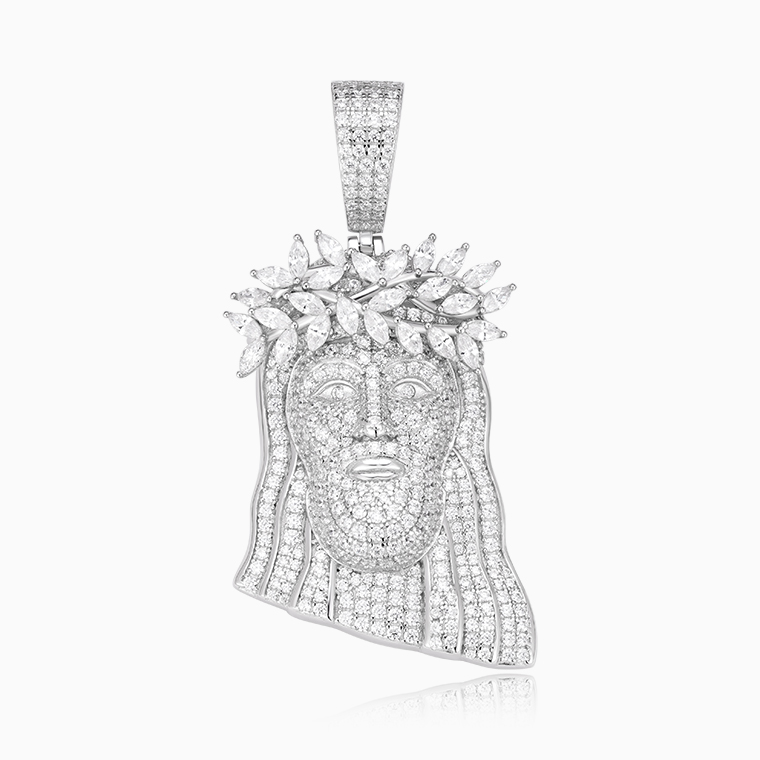
A one-piece start can help a brand review a new idea without committing to a large run. It does not mean that every custom project has the same price. The design fee, if applicable, depends on the development work. The production quote depends on the pendant’s dimensions, metal, stone type, stone count, setting details, finish, logo, and packaging. I ask the manufacturer to show these cost components clearly so I can understand what is included.At Shining Star, custom work can start from one piece. A model or CAD fee may apply, and the team should confirm the fee and scope before starting design work. The final quotation should also say whether sample development is included, what happens if I request revisions, and which sample becomes the production reference.
I keep a custom one-piece order separate from a standard wholesale order. Our FAQ lists 30 pieces as the usual wholesale minimum, while smaller wholesale orders may be available at a higher unit price. I confirm whether a minimum applies by style, color, or total order. That question matters when I want to test several pendant designs or color combinations.
Before accepting a quote, I check whether the stone specification, metal, plating color, dimensions, logo, packaging, inspection, and shipping are included or priced separately. I also confirm the payment terms. Clear scope lets me compare suppliers on the same product rather than comparing two different assumptions.
How should I evaluate the production schedule and communication?
A short lead time is useful only when I know what it covers. I confirm the start point, production window, updates, and shipping separately.For custom iced out pendant projects, we estimate around 20–25 days for production after the design, order details, and materials are confirmed. Shipping is separate.
I put the timing assumptions in writing
Our current estimate for custom iced out work is about 20–25 days of production. I treat that as a planning estimate, not an arrival guarantee. Before the clock starts, the buyer and manufacturer should confirm the final design and specifications, payment or deposit arrangement, and material availability. If a buyer requests a change after approval, the parties should discuss whether the change affects timing or price.Shipping and transit take place after manufacturing and inspection. They depend on the destination, chosen carrier, package details, and customs handling. I therefore ask for production timing and shipping timing as separate items in the quotation. If I have a launch date, campaign, or customer commitment, I share it early and ask the team to confirm whether the schedule is workable.
Communication helps me manage the order while it is being made. We can provide weekly production updates, including photos or videos for active orders, according to the FAQ. A buyer can agree at the start how often updates will be shared and which milestones matter, such as design approval, sample approval, production progress, and pre-shipment inspection.
I do not ask a supplier to promise a date without knowing the design and order scope. I ask for a realistic schedule, a clear starting milestone, and prompt notice if a material or design issue changes the plan. That gives me a better basis for managing inventory and communicating with my own customers.
I choose an iced out men’s pendant manufacturer that can explain design, setting, costs, checks, and timing clearly before production begins.