






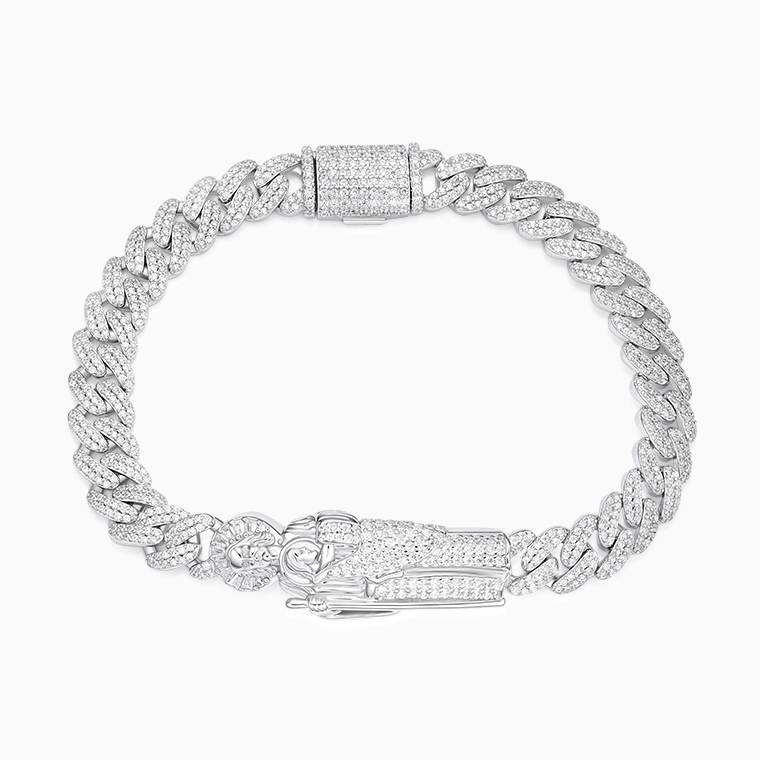
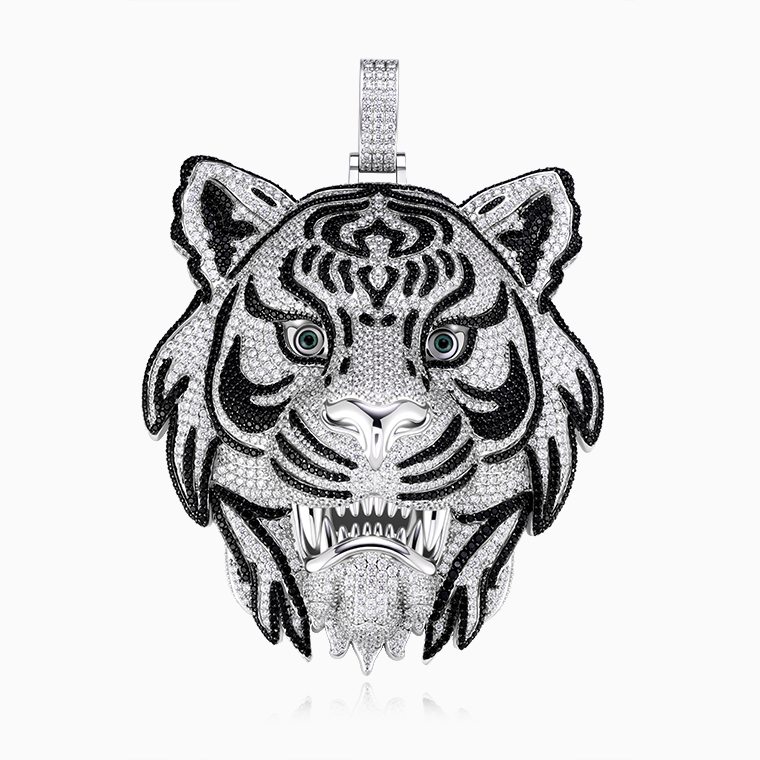

A small jewelry shop has limited space, a finite buying budget, and customers who may want very different things. One shopper is looking for a bold Cuban link chain. Another wants a personalized pendant. Someone else is only browsing and may not be ready to spend on a large statement piece.
For a small retailer, buying hip hop jewelry wholesale means balancing those different needs without filling the shop with products that do not sell. The challenge is not simply finding striking designs. It is deciding which pieces belong in the store, how many to order, what details to confirm before paying, and how to restock without losing track of the budget.
A clear buying process helps. Start with the customers you serve, compare products using specific information, and treat samples as a chance to check how the jewelry works in real life. The right supplier should be able to discuss those details with you, whether you are selecting existing designs or developing a custom piece.
Start with Your Customers, Not the Catalog
A wholesale catalog can contain hundreds or thousands of designs. That range is useful, but it can also make buying harder. A large selection does not tell you which pieces suit your customers.
Begin with what you already know about your store. Which products receive the most attention? Do your customers ask about chains, pendants, bracelets, rings, or earrings? Are they shopping for daily wear, gifts, special occasions, or a particular style?
Sales records can help, but conversations at the counter matter too. A customer who asks for a specific chain length or pendant size is giving you information, even if they do not make a purchase that day. Keep track of repeated requests and the items customers pick up but do not buy. Those patterns can guide your next order.
Consider how your customers shop as well. Some want a complete set, while others prefer to build a look one piece at a time. If shoppers often ask how a pendant will look with a chain, display compatible options together and make the relevant measurements easy to find.
A practical assortment often includes a few different roles:
- Attention pieces: bold designs that give the display its character.
- Everyday options: styles that are easier to wear regularly.
- Add-on pieces: smaller items customers can pair with a main purchase.
- Custom or personalized options: products that give shoppers a reason to ask about your store specifically.
These are not rigid product categories. They are a way to consider what each item contributes before placing an order.

Set a Buying Budget Before Choosing Styles
A small shop can tie up a surprising amount of cash in just a few bold pieces. Before placing an order, look at the money available for stock and the expenses that come with it: shipping, packaging, product photography, payment fees, and import charges where applicable.
The budget does not have to be divided evenly across every category. If customers regularly ask about Cuban chains, it may make sense to carry more chain options and fewer rings. If you are introducing a new style, a modest first order gives you a chance to see how shoppers respond before you commit to more.
When reviewing quotations, check that the products are actually comparable. A price difference might come from the base metal, construction, weight, stone coverage, finish, clasp, or order quantity. Ask the supplier to spell out the relevant specifications. Otherwise, two prices beside two similar-looking photos may not tell you what you are comparing.
A low unit price can still be a poor use of a small store’s budget if the design does not suit its customers or the product details are hard to explain. A higher-priced piece may earn its place if shoppers ask for it and the specifications are clear. Before confirming the order, be able to say why you chose those styles and quantities—and what customer response you want to learn from them.
Choose a Balanced Opening Assortment
A first order is also a way to learn what your customers notice and buy. If you order a large quantity of one untested design, slow sales leave you with two unanswered questions: was the style wrong, or was the opening quantity simply too high?
A small shop might test a few related pieces instead. A chain and its matching pendant let customers see how a set works together; a smaller accessory gives them another price point. Another store may get more useful feedback by displaying several pendant shapes side by side.
Think about how the assortment will look in the case. If every item is a large, similar chain, shoppers may struggle to tell them apart. A few differences in shape, finish, or scale make browsing easier and help staff explain the selection.
Before choosing quantities, ask the wholesaler about minimums, available sizes, and whether different styles can be combined in one order. The terms can vary by product, so confirm the details for the designs you actually want.
A broad catalog is useful for narrowing down choices. It does not mean a small retailer needs to stock everything at once. Start with the pieces that fit your customers and the space you have; use sales and customer questions to decide what belongs in the next order.

Compare Materials and Finishes Clearly
Two pieces can share the same gold-colored appearance and still be made from different base metals. Before comparing them, check the material description, construction, and finish for each one. Those details affect cost, weight, care instructions, and the information you give customers.
A useful comparison begins with the product specifications, not just the photographs. Once the materials and finishes are clear, you can decide which options fit your store and price range.
For example, sterling silver and brass have different material costs and weights. Two pieces with similar designs may therefore have different prices even when their finished colors look alike. Construction also matters: a hollow chain and a more substantial chain can have similar dimensions but feel different when worn.
Ask the supplier to identify the base metal and surface finish separately. If a piece is plated, clarify what coating is used and what specifications are available. A color description such as “gold tone” does not, by itself, describe the metal underneath.
Keep the material information with your product records. It will help you write accurate listings, answer customer questions, and compare future orders against the original specifications.
Treat Stone Descriptions as Questions to Confirm
A product may be described as moissanite, cubic zirconia, or another stone. Those names refer to different materials. Make sure the supplier’s description matches the product you intend to sell.
Ask whether the stone description covers every stone in the piece. A pendant may have one larger center stone and many small surrounding stones. A report or specification for one component should not automatically be treated as documentation for all of them.
Stone size and consistency matter in heavily set designs. If you are ordering a chain or pendant with many stones, review a physical sample or clear close-up images under ordinary lighting. Look at how the stones line up, how the rows end near corners, and whether the settings appear consistent.
When reports or test results are provided, check what item they identify and what they cover. Keep the information with the product record. A supplier’s short product title is not a substitute for understanding the actual materials used.
For a small shop, clear product details make everyday selling easier. Staff can answer questions more confidently, and customers can make a decision based on what the item is rather than on an unclear grade label.
Request a Sample When the Details Matter
A sample is useful when you need to check something that a listing cannot show. That might be the weight of a chain, the fit of a pendant on a specific necklace, the clasp operation, or the color of a finish under ordinary light.
When reviewing a sample, check:
- The actual size and weight.
- How the chain or bracelet moves.
- Whether the clasp opens and closes properly.
- Whether a pendant hangs as expected on its intended chain.
- The finish on the front, back, and contact points.
- Stone alignment and setting details.
- Any sharp edges or rough areas that may affect wear.
If something needs to change, describe the location and the desired result. A photograph with the area marked can make the conversation clearer. Confirm the revision before approving production.
Ask the supplier about sample cost, production time, shipping, and whether the sample can be modified. These arrangements differ, so agree on them before the project begins. If your launch has a fixed date, share it early and separate sample production time from shipping time.
Some suppliers, including ours, can provide an initial CAD outline for suitable projects in as little as two hours and produce samples in as little as seven days. These are fastest-case timelines for eligible projects; the actual schedule depends on the design, materials, confirmation of specifications, and production arrangements.
Understand the Supplier’s Minimums and Lead Times
A small retailer should know the ordering terms before choosing products. Ask about minimum order quantities, whether mixed styles are allowed, how repeat orders work, and which products are currently available.
Clarify what the lead time includes. Does it begin after payment, after design approval, or after all materials are confirmed? Does it cover production only, or transportation as well? If a custom sample needs revisions, ask how those changes affect the schedule.
Do not assume all products share the same minimum or timeline. A ready-to-order design, a custom pendant, and a product requiring specific stones may follow different processes.
It also helps to ask what happens if a selected material or component is unavailable. Can the order be delayed, revised, or partially shipped? Agree on the options before they become urgent.
Clear terms help a small business plan promotions and restocking without making promises to customers that depend on an unconfirmed delivery date.
Check the Supplier’s Communication and Documentation
A supplier relationship becomes easier when the product information is organized. During early conversations, notice whether the supplier answers specific questions clearly and can keep the quotation, sample, and final specifications aligned.
For each selected style, keep a simple product file with:
- Product reference or design name.
- Base metal and finish.
- Stone description, if applicable.
- Dimensions and weight range.
- Agreed sample photos or drawings.
- Order quantity and price.
- Lead time and shipping terms.
- Any care or product documentation.
If the supplier shares factory, audit, or product documents, review the actual files and confirm which company, facility, product, or material they relate to. Different documents serve different purposes. Do not assume a document concerning a facility automatically verifies every product.
This record is particularly useful for repeat orders. It gives both sides a reference if a detail changes or if staff need to answer a customer question later.
Plan Product Photos Before the Shipment Arrives
Online sellers need more than a product name and a stock image. Customers often want to understand scale, finish, and how a piece moves.
Before purchasing, ask what product photos and videos are available and whether they are supplied free of charge. Confirm which designs they cover and how you are permitted to use them. If your store needs original images, include photography in your launch plan.
Useful visual material may include:
- A clear front view.
- A close-up of the clasp or setting.
- A side or back view when construction matters.
- A photo that gives a sense of scale.
- A short video showing movement or reflected light.
Images should represent the product accurately. A dramatic lighting setup can show sparkle, but shoppers may also benefit from a view under ordinary lighting. Clear product descriptions and dimensions should accompany the images.
Some suppliers offer professional product photos and videos at no additional charge. If that service is available, ask what is included and whether custom designs can be photographed without being publicly shared.
Keep Custom Designs and Publicity Permissions Separate
Custom work can help a small brand offer something shoppers will not find in every nearby store. The design may begin with a logo, a name, a symbol, or a combination of existing product features.
Before sending artwork, make clear which materials are confidential. That may include logos, sketches, design files, sample images, and details of an upcoming collection.
Also distinguish confidentiality from exclusivity. Keeping a design private does not automatically establish exclusive manufacturing or sales rights. If you need a specific exclusivity arrangement, discuss its scope and record it in writing.
Product photography and promotional use need separate attention. A supplier may provide images for your store, but that does not necessarily mean confidential custom designs may be posted elsewhere. Agree on permissions before any material is published.
For a first custom project, a concise brief helps: explain the intended customer, the feature that must remain recognizable, the material or finish you prefer, and the details that can be adjusted. The supplier can then discuss the drawing and sample against those priorities.
Review Your First Sales Before Reordering
Once the products are in your store, track more than total sales. Note which styles customers ask about, which pieces are tried on, and which questions keep coming up.
A chain that attracts attention but does not sell may need a different price point, length, or display. A pendant that sells quickly might need a matching chain option. Several customer requests for a particular material or size may indicate an opportunity for the next order.
Avoid restocking solely because a style looks popular online. Your customers and selling environment may respond differently. Use your own sales records and conversations to decide what deserves another order.
When reordering, compare the new quotation and sample details with the original record. If the weight, finish, stones, or components have changed, confirm whether that is expected. Small differences may matter to the product description and customer experience.
A steady review cycle helps a small shop learn without tying too much of its budget to an untested style.
Build a Buying Process That Fits Your Store
Small retailers do not need to buy like large chains. They need a process that reflects their customers, budget, available space, and ability to restock.
Start with a focused assortment. Confirm materials and ordering terms. Request samples when appearance, fit, or construction needs a closer look. Keep specifications with the approved product. After the pieces reach your store, use customer feedback and sales records to guide the next purchase.
A hip hop jewelry wholesaler can support different parts of that process, from selecting existing designs to discussing a custom product. Our collection includes more than 5,000 designs, with over 100 new designs developed each month. We also offer custom design support, preliminary CAD outlines in as little as two hours for suitable projects, and sample production in as little as seven days, depending on the project. Professional product photos and videos are available free of charge.
Whether you are placing your first wholesale order or adding a new category, begin with the products your customers are most likely to wear and ask about. A clear brief and an approved sample give your order a practical starting point—and give your shop better information for deciding what to buy next.