






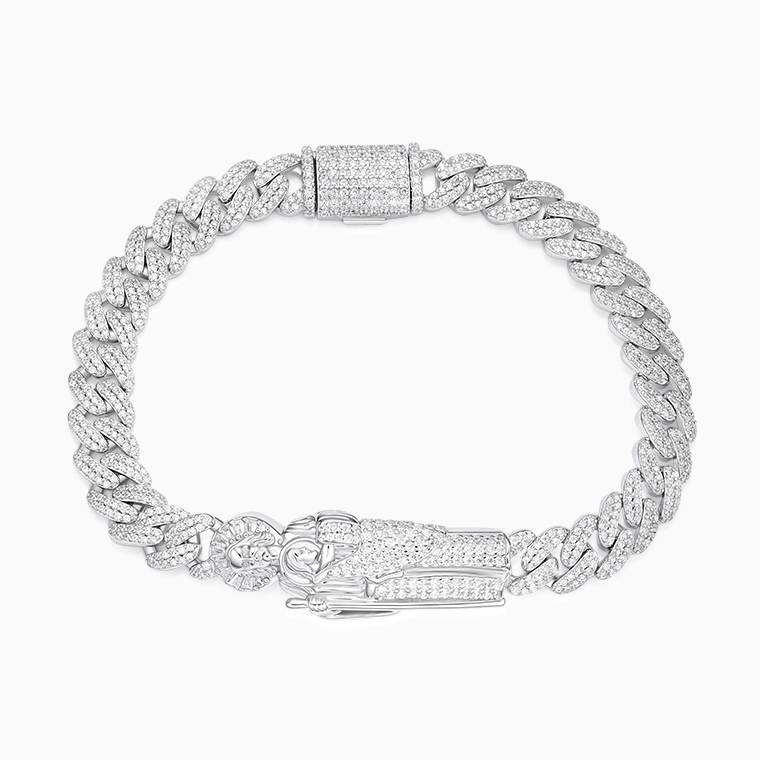
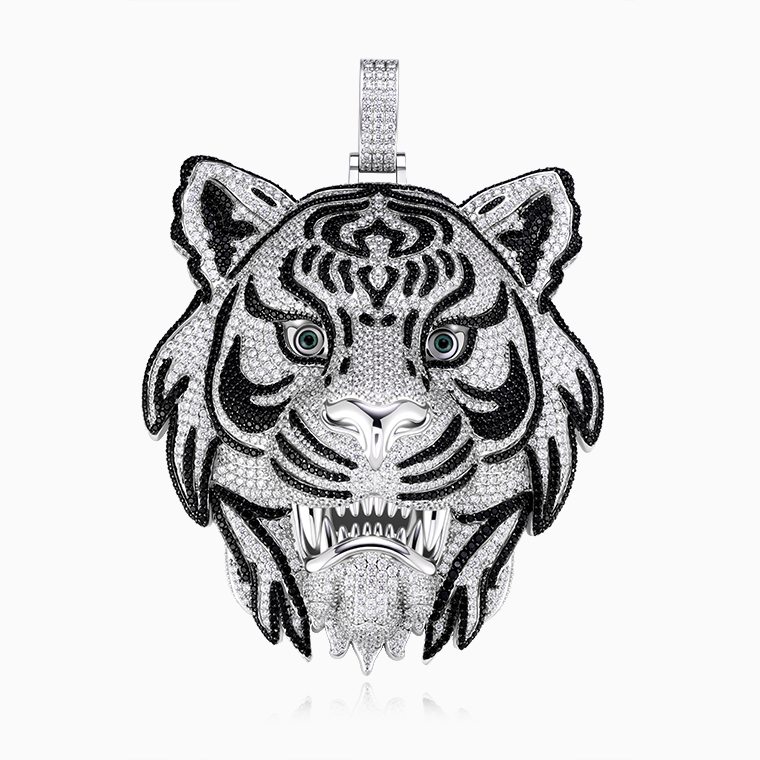

The product photograph is usually the easiest part of a jewelry purchase to agree on. A buyer likes the shape of a pendant, the stone arrangement on a ring, or the proportions of a Cuban bracelet. The harder questions come afterward. What exactly is included in the price? Which versions are available? Will the next shipment match the first?
For an online store, those answers become part of the selling process. They determine what appears in the description, which photographs are needed, and whether the retailer can keep accepting orders when stock runs low.
Ready-made hip hop jewelry gives a seller an existing design to work with. It can reduce the development work involved in launching a collection. The purchasing work still requires attention.
A useful place to begin is the product page the store intends to publish. Before buying a pendant, try writing its description. Identify the metal, stones, dimensions, finish, and whether a chain is included. Any blank space in that description is a question for the supplier.
This exercise can reveal more than another hour of browsing a catalog.
A pendant may be pictured on a chain that is available separately. A ring may come in several sizes, with only some currently available. Similar-looking pieces may have different specifications. If the buyer cannot distinguish them in the order, the store will struggle to explain them to a customer.
Shining Star Jewelry’s catalog spans necklaces, pendants, rings, earrings, and bracelets. Its website also describes manufacturing in several metals and the use of different stone options. That range gives a retailer room to assemble a collection, provided the selected configuration is recorded for each item.
The first assortment needs some restraint. A store does not gain a clear identity simply by adding more designs.
Imagine a retailer building its offer around prominent pendants. The buying list might begin with a few distinct shapes, followed by chains that fit them and earrings that share the same visual direction. Each additional item should have a purpose. A bracelet that looks impressive in isolation may contribute little if it sits outside the store’s price range or styling.
This is a planning example, not a reported customer order. It illustrates a question worth asking before committing money: what will this product add to the collection?
There is also a difference between a design being available to order and a finished piece being available to ship. Buyers should establish which applies to each selected version. An existing design may still require production in a particular size or finish.
Send the supplier the product reference, selected specification, and required quantity. Ask for availability against that list. If some pieces are ready and others are pending, agree on how the order will be dispatched before scheduling the launch.

A supplier relationship has consequences beyond the first delivery. One of Shining Star’s published customer accounts concerns Aleksandra Lapshina, identified as a U.S. jewelry wholesaler and distributor. The company says her concerns included the handling of exclusive designs, conflicts involving retail customers, and delayed responses to quality problems.
According to the account, Shining Star introduced confidentiality arrangements, procedures for directing her customers’ inquiries back to her, and dedicated support for quality issues. This is the manufacturer’s account, rather than an independently verified interview. It concerns a custom-design relationship, not a documented ready-made stock purchase.
For a ready-made buyer, the relevant lesson is to discuss how the relationship will work when a problem arises. Who handles a discrepancy? What information is needed to investigate it? Does the proposed solution fit the retailer’s situation?
Buying an existing catalog design does not itself establish exclusivity. A seller whose business depends on an exclusive collection should raise that requirement separately.
The sample order is an opportunity to examine both the merchandise and the communication around it.
Take a pendant out of its packaging and try it with the chain intended for sale. Photograph the front, side, and reverse. Compare the measurements with the information received. These actions help the retailer decide whether the product is suitable and what customers will need to see.
If something is unclear, send a precise question. A photograph showing a chain fitting that cannot pass through the bail gives the supplier a concrete problem to address. A general complaint about “the wrong size” leaves more room for misunderstanding.
The sample can also expose gaps in the listing plan. A front photograph may show the design clearly while concealing its depth. A close-up of earrings may say little about their size on the ear. A clasp may deserve its own image if shoppers cannot understand the closure from the main view.
Shining Star can provide white-background product images and model images for e-commerce sellers. These serve different purposes: the white-background view presents the item clearly, while the model image helps communicate scale and styling. Agree on the required views and confirm that the photographed version matches the merchandise being ordered.
For a small store, that support can reduce the work required to prepare a listing. The retailer still needs to check what the image implies. If a pendant is pictured with a chain but sold alone, the description should make the contents of the purchase clear.
Keep the approved sample after the listing goes live. Label it with the supplier’s reference and the specification purchased. When the next shipment arrives, it provides a physical comparison that an old thumbnail cannot.
Reordering then becomes a specific discussion. The buyer can identify the previous item, confirm whether that version remains available, and ask when the required quantity can leave the supplier. If a substitution is proposed, it can be assessed before it reaches customers.
The first sales will also change the buying list. One design may draw attention without generating many purchases. Another may sell quietly and need replenishment sooner than expected. Leaving part of the budget uncommitted gives the retailer room to respond.
For a store sourcing from Shining Star Jewelry, the most productive inquiry therefore starts with a short selection and clear questions. Request the specifications, availability, sample arrangements, and photography options for those particular products. Review the answers against the listings the store plans to publish.
By launch day, the seller should be able to pick up each item and explain exactly what the customer will receive. That preparation is what turns a catalog selection into merchandise ready for sale.