






That makes choosing a manufacturer one of the most important decisions behind an online jewelry business. A suitable supplier must do more than produce attractive samples. It needs to support product development, consistent bulk production, e-commerce content and reliable replenishment.
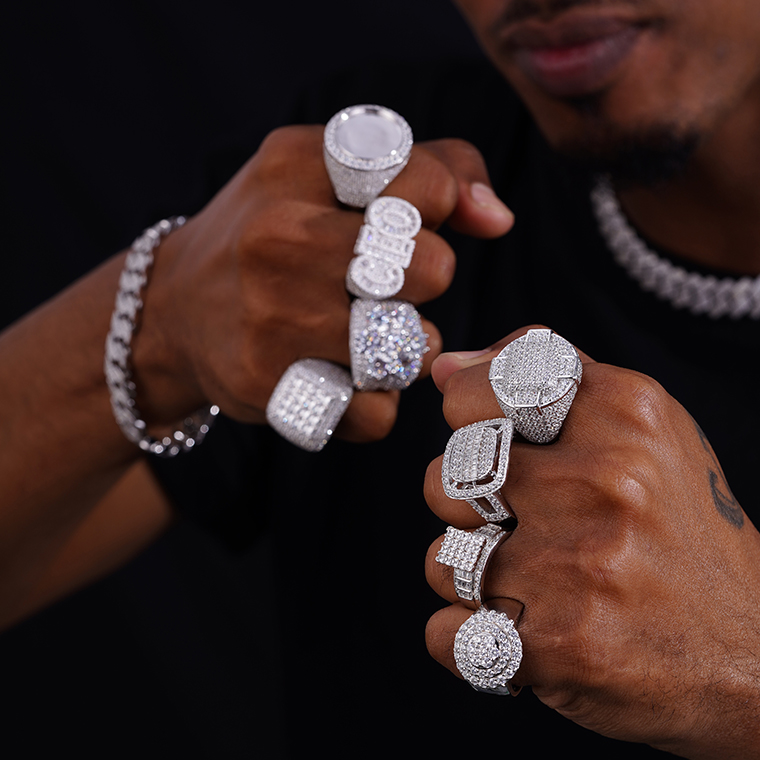
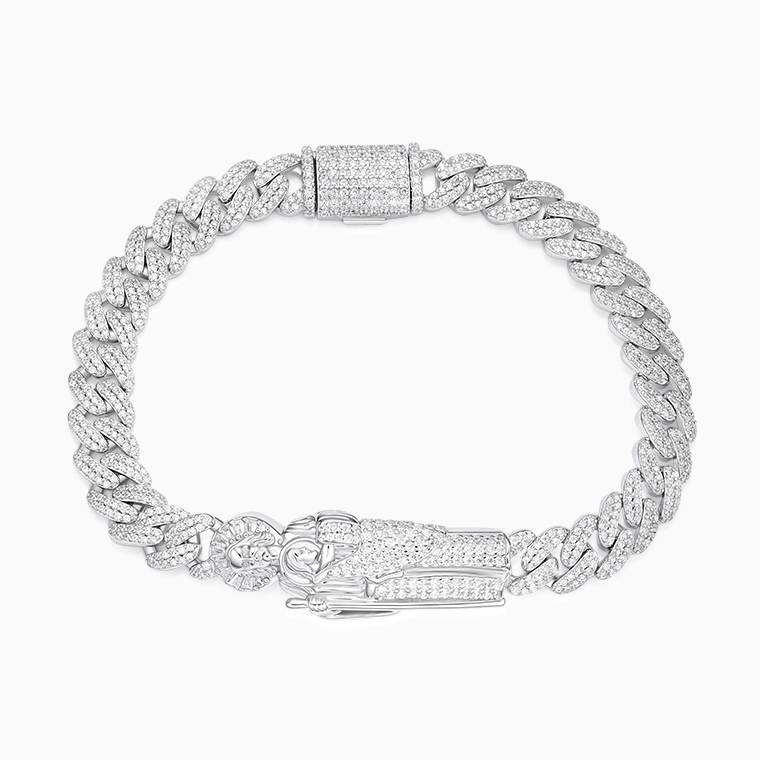
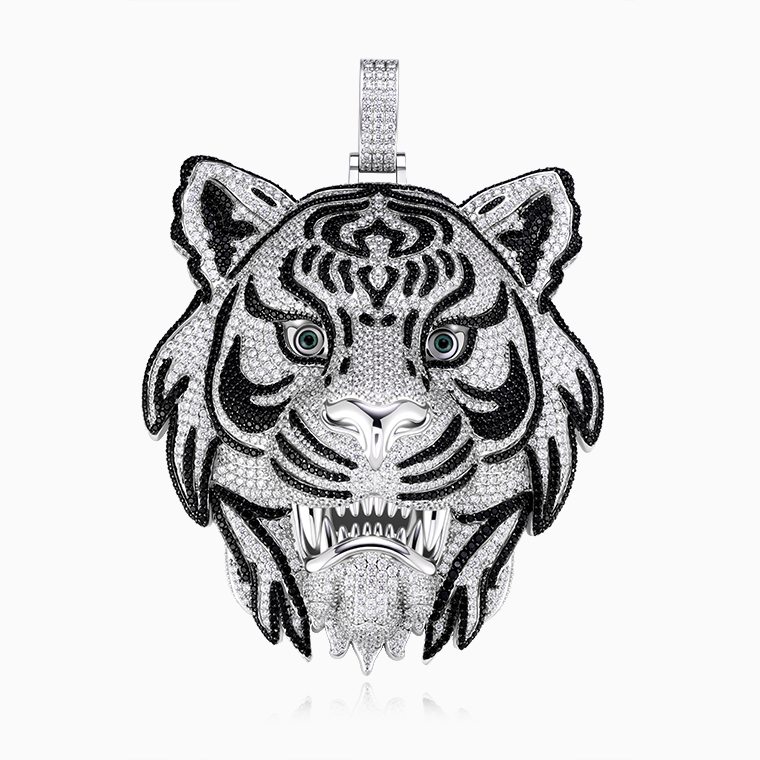
For brands working with iced-out pendants, Cuban chains, tennis chains, rings and earrings, Shining Star Jewelry is one manufacturer worth evaluating. The Guangzhou-based company combines wholesale selection with OEM and ODM manufacturing for overseas retailers, wholesalers and private-label brands.
A Shopify Brand Needs Products It Can Own
Many online jewelry stores begin with catalog products. This allows a new seller to enter the market without developing every design from the ground up. The weakness appears when several stores begin selling the same chain or pendant with identical photographs.
A more sustainable collection usually combines existing products with customized elements. A brand might select proven chain structures, then develop its own pendant, clasp, logo tag, plating color or packaging. Over time, these details create a recognizable product line rather than another collection assembled from public supplier listings.
Shining Star supports both approaches. Its website provides a broad selection of hip hop and fashion jewelry, while its design team can develop products from a logo, sketch, reference image, specification or physical sample. The company works with ZBrush, JewelCAD, Rhino and Matrix and can provide CAD, STL and 3DM design files.
This matters because custom jewelry cannot be managed through reference images alone. Before production, a manufacturer must decide how thick a pendant should be, where stones will be placed, how the back will be constructed and whether the bail will fit the intended chain. For Cuban and tennis chains, the factory must also consider flexibility, clasp security and alignment across moving links.
Shining Star uses CAD review and in-house 3D wax printing to move those decisions into the development stage. This gives a Shopify brand an opportunity to approve proportions and construction before the design proceeds to casting and setting. Keeping wax printing inside the factory also reduces the need to send exclusive design files to an outside supplier.
The Sample Must Become a Repeatable Product
A successful Shopify product can move from a few daily orders to a sudden need for replenishment. At that point, the approved sample is no longer just a presentation piece; it becomes the production standard.
Problems often emerge when a second batch has a different gold tone, lighter construction, uneven stone rows or a weaker clasp. These variations may appear minor at the factory but become highly visible in customer reviews, product photography and return requests.
Shining Star operates an approximately 1,850-square-meter facility with design, molding, stone-setting, polishing, inspection and packaging functions. Its internal management system follows designs and orders through development, production and shipment, including design responsibility, approval status and mold progress.
The company’s quality-control equipment includes a material-composition analyzer, stone-setting security tester, tensile tester, salt-spray corrosion chamber and plating-thickness instrument. For 925 sterling silver products, company materials describe testing before production, random checks after casting and optional third-party finished-product testing when requested.
These controls are relevant to online brands because customers judge the finished item, not the factory process. Material testing supports accurate product descriptions. Stone-security testing addresses loose-stone risk. Plating measurements help a manufacturer compare agreed specifications with production results. Order records make it easier to investigate a variation rather than treating every complaint as an isolated event.
Product Content Is Part of the Supply Chain
In physical retail, a customer can hold a chain and inspect the finish. On Shopify, photography, video and written specifications must do that work.
A manufacturer serving e-commerce brands should therefore understand content requirements as well as production requirements. A useful product package may include clean white-background photographs, close-ups, dimensions, material details, stone information and packaging images. The Shopify merchant should confirm image resolution, available formats and usage rights before publication.
Shining Star states that it can provide product photography and professionally retouched images to wholesalers, retailers and e-commerce customers. This can help a new store prepare listings more efficiently. Established brands may still want exclusive photography, custom packaging and original descriptions so their storefront does not look identical to other sellers using the same base product.
The supplier’s role is not to build the brand’s marketing strategy. It is to provide accurate product information and production assets that allow the retailer to make credible claims.
Wholesale Readiness Means Planning for Reorders
The lowest quotation is rarely the lowest total cost. A delayed launch, failed sample, inconsistent reorder or avoidable return can erase the apparent saving in unit price.
Before choosing a manufacturer, a Shopify brand should confirm how quotations are calculated, what the MOQ covers, which sample costs apply, how long approved CAD files and molds are retained, and how quality standards are recorded for later batches. Packaging requirements, image rights, shipping terms and the process for handling defective goods should also be agreed in writing.
Shining Star’s products have been supplied to customers across more than 110 countries and regions, with North America and Europe among its main markets. That experience can be useful for brands managing cross-border communication and international deliveries. However, shipping time, duties and available logistics services still depend on the destination and order, so these points should be confirmed for each project rather than assumed.
Choosing a Manufacturer for Long-Term Growth
A Shopify hip hop brand may begin with a small collection, but its manufacturer should be capable of supporting the next stage: a custom pendant, a private-label package, a new plating option or a repeat order based on real sales data.
Shining Star Jewelry is a relevant candidate because its model connects product selection, CAD development, wax printing, manufacturing, inspection and e-commerce product support. Its value is not limited to the number of available designs. The more important capability is turning a selected or custom concept into a product that can be approved, documented and reproduced.
No supplier should be chosen from a website description alone. A serious buyer should request current samples, verify relevant certificates, review material and plating specifications, and obtain written confirmation of price, MOQ, sample arrangements, production time and after-sales terms.
For a Shopify jewelry business, the right manufacturer is ultimately the one that helps the brand keep its promises. The product must match the listing, the reorder must match the sample, and the supply chain must remain dependable after the first launch is over.
Shining Star Jewelry supports wholesale and custom hip hop jewelry projects for online sellers and private-label brands. Buyers can submit product requirements, sketches, logos or reference images for design evaluation and quotation through the [Shining Star Jewelry website](https://www.ssfjewelry.com/).